

 SkillClick
Smart Energy Management Systems: Optimizing Energy for Efficiency and Reliability
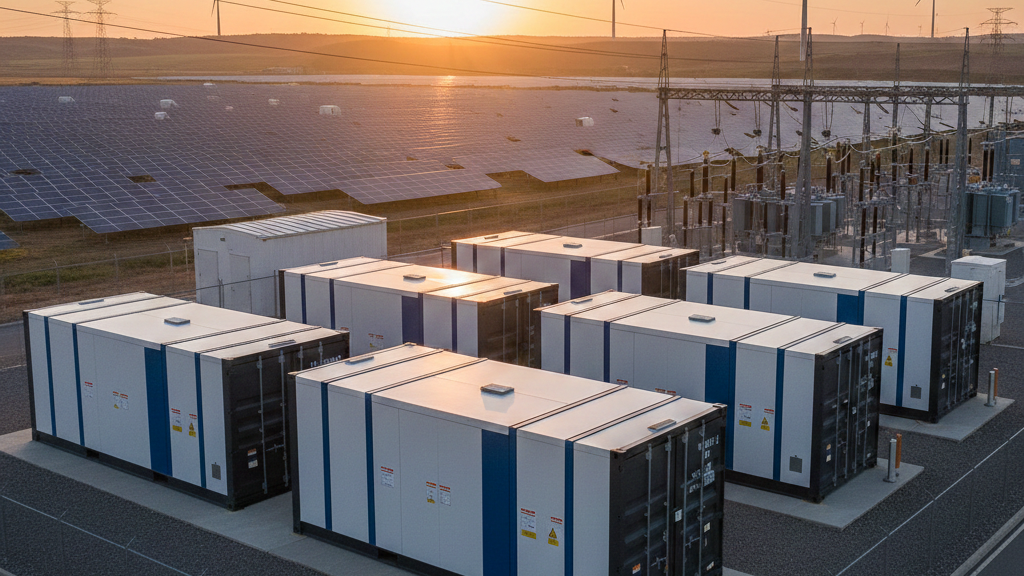
As energy demand rises and renewable integration becomes a necessity, utilities and businesses are turning to Smart Energy Management Systems (SEMS) to optimize power usage, improve efficiency, and reduce costs. These systems use advanced hardware, software, and analytics to monitor, control, and automate energy consumption across grids, industrial facilities, and commercial operations.
This article explores what smart energy management systems are, how they work, their technologies, benefits, applications, and future trends in energy optimization.
What Are Smart Energy Management Systems?
Smart energy management systems are integrated platforms that monitor, analyze, and control energy generation, storage, and consumption. SEMS combines sensors, smart meters, communication networks, and intelligent software to optimize energy use in real time.
These systems are essential for:
Enhancing operational efficiency
Integrating renewable energy sources
Reducing peak energy costs
Maintaining reliable power supply across critical infrastructure
By providing actionable insights, SEMS empowers utilities, businesses, and energy managers to make informed decisions about energy usage, storage, and distribution.
How Smart Energy Management Systems Work
SEMS functions through a combination of hardware and software:
Data Acquisition
Smart meters, sensors, and IoT devices collect real-time energy data from equipment, grid nodes, and storage systems.
Data Analysis
Advanced algorithms analyze patterns in energy generation and consumption.
Detect inefficiencies, identify peak load periods, and forecast energy demand.
Automated Control
SEMS can automatically adjust energy consumption, storage discharge, or renewable energy utilization to optimize efficiency.
Provides demand response capabilities, reducing reliance on expensive peak power.
Integration with Energy Storage
Works in tandem with systems like Grid-Scale Battery Energy Storage, Telecom Backup Power Modules, and Modular Long-Duration Storage Systems.
Ensures optimal use of stored energy for cost savings and grid reliability.
Reporting and Monitoring
Dashboards provide insights into energy efficiency, cost savings, and carbon footprint.
Alerts notify operators of anomalies, enabling proactive maintenance and optimization.
Key Technologies in Smart Energy Management Systems
1. Advanced Sensors and IoT Devices
Monitor energy consumption at granular levels.
Enable real-time data acquisition for accurate decision-making.
2. Artificial Intelligence (AI) and Machine Learning (ML)
Predict demand, optimize energy allocation, and detect system inefficiencies.
Support predictive maintenance for energy storage and distribution systems.
3. Energy Storage Integration
SEMS coordinates with batteries and other storage solutions for peak shaving, load leveling, and emergency backup.
4. Automated Demand Response Systems
Automatically adjusts energy usage in response to utility signals or peak demand pricing.
5. Cloud-Based Platforms
Provide centralized monitoring and control across multiple sites or grids.
Enable remote access and scalability.
Benefits of Smart Energy Management Systems
1. Cost Reduction
Optimizes energy usage, reducing peak energy costs and unnecessary consumption.
Minimizes reliance on expensive backup generation.
2. Increased Operational Efficiency
Provides real-time visibility into energy performance across assets.
Supports proactive decision-making and preventive maintenance.
3. Enhanced Reliability
Ensures continuous power delivery for critical infrastructure.
Integrates with UPS systems and long-duration storage to prevent downtime.
4. Renewable Energy Integration
Balances intermittent renewable energy sources such as solar and wind.
Maximizes use of stored or generated energy while reducing curtailment.
5. Sustainability and Carbon Reduction
Reduces energy waste and lowers greenhouse gas emissions.
Supports corporate sustainability goals and compliance with energy regulations.
6. Scalability and Flexibility
Modular design enables integration with multiple facilities, grids, or microgrids.
Adapts to changing energy demands and evolving technology.
Applications of Smart Energy Management Systems
SEMS is versatile and can be deployed across numerous sectors:
Utility Grids
Balances supply and demand, optimizes renewable energy integration, and reduces peak load costs.
Industrial Facilities
Monitors equipment energy use, reduces waste, and improves overall operational efficiency.
Commercial Buildings
Manages HVAC, lighting, and other energy-intensive systems to reduce energy bills.
Data Centers
Ensures optimal energy use, reduces cooling costs, and integrates battery storage for backup power.
Microgrids and Remote Sites
Controls generation, storage, and load distribution for off-grid or islanded systems.
Smart Cities
Optimizes street lighting, public buildings, and electric vehicle charging infrastructure for energy efficiency.
Best Practices for Implementing SEMS
Assess Energy Requirements
Conduct energy audits to understand consumption patterns and peak demand areas.
Integrate With Storage and Backup Systems
Coordinate with grid-scale batteries, UPS modules, and modular long-duration storage for reliability.
Leverage Predictive Analytics
Use AI and machine learning to forecast demand and optimize energy flows.
Monitor Continuously
Real-time dashboards and alerts help operators detect anomalies and prevent inefficiencies.
Scalable Deployment
Implement modular systems that can expand as energy needs grow.
Optimize Renewable Integration
Use SEMS to maximize utilization of solar, wind, or other renewable resources.
Future Trends in Smart Energy Management Systems
1. AI-Powered Energy Optimization
Advanced algorithms will provide predictive energy management and automated decision-making.
2. Integration With Distributed Energy Resources (DERs)
SEMS will coordinate energy from solar panels, batteries, electric vehicles, and other decentralized sources.
3. Blockchain for Energy Trading
Peer-to-peer energy transactions will allow SEMS to optimize energy usage across multiple operators.
4. Long-Duration Storage Integration
Combining modular long-duration batteries with SEMS will provide reliable energy even during extended outages.
5. Sustainability Metrics and Reporting
SEMS will track carbon reduction, efficiency improvements, and regulatory compliance for enterprises and utilities.
Conclusion
Smart Energy Management Systems are revolutionizing how electricity is monitored, controlled, and optimized across industrial, commercial, and utility sectors. By integrating advanced analytics, renewable energy, and energy storage solutions, SEMS ensures reliable power delivery, reduces operational costs, and supports sustainability goals.
As energy systems become increasingly complex, SEMS provides the intelligence needed to manage distributed generation, optimize battery storage, and maintain grid stability. For utilities, industries, and smart cities, investing in smart energy management is no longer a luxury—it is a necessity for achieving efficiency, reliability, and sustainability in the energy landscape.
- Managerial Effectiveness!
- Future and Predictions
- Motivatinal / Inspiring
- Fitness and Wellness
- Medical & Health
- Manufacturing
- Education
- Real-Estate
- Food Industry
- Hospitality
- Online Games
- Sports
- Home Services
- Civil Engineering
- Safety and Protection
- Software Products & Services
- Fashion and Jewellery
- Artificial Intelligence
- Entrepreneurship
- Mentoring & Guidance
- Marketing
- Networking
- HR & Recruiting
- Literature
- Shopping
- Career Management & Advancement