

 SkillClick
Granulated Living Carbon: Enhancing Soil Health and Crop Productivity
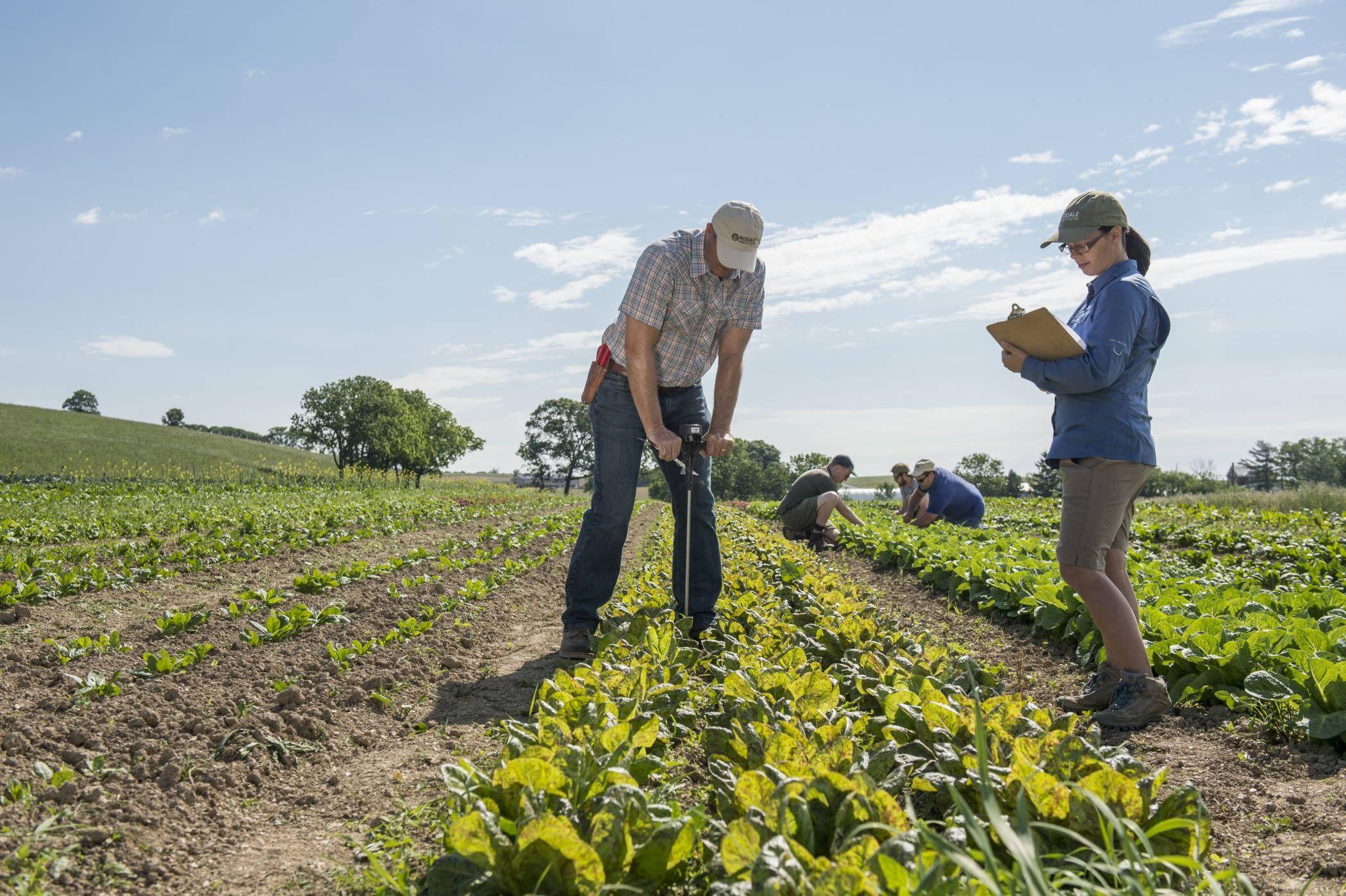
In modern agriculture, improving soil fertility and supporting microbial activity are essential for maximizing crop yields and sustainability. Granulated Living Carbon is a high-performance soil amendment designed to provide nutrients, stimulate beneficial microbes, and improve overall soil structure. Its granulated form makes it easy to handle, store, and apply, making it an ideal solution for farms, gardens, and large-scale agricultural operations.
This article explores the features, benefits, applications, and best practices for using Granulated Living Carbon to enhance soil health and farm productivity.
What Is Granulated Living Carbon?
Granulated Living Carbon is a concentrated, dry form of organic soil amendment derived from composted biomass enriched with beneficial microbes and carbon compounds. Unlike liquid soil amendments, the granulated form provides a slow-release nutrient source, improving soil fertility over time while encouraging microbial diversity and activity.
It combines carbon-rich materials with living microorganisms to create a fertile environment for plant growth. Its granular nature ensures even distribution, minimal dust, and longer shelf life compared to liquid alternatives.
Key Features of Granulated Living Carbon
High Carbon Content – Supports soil microbial activity and improves organic matter levels.
Slow-Release Nutrients – Provides essential nutrients gradually, reducing leaching and improving efficiency.
Enhanced Microbial Activity – Introduces beneficial microbes that promote nutrient cycling and plant health.
Granulated Form – Easy to apply with standard spreaders or by hand, suitable for large fields or smaller plots.
Long Shelf Life – Maintains effectiveness over time without requiring special storage conditions.
Benefits of Using Granulated Living Carbon
Improves Soil Fertility
Granulated Living Carbon enhances nutrient availability and supports balanced soil chemistry, leading to healthier plants.
Stimulates Microbial Communities
The added microbes accelerate decomposition of organic matter, nutrient cycling, and disease suppression.
Enhances Soil Structure
Regular use improves soil aggregation, aeration, and water retention, reducing compaction and runoff.
Supports Sustainable Agriculture
By reducing the need for chemical fertilizers and improving soil resilience, it aligns with regenerative farming practices.
Increases Crop Yields
Healthier soils with active microbial populations lead to improved nutrient uptake and stronger, more productive plants.
Applications of Granulated Living Carbon
Granulated Living Carbon can be applied in a variety of agricultural and horticultural settings:
Row Crops – Corn, wheat, soy, and other staple crops benefit from improved nutrient availability and microbial activity.
Vegetable Gardens – Enhances soil structure and fertility for higher-quality produce.
Orchards and Vineyards – Supports long-term soil health and nutrient management.
Pastures and Livestock Operations – Improves forage quality and pasture soil fertility.
Rehabilitation Projects – Restores degraded soils and promotes ecological balance.
Application rates depend on soil type, crop requirements, and existing organic matter levels. Soil testing is recommended to determine optimal usage.
Best Practices for Application
Soil Testing First – Determine nutrient levels, pH, and organic matter content to guide application rates.
Even Distribution – Apply granules evenly using a spreader or hand broadcasting for consistent results.
Incorporate Into Soil – Lightly till or water after application to integrate granules and activate microbial populations.
Complement with Other Amendments – Combine with compost, liquid Living Carbon, or biochar for synergistic benefits.
Monitor Soil Health – Track improvements in soil structure, fertility, and microbial activity over time.
Integrating Granulated Living Carbon Into Soil Health Programs
Granulated Living Carbon works best as part of a broader soil health management program:
Use alongside cover cropping to improve organic matter and soil biodiversity.
Apply with biochar to enhance carbon sequestration and nutrient retention.
Combine with liquid amendments for immediate microbial stimulation and nutrient delivery.
Integrate into soil health consulting programs for tailored recommendations based on soil testing results.
This integrated approach ensures maximum benefits for soil fertility, plant health, and long-term productivity.
Environmental and Sustainability Benefits
Reduces reliance on synthetic fertilizers, decreasing runoff and water contamination.
Promotes regenerative soil practices that restore degraded land.
Enhances carbon storage in soils, contributing to climate change mitigation.
Supports biodiversity in soil microbial communities, improving ecosystem resilience.
Conclusion
Granulated Living Carbon is a versatile and effective soil amendment that enhances soil fertility, microbial activity, and crop productivity. Its slow-release nutrient profile, ease of application, and long-term benefits make it ideal for a wide range of agricultural and horticultural applications.
When integrated into a comprehensive soil health program—including compost, biochar, cover cropping, and professional soil consulting—Granulated Living Carbon helps farmers and land managers build resilient, productive soils for sustainable and profitable operations.
- Managerial Effectiveness!
- Future and Predictions
- Motivatinal / Inspiring
- Fitness and Wellness
- Medical & Health
- Manufacturing
- Education
- Real-Estate
- Food Industry
- Hospitality
- Online Games
- Sports
- Home Services
- Civil Engineering
- Safety and Protection
- Software Products & Services
- Fashion and Jewellery
- Artificial Intelligence
- Entrepreneurship
- Mentoring & Guidance
- Marketing
- Networking
- HR & Recruiting
- Literature
- Shopping
- Career Management & Advancement