

 SkillClick
Pet Food Market Analysis: Humanization and Health-Conscious Pet Owners
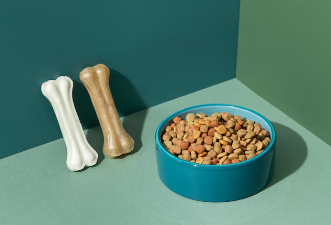
The pet food market has undergone a remarkable transformation over the past decade. Once dominated by basic, functional products aimed at feeding pets, today it is a diverse, innovation-driven industry shaped by changing consumer preferences, urbanization, and the growing recognition of pets as family members. This article explores the current scenario of the pet food market, examining trends, market drivers, challenges, and future opportunities.
Rising Pet Ownership and Humanization of Pets
A key driver of the pet food market is the increasing rate of pet ownership worldwide. Urban lifestyles, nuclear families, and rising disposable incomes have led to a surge in pet adoption, particularly among millennials and Gen Z. Pets are no longer viewed merely as companions; they are increasingly considered part of the family.
This “humanization” of pets has influenced buying behavior, with owners seeking high-quality, nutritionally balanced, and premium food options. Ingredients that were once reserved for human consumption—such as organic grains, superfoods, and lean proteins—are now commonly featured in pet diets.
Shifting Consumer Preferences Toward Health and Wellness
Modern pet owners are highly conscious of health and wellness, not just for themselves but for their pets as well. The demand for functional pet food, which addresses specific health concerns like joint health, digestive support, skin care, and weight management, has grown significantly.
Additionally, consumers increasingly favor natural, organic, and non-GMO ingredients. The focus on transparency and sustainability has prompted brands to disclose ingredient sources, production processes, and nutritional benefits, aligning with the larger wellness trend observed in human food markets.
Innovation in Product Formats and Flavors
Pet food manufacturers are innovating to meet diverse consumer demands. Traditional dry kibble is now complemented by wet food, semi-moist formulations, freeze-dried products, and meal toppers. Pet owners also expect variety in flavors and textures, which has encouraged experimentation with exotic proteins like duck, venison, and fish varieties.
Functional treats, supplements, and specialty diets targeting age-specific or breed-specific needs are also gaining traction. The focus on convenience, especially among urban pet owners, has led to ready-to-serve meal packs and subscription-based delivery services that provide fresh or frozen meals directly to consumers.
E-Commerce and Digital Influence
The growth of e-commerce has had a profound impact on the pet food market. Online platforms allow consumers to compare products, access detailed ingredient information, and subscribe to recurring deliveries. Social media and influencer marketing further shape consumer perceptions, making brand storytelling and online engagement crucial for market players.
Direct-to-consumer (DTC) brands are emerging as significant competitors, leveraging personalized recommendations, nutrition plans, and AI-driven diet tracking tools for pets. This shift has intensified competition and encouraged traditional manufacturers to invest in digital marketing and online sales infrastructure.
Regional Market Dynamics
The pet food market varies significantly across regions. North America remains a dominant player, driven by high pet adoption rates, premiumization, and disposable income. Europe follows closely, with an emphasis on organic and natural ingredients, and stringent regulations on pet food safety.
In the Asia-Pacific region, pet ownership is rising rapidly, fueled by urbanization, increasing income levels, and changing cultural attitudes toward pets. Countries like China, India, and Japan are witnessing strong growth, with demand for both premium and functional pet foods on the rise. Latin America and the Middle East are emerging markets, presenting opportunities for global and regional players to expand their footprint.
Market Challenges
Despite strong growth, the pet food industry faces challenges. Supply chain disruptions, rising raw material costs, and regulatory compliance issues can affect product availability and pricing. The rising popularity of plant-based or alternative protein diets also presents formulation challenges, as pets have specific nutritional requirements that must be carefully balanced.
Additionally, counterfeiting and low-quality products can erode consumer trust, emphasizing the importance of brand reputation, quality assurance, and traceability. Companies must also navigate cultural differences and consumer expectations when entering new markets, requiring tailored marketing and product strategies.
Sustainability and Environmental Concerns
Sustainability is becoming a critical focus in the pet food market. Brands are exploring environmentally friendly packaging, responsibly sourced ingredients, and reduced carbon footprints. Some manufacturers are experimenting with insect-based proteins, lab-grown meat, and byproducts from human food industries to create sustainable alternatives without compromising nutritional value.
Consumers increasingly expect companies to demonstrate corporate responsibility, creating pressure to adopt transparent, eco-conscious practices. This trend is not just ethical but also commercial, as environmentally aware pet owners are willing to pay a premium for sustainable products.
Future Outlook and Opportunities
The pet food market is poised for continued growth. Industry analysts project rising adoption of premium, functional, and personalized diets, alongside a growing shift toward e-commerce and subscription services. Advances in pet nutrition science, data-driven personalization, and innovative product formats will further shape the market.
Emerging technologies, such as AI-based nutrition planning, 3D-printed pet foods, and smart feeding devices, are likely to redefine convenience and health management for pet owners. Companies that can combine quality, innovation, and sustainability are expected to capture significant market share.
Conclusion
The pet food market is evolving rapidly, driven by demographic changes, lifestyle shifts, and a growing emphasis on health and wellness. Pet owners are demanding high-quality, functional, and sustainable food options that reflect their own dietary values. For manufacturers, this represents both an opportunity and a challenge: to innovate while maintaining safety, quality, and transparency.
As the market continues to expand globally, companies that can understand regional nuances, leverage digital engagement, and respond to evolving consumer expectations are likely to thrive. In a world where pets are increasingly seen as family, the pet food market is not just about feeding animals—it is about enhancing their quality of life, health, and happiness.
- Managerial Effectiveness!
- Future and Predictions
- Motivatinal / Inspiring
- Fitness and Wellness
- Medical & Health
- Manufacturing
- Education
- Real-Estate
- Food Industry
- Hospitality
- Online Games
- Sports
- Home Services
- Civil Engineering
- Safety and Protection
- Software Products & Services
- Fashion and Jewellery
- Artificial Intelligence
- Entrepreneurship
- Mentoring & Guidance
- Marketing
- Networking
- HR & Recruiting
- Literature
- Shopping
- Career Management & Advancement