

 SkillClick
Software Testing Basics and the Role of Modern Testing Tools
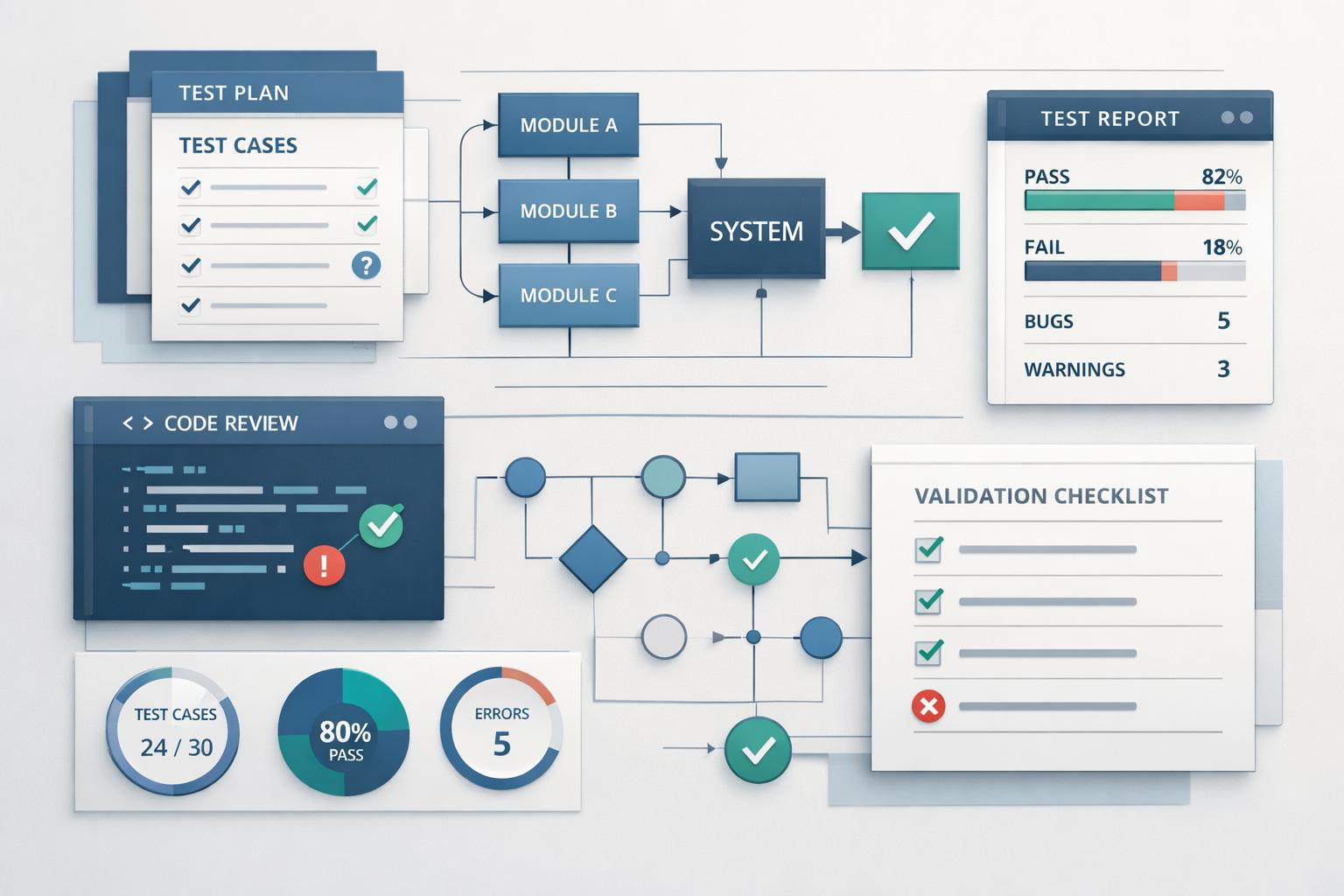
In today’s fast-paced development landscape, delivering high-quality software is more challenging than ever. Applications are becoming more complex, release cycles are shorter, and user expectations are higher. This makes understanding software testing basics not just important, but essential for every development and QA team.
At the same time, modern testing tools have transformed how testing is performed. They help teams move faster, automate repetitive tasks, and improve accuracy. When combined with strong software testing basics, these tools enable teams to build reliable, scalable, and user-focused applications.
This article explores the core concepts of software testing basics and how modern testing tools enhance the overall testing process.
What Are Software Testing Basics?
Software testing basics refer to the fundamental principles, techniques, and processes used to verify and validate software applications.
The primary goals of testing include:
-
Ensuring the application works as expected
-
Identifying defects early
-
Improving performance and usability
-
Delivering a seamless user experience
These fundamentals form the foundation of all testing activities, regardless of the tools or technologies used.
Why Software Testing Basics Still Matter
With the rise of automation and advanced tools, some teams assume that tools alone can guarantee quality. However, without a solid understanding of software testing basics, even the best tools can be misused.
Key reasons why fundamentals still matter:
-
Tools rely on well-defined test cases
-
Poor test design leads to ineffective automation
-
Understanding testing principles helps in selecting the right tools
-
Strong fundamentals improve debugging and problem-solving
In short, tools enhance testing, but fundamentals drive it.
Core Concepts in Software Testing Basics
To effectively use modern tools, teams must first understand the core concepts of software testing basics.
1. Test Cases and Test Scenarios
A test case defines specific steps, inputs, and expected results. A test scenario represents a broader functionality.
Clear test cases are essential for both manual and automated testing.
2. Test Levels
Testing is performed at different levels:
-
Unit testing: Individual components
-
Integration testing: Interaction between modules
-
System testing: Entire application
-
Acceptance testing: User validation
Each level ensures quality at different stages of development.
3. Defect Lifecycle
Defects go through stages such as:
-
Identification
-
Reporting
-
Fixing
-
Retesting
-
Closure
Understanding this lifecycle helps teams manage issues efficiently.
4. Regression Testing
Regression testing ensures that new changes do not break existing functionality.
It is a critical part of maintaining stability, especially in Agile and DevOps environments.
Evolution of Testing: From Manual to Modern Tools
Traditionally, testing was performed manually. While manual testing is still important, it has limitations:
-
Time-consuming
-
Prone to human error
-
Difficult to scale
Modern testing tools address these challenges by introducing automation, speed, and consistency.
Today’s testing landscape includes:
-
Automated testing frameworks
-
API testing tools
-
Performance testing tools
-
Continuous testing platforms
These tools help teams keep up with rapid development cycles.
Role of Modern Testing Tools
Modern testing tools play a crucial role in enhancing software testing basics by improving efficiency and accuracy.
1. Automation of Repetitive Tasks
Automation tools reduce the need for manual execution of repetitive test cases, especially in regression testing.
2. Faster Feedback
Tools integrated with CI/CD pipelines provide immediate feedback on code changes, helping teams identify issues early.
3. Improved Test Coverage
Automation allows teams to run more tests in less time, increasing overall coverage.
4. Better Accuracy
Automated tests eliminate human errors and ensure consistent results.
5. Scalability
Modern tools enable testing across multiple environments, devices, and configurations.
Types of Modern Testing Tools
Different tools serve different testing needs.
1. Unit Testing Tools
Used by developers to test individual components.
2. API Testing Tools
Validate backend services and data exchange.
3. UI Testing Tools
Test user interfaces and user interactions.
4. Performance Testing Tools
Evaluate system performance under load.
5. Test Management Tools
Help organize, track, and report testing activities.
Choosing the right tools depends on project requirements and team expertise.
Integrating Testing Tools into the Workflow
To maximize the benefits of modern tools, they must be integrated into the development process.
Continuous Integration and Continuous Testing
-
Run automated tests on every code commit
-
Identify issues early
-
Ensure consistent quality
Collaboration Across Teams
Tools enable better collaboration between developers, testers, and stakeholders by providing shared visibility into test results.
Test Automation Strategy
A well-defined strategy ensures that:
-
Critical tests are automated
-
Manual testing is used where needed
-
Test maintenance is manageable
Challenges with Modern Testing Tools
Despite their advantages, modern tools come with challenges:
-
Initial setup and configuration complexity
-
Learning curve for teams
-
Maintenance of automated test scripts
-
Over-reliance on tools without understanding fundamentals
These challenges highlight the importance of combining tools with strong software testing basics.
Best Practices for Using Testing Tools Effectively
To get the most out of modern testing tools:
-
Start with clear test cases and scenarios
-
Automate only what adds value
-
Keep test scripts simple and maintainable
-
Regularly update and refactor tests
-
Combine manual and automated testing
Following these practices ensures that tools enhance rather than complicate the testing process.
Bridging the Gap Between Fundamentals and Tools
The real power of testing lies in combining strong fundamentals with the right tools.
For example, platforms like Keploy help capture real API interactions and convert them into test cases. This allows teams to apply software testing basics more effectively by aligning tests with real-world usage patterns, reducing manual effort while improving accuracy.
Such tools act as enablers, helping teams implement testing strategies more efficiently without replacing core testing principles.
The Future of Software Testing
The future of testing is shaped by:
-
AI-driven testing tools
-
Increased automation
-
Continuous testing in DevOps
-
Shift-left and shift-right testing approaches
While tools will continue to evolve, the importance of software testing basics will remain constant.
Teams that combine strong fundamentals with modern tools will be best positioned to deliver high-quality software.
Conclusion
Understanding software testing basics is the foundation of effective software quality assurance. From test cases and test levels to regression testing and defect management, these fundamentals guide every testing activity.
Modern testing tools enhance these basics by improving speed, accuracy, and scalability. However, tools alone are not enough. The key to successful testing lies in using them alongside a strong understanding of core principles.
By combining the fundamentals with the power of modern tools, teams can build reliable, high-performing software that meets both technical and user expectations.
- Managerial Effectiveness!
- Future and Predictions
- Motivatinal / Inspiring
- Fitness and Wellness
- Medical & Health
- Manufacturing
- Education
- Real-Estate
- Food Industry
- Hospitality
- Online Games
- Sports
- Home Services
- Civil Engineering
- Safety and Protection
- Software Products & Services
- Fashion and Jewellery
- Artificial Intelligence
- Entrepreneurship
- Mentoring & Guidance
- Marketing
- Networking
- HR & Recruiting
- Literature
- Shopping
- Career Management & Advancement