

 SkillClick
Kunli Aluminum TIG Wire Suppliers Protect Composition Through Storage and Packaging Practices
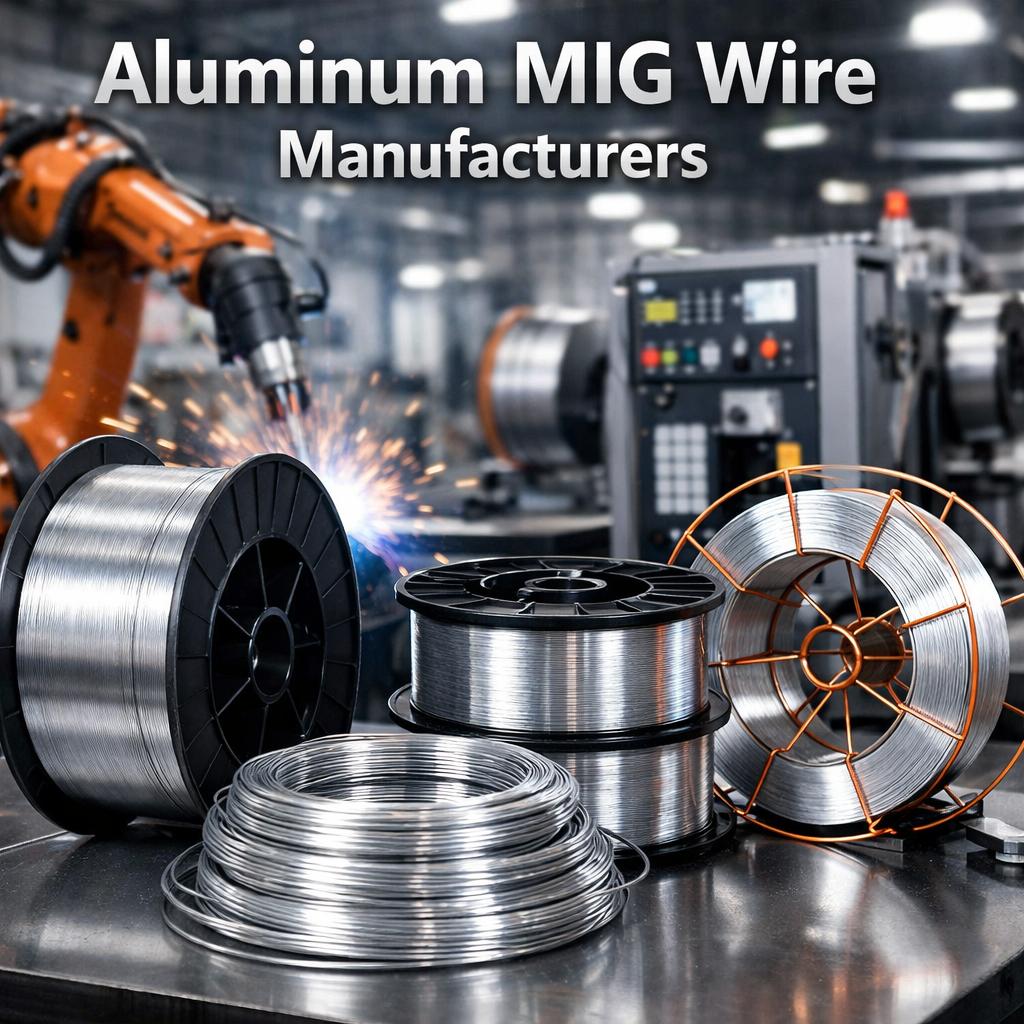
Aluminum TIG Wire Suppliers understand that consistent chemical composition in TIG filler wires plays a central role in achieving reliable weld performance across aluminum alloys. Variations in elements like silicon, magnesium, or other alloying additions can affect fluidity, crack resistance, and mechanical properties in the finished weld. Suppliers focus on multiple stages of production and quality assurance to maintain stability in these compositions, ensuring the wire behaves predictably during TIG welding processes.
The foundation begins with raw material selection. Manufacturers source high-purity aluminum ingots or billets that meet specific alloy standards, such as those for ER4043 or ER5356 fillers. Incoming materials undergo initial spectroscopic analysis, often using optical emission spectrometry (OES) or similar methods, to verify the base composition before processing. This step identifies any deviations early and prevents off-spec material from entering production lines.
During melting and alloying, precise control over furnace operations ensures the target chemistry. Alloying elements are added in measured quantities under controlled conditions to promote uniform distribution. Temperature monitoring and stirring techniques help avoid segregation, where heavier elements might concentrate in certain areas. Ingot casting follows with cooling rates managed to minimize internal variations that could carry through to the final wire.
Subsequent extrusion or rolling converts the cast material into rods or wire stock. These steps include homogenization treatments to diffuse alloying elements evenly throughout the microstructure. Heat treatment schedules are calibrated based on alloy type to achieve consistent grain structure and composition distribution.
The wire drawing process reduces diameter while preserving chemistry. Dies and lubricants are selected to prevent contamination or surface pickup that might alter local composition. Multiple drawing passes with intermediate annealing maintain material integrity and prevent work-hardening that could influence later performance.
Quality control integrates sampling at various points. Batch testing involves taking samples from multiple locations in a production run for chemical analysis. Techniques like inductively coupled plasma (ICP) spectroscopy or X-ray fluorescence provide detailed elemental breakdowns, confirming adherence to specification limits for major and trace elements. Limits for impurities such as iron or copper are strictly enforced since they impact corrosion resistance and weld quality.
Traceability systems track each batch from raw material to finished spool. Documentation records heat numbers, alloy additions, and test results, allowing correlation between composition data and welding outcomes if issues arise. Regular calibration of analytical equipment ensures measurement accuracy over time.
Storage and packaging practices also support composition stability. Wires are kept in controlled environments to avoid moisture absorption or oxidation that could introduce hydrogen-related defects during welding. Protective wrapping and separate containers for different alloys prevent cross-contamination.
These combined efforts allow suppliers to deliver TIG wires with repeatable chemical profiles, supporting consistent arc behavior, bead formation, and joint properties in applications ranging from thin sheet fabrication to thicker structural work. Welders benefit from fillers that match base metal requirements without unexpected variations in strength, ductility, or appearance.
Fabricators evaluating suppliers can consider how these processes align with their specific alloy needs and welding conditions. Reliable composition control contributes to reduced rework, better corrosion performance in service, and overall efficiency in aluminum TIG operations.To learn more about our approaches to maintaining chemical consistency in aluminum TIG wires, please visit https://www.kunliwelding.com/
- Managerial Effectiveness!
- Future and Predictions
- Motivatinal / Inspiring
- Fitness and Wellness
- Medical & Health
- Manufacturing
- Éducation
- Real-Estate
- Food Industry
- Hospitality
- Online Games
- Sports
- Home Services
- Civil Engineering
- Safety and Protection
- Software Products & Services
- Fashion and Jewellery
- Artificial Intelligence
- Entrepreneurship
- Mentoring & Guidance
- Marketing
- Networking
- HR & Recruiting
- Literature
- Shopping
- Career Management & Advancement