

 SkillClick
How Do You Stop Dough From Sticking to the Dough Hook?
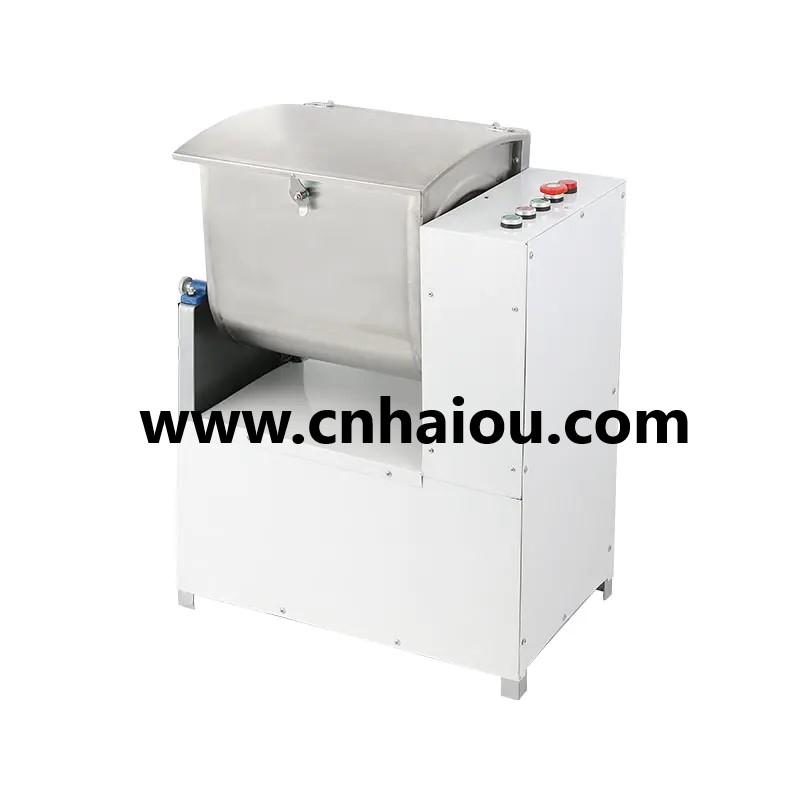
Sticky dough is one of the most common frustrations in home baking, and it tends to strike at the least convenient moment, midway through a batch when stopping to scrape down the bowl disrupts the entire kneading rhythm. Practical advice gathered from an Electric Dough Mixer Factory points to a consistent pattern: dough sticking problems are almost always preventable, and the solutions are rooted in understanding a handful of factors that most home cooks can manage without any special equipment or techniques.
Hydration is the starting point for almost every sticking issue. Dough that contains too much liquid relative to the flour will cling to the bowl walls, coat the dough hook, and resist forming the cohesive ball that signals a well developed mix. The temptation when a recipe is not coming together is to add more liquid, but in most cases the dough simply needs more time. Gluten development changes the texture of dough considerably as kneading continues. A dough that seems worryingly sticky at the five minute mark will often pull cleanly away from the bowl surfaces by the ten minute mark as the protein network strengthens and the dough becomes more structured. Patience before adding more flour or adjusting hydration is always the right first response.
When the dough genuinely is too wet rather than simply underdeveloped, adding flour gradually and in small amounts is the correct approach. Tipping in large quantities at once creates dry patches that take time to incorporate and can leave the finished dough uneven in texture. A tablespoon at a time, added while the machine is running at a low speed and allowed to fully absorb before the next addition, gives you precise control over the final hydration without overshooting.
The temperature of your ingredients also affects how much the dough sticks. Butter and fats that are too warm soften the dough considerably and increase its tendency to smear against the bowl rather than form a clean mass. When a recipe calls for butter, it should typically be at cool room temperature rather than soft or melted unless specifically stated otherwise. Similarly, dough mixed in a warm kitchen will soften faster than dough mixed in a cooler environment. In particularly warm conditions, chilling the mixing bowl briefly before use can help the dough maintain a firmer, more workable consistency throughout the kneading stage.
Flour type matters more than many cooks realise. Different flours absorb liquid at different rates, and a recipe developed with one type of flour may behave quite differently when a different variety is substituted. Strong bread flour absorbs more water than all purpose flour and produces a more structured dough that is generally less prone to sticking during machine kneading. If sticking is a persistent problem despite following a recipe carefully, considering whether the flour you are using matches what the recipe was developed with is a worthwhile step.
The dough hook itself requires attention. A hook that is not properly seated creates an uneven mixing motion that throws the dough against the bowl walls repeatedly rather than drawing it into a central mass. Confirming that the hook is locked in fully before starting the machine costs nothing and removes one variable from the sticking equation. After each session, cleaning the hook thoroughly and ensuring no dried dough remains from a previous use prevents old residue from creating rough patches that new dough clings to more readily.
Bowl coating is a minor but useful measure for particularly sticky recipes. A very light application of neutral oil wiped across the bowl interior before adding the ingredients gives the dough a slightly less adhesive surface to work against during the early mixing stage, when the ingredients are still being brought together and the gluten network has not yet formed.
An electric dough mixer handles the physical kneading work reliably when the dough going into it is properly prepared. Managing hydration, ingredient temperature, and flour choice before the machine starts reduces sticking before it becomes a problem worth solving mid session.
Home bakers who want a machine designed to handle varied doughs with consistent results can review a practical range of options at https://www.cnhaiou.com/product/ where models suited to regular home baking are available for consideration.
- Managerial Effectiveness!
- Future and Predictions
- Motivatinal / Inspiring
- Fitness and Wellness
- Medical & Health
- Manufacturing
- Education
- Real-Estate
- Food Industry
- Hospitality
- Online Games
- Sports
- Home Services
- Civil Engineering
- Safety and Protection
- Software Products & Services
- Fashion and Jewellery
- Artificial Intelligence
- Entrepreneurship
- Mentoring & Guidance
- Marketing
- Networking
- HR & Recruiting
- Literature
- Shopping
- Career Management & Advancement