

 SkillClick
How Does Pneumonia Affect Different Age Groups?
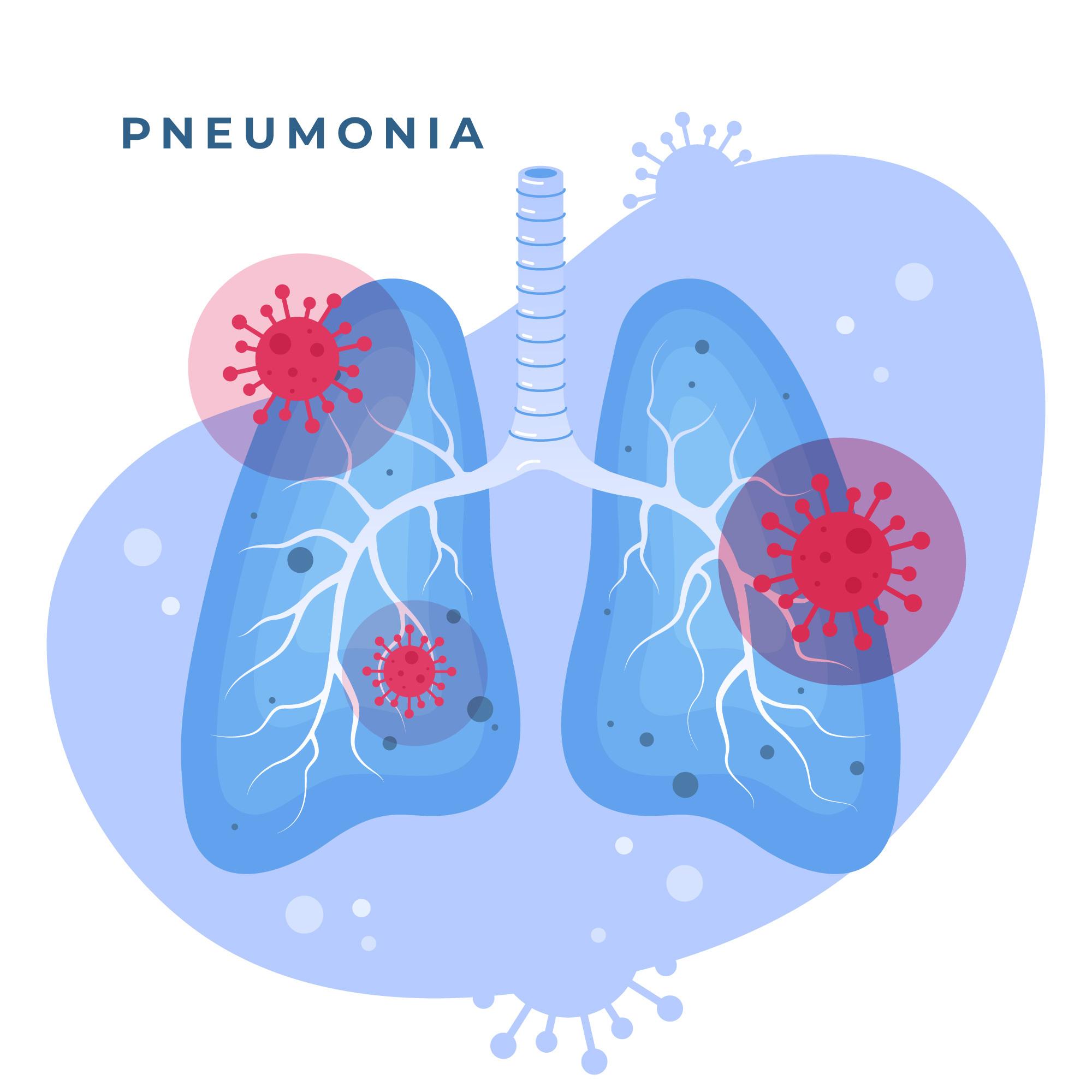
Pneumonia is a significant respiratory condition that affects people across all age groups, but its severity, causes, and outcomes vary considerably depending on age. Understanding how Pneumonia impacts infants, children, adults, and the elderly is essential for effective prevention and treatment. Additionally, antibiotics such as Ceftriaxone injection play a critical role in managing bacterial cases across these populations.
What is Pneumonia?
Pneumonia is an infection that inflames the air sacs (alveoli) in one or both lungs. These air sacs may fill with fluid or pus, leading to symptoms such as cough, fever, chills, and difficulty breathing. It can be caused by bacteria, viruses, or fungi, with bacterial pneumonia often being the most severe form.
Pneumonia in Infants (0-2 Years)
Infants are among the most vulnerable groups when it comes to pneumonia. Their immune systems are still developing, making it harder for their bodies to fight infections.
Key Characteristics:
-
Rapid breathing or difficulty breathing
-
Poor feeding and lethargy
-
Bluish discoloration of lips (in severe cases)
Causes:
Common pathogens include respiratory viruses and bacteria such as Streptococcus pneumoniae. Premature infants or those with low birth weight are at even higher risk.
Severity:
Pneumonia in infants can escalate quickly and may become life-threatening without prompt treatment. Hospitalization is often required.
Treatment:
In bacterial cases, antibiotics are administered. A commonly used option is Ceftriaxone injection, particularly in moderate to severe infections, due to its broad-spectrum activity and effectiveness.
Pneumonia in Children (3-12 Years)
Children generally have stronger immune systems than infants, but they are still susceptible, especially in crowded environments like schools.
Key Characteristics:
-
Persistent cough
-
Fever and chest pain
-
Fatigue and reduced activity
Causes:
Both viral and bacterial infections are common. Viral pneumonia tends to be milder, while bacterial pneumonia can be more serious.
Severity:
Most children recover fully with appropriate care. However, complications can occur, especially in children with asthma or malnutrition.
Treatment:
Mild cases may resolve with supportive care, but bacterial infections often require antibiotics. Ceftriaxone injection is sometimes prescribed in hospital settings when oral antibiotics are insufficient or the infection is severe.
Pneumonia in Adults (13-64 Years)
Healthy adults typically have robust immune systems, but lifestyle factors and underlying conditions can influence susceptibility and severity.
Key Characteristics:
-
Productive cough with phlegm
-
High fever and chills
-
Shortness of breath
-
Chest discomfort
Risk Factors:
-
Smoking
-
Chronic diseases (e.g., diabetes, COPD)
-
Weakened immune system
Severity:
While many adults recover without complications, pneumonia can still be serious, particularly if not treated early. “Walking pneumonia” (milder form) is also more common in this group.
Treatment:
Treatment depends on the cause. Bacterial pneumonia often requires antibiotics. In more severe or hospitalized cases, intravenous antibiotics such as Ceftriaxone injection are frequently used because of their rapid action and high efficacy against common pathogens.
Pneumonia in the Elderly (65 Years)
Older adults are at the highest risk of severe illness and mortality from pneumonia. Aging weakens the immune system and reduces lung function, making infections harder to combat.
Key Characteristics:
-
Confusion or altered mental state (sometimes the first symptom)
-
Low-grade fever or even normal temperature
-
Weakness and fatigue
-
Difficulty breathing
Risk Factors:
-
Chronic illnesses (heart disease, diabetes)
-
Reduced mobility
-
Weakened immunity
-
Hospital or nursing home exposure
Severity:
Pneumonia in the elderly is often severe and can lead to complications such as respiratory failure or sepsis. Mortality rates are significantly higher in this age group.
Treatment:
Hospitalization is frequently required. Broad-spectrum antibiotics, including Ceftriaxone injection, are commonly administered intravenously to ensure rapid therapeutic levels in the bloodstream.
Key Differences Across Age Groups
Role of Ceftriaxone Injection in Pneumonia Treatment
The ceftriaxone injection is a third-generation cephalosporin antibiotic widely used in the treatment of bacterial pneumonia. It is particularly valuable in moderate to severe cases across all age groups.
Why It’s Used:
-
Broad-spectrum coverage against common pneumonia-causing bacteria
-
Long half-life, allowing once-daily dosing
-
Effective in both community-acquired and hospital-acquired infections
Administration:
It is given intravenously or intramuscularly, making it ideal for hospitalized patients or those unable to take oral medications.
Safety:
Generally well tolerated, though dosage adjustments may be needed in certain populations, especially neonates and elderly patients with kidney or liver impairment.
Prevention Strategies Across Age Groups
Preventing pneumonia is as important as treating it. Strategies vary slightly depending on age but include:
Vaccination:
-
Pneumococcal vaccines
-
Influenza vaccines
Hygiene:
-
Regular handwashing
-
Avoiding close contact with infected individuals
Lifestyle:
-
Balanced diet
-
Avoiding smoking
-
Maintaining good overall health
Conclusion
Pneumonia affects individuals differently depending on their age, immune status, and underlying health conditions. Infants and the elderly are at the highest risk of severe outcomes, while children and healthy adults typically experience milder forms. Early diagnosis and appropriate treatment are crucial in all age groups.
Antibiotics like Ceftriaxone injection remain a cornerstone in managing bacterial pneumonia, especially in moderate to severe cases. By combining timely medical intervention with preventive measures such as vaccination and hygiene, the global burden of pneumonia can be significantly reduced.
- Managerial Effectiveness!
- Future and Predictions
- Motivatinal / Inspiring
- Fitness and Wellness
- Medical & Health
- Manufacturing
- Образование
- Real-Estate
- Food Industry
- Hospitality
- Online Games
- Sports
- Home Services
- Civil Engineering
- Safety and Protection
- Software Products & Services
- Fashion and Jewellery
- Artificial Intelligence
- Entrepreneurship
- Mentoring & Guidance
- Marketing
- Networking
- HR & Recruiting
- Literature
- Shopping
- Career Management & Advancement