

 SkillClick
Why Healthcare Virtual Assistants Are Essential for Modern Healthcare
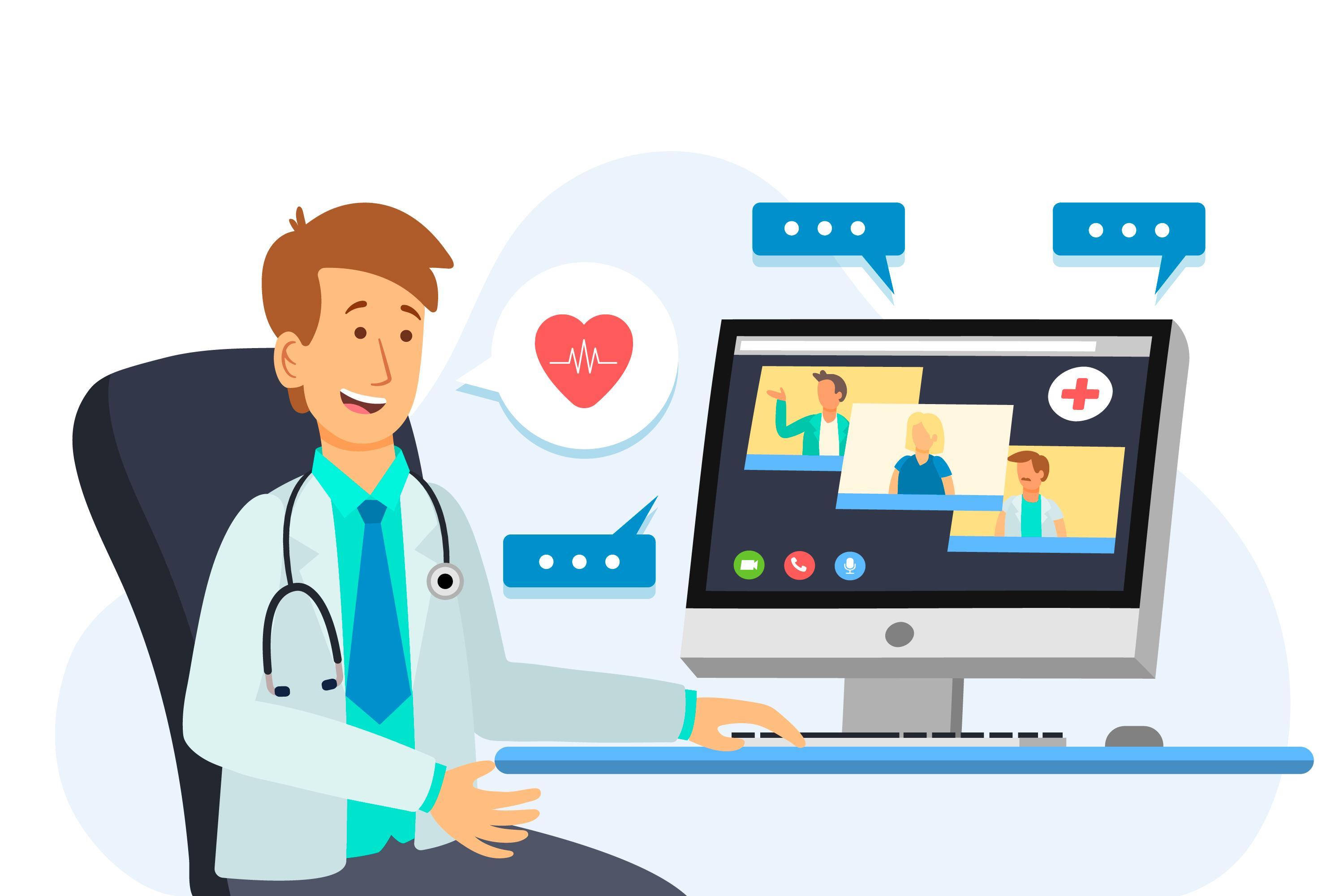
Modern healthcare is constantly evolving, and technology is playing a key role in making patient care faster, more efficient, and more accurate. One of the most transformative tools in healthcare today is the Healthcare Virtual Assistant. These digital helpers are changing the way hospitals, clinics, and private practices operate. By assisting with administrative tasks, patient communication, and data management, they are helping healthcare professionals focus more on patient care rather than paperwork.
Understanding Healthcare Virtual Assistants
A Healthcare Virtual Assistant is a software-powered assistant that helps healthcare providers manage routine tasks. They can schedule appointments, send reminders, handle patient queries, and even support billing processes. This reduces stress on administrative staff and ensures patients receive timely and accurate information.
These virtual assistants can work 24/7, making them extremely reliable for busy healthcare environments where every minute counts. From small clinics to large hospital networks, they are becoming indispensable in ensuring smooth operations.
Streamlining Appointment Management
One of the biggest challenges in healthcare is managing appointments. Patients often miss appointments, or administrative staff get overwhelmed with scheduling conflicts. Healthcare Virtual Assistants can automatically book, reschedule, and remind patients about their appointments.
This not only saves time but also improves patient satisfaction. Patients feel more cared for when they receive timely reminders and confirmations. For students studying healthcare management, this is a real-world example of technology improving efficiency and patient engagement.
Reducing Administrative Workload
Administrative tasks like patient intake, insurance verification, and documentation can consume hours every day. A Healthcare Virtual Assistant can handle these repetitive tasks efficiently.
By automating routine processes, staff can focus on more critical responsibilities. This shift not only improves workflow but also reduces errors, leading to better patient outcomes. It’s clear that virtual assistants act as a bridge between technology and healthcare operations.
Enhancing Patient Communication
Effective communication is key to healthcare. Patients often have questions about treatments, medications, or procedures. Healthcare Virtual Assistants can provide instant answers through chatbots or phone systems.
This ensures that patients get accurate information quickly, without waiting for human staff. It also reduces the chances of miscommunication, which can sometimes lead to serious complications. For students learning healthcare operations, this demonstrates how AI-driven communication tools improve patient engagement.
Supporting Billing and Insurance Claims
Billing errors and insurance claim delays are common issues in healthcare. Healthcare Virtual Assistants can assist in verifying insurance information, updating patient records, and generating invoices.
They also help in reducing claim denials by ensuring that all patient and insurance information is accurate before submission. Here, the role of a prior authorization specialist becomes crucial. Virtual assistants can work alongside these specialists to streamline the approval process, ensuring patients get timely access to necessary treatments.
Improving Data Management
Healthcare data is vast and constantly growing. Maintaining accurate records, managing patient histories, and tracking treatments can be overwhelming.
Healthcare Virtual Assistants can store and manage patient data securely, ensuring it is easy to access when needed. This not only helps doctors make better-informed decisions but also keeps patient information safe and organized. For students, this is an excellent example of how technology ensures compliance with healthcare regulations like HIPAA.
Reducing Operational Costs
By automating routine tasks, Healthcare Virtual Assistants help reduce the need for large administrative teams. This translates to significant cost savings for clinics and hospitals.
Additionally, fewer errors in scheduling, billing, or patient communication mean less wasted time and money. Efficient operations allow healthcare providers to allocate resources to improving patient care and investing in advanced medical equipment.
Enhancing Patient Experience
Patients today expect quick, reliable, and personalized services. Healthcare Virtual Assistants make it possible to meet these expectations.
From answering queries to guiding patients through treatment procedures, virtual assistants create a smoother experience. Happy patients are more likely to follow medical advice, attend appointments, and engage in long-term healthcare plans. Students studying patient care can see this as a direct link between operational efficiency and patient satisfaction.
Supporting Telemedicine Services
Telemedicine has grown significantly in recent years. Virtual assistants are essential in supporting these services by helping schedule online consultations, guiding patients through virtual platforms, and providing post-consultation follow-ups.
This ensures that telemedicine is efficient, reliable, and accessible to patients, no matter their location. For healthcare students, this highlights the integration of AI with emerging healthcare trends.
Preparing for the Future of Healthcare
The future of healthcare relies heavily on technology. Healthcare Virtual Assistants are paving the way for smarter hospitals and clinics, where AI and human staff work together.
By adopting these tools, healthcare providers can improve efficiency, reduce errors, and focus on what matters most—patient care. Students entering healthcare fields will find that understanding these systems is critical for their future careers.
Conclusion
In conclusion, Healthcare Virtual Assistants are not just a convenience—they are essential for modern healthcare. They streamline administrative work, support patient communication, and enhance operational efficiency. By working alongside professionals like prior authorization specialists, they ensure patients receive timely care.
Embracing this technology allows healthcare providers to focus on their core mission: improving patient health and satisfaction. For students, it represents a powerful example of how innovation
- Managerial Effectiveness!
- Future and Predictions
- Motivatinal / Inspiring
- Fitness and Wellness
- Medical & Health
- Manufacturing
- Education
- Real-Estate
- Food Industry
- Hospitality
- Online Games
- Sports
- Home Services
- Civil Engineering
- Safety and Protection
- Software Products & Services
- Fashion and Jewellery
- Artificial Intelligence
- Entrepreneurship
- Mentoring & Guidance
- Marketing
- Networking
- HR & Recruiting
- Literature
- Shopping
- Career Management & Advancement