

 SkillClick
Sensitive Skin Skincare Trends You Should Follow
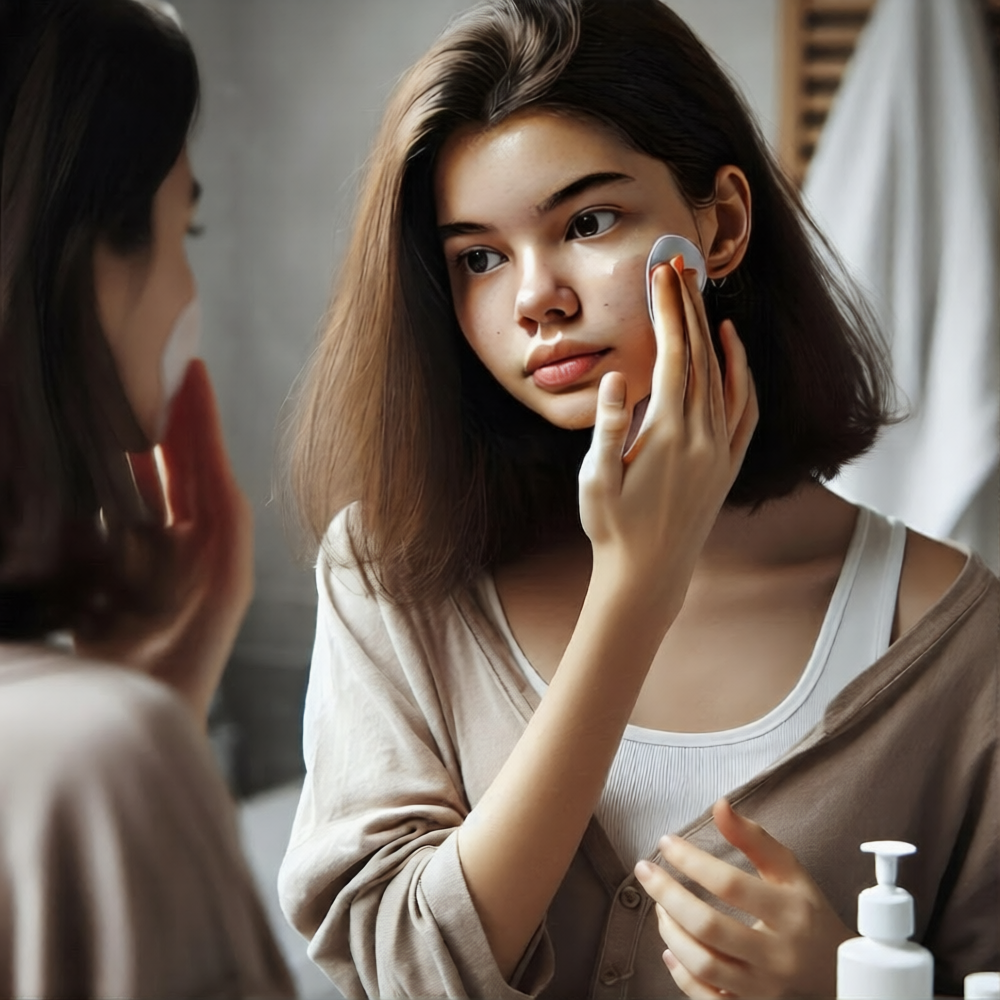
Sensitive skin can be challenging to manage. Redness, irritation, dryness, and sudden reactions to products are common concerns for people with this skin type. Over the past few years, the skincare industry has started focusing more on gentle, science-backed solutions designed specifically for sensitive skin. As a result, several new trends have emerged that prioritize skin barrier protection, soothing ingredients, and minimal irritation.
If you have sensitive skin, keeping up with these trends can help you choose products and routines that support healthier, calmer skin. Many people today also rely on product reviews before adding something new to their routine, such as reading a Korean rice toner review to understand whether a product is gentle enough for delicate skin types.
Below are some of the most important skincare trends that people with sensitive skin should consider following.
Understanding What Makes Skin Sensitive
Sensitive skin is not always a permanent skin type. Sometimes it develops due to a damaged skin barrier, environmental stress, harsh products, or underlying conditions like eczema or rosacea.
Common signs of sensitive skin include:
-
Redness or flushing
-
Burning or stinging sensations
-
Dry patches
-
Itchiness
-
Frequent reactions to new products
When the skin barrier becomes weak, irritants can easily penetrate the skin, causing inflammation and discomfort. Modern skincare trends now focus on repairing and protecting this barrier rather than aggressively treating the skin.
Why Sensitive Skin Needs a Different Skincare Approach
Traditional skincare routines often emphasize exfoliation, active ingredients, and multi-step routines. While these approaches can work well for some skin types, they may overwhelm sensitive skin.
People with sensitive skin benefit from:
-
Gentle formulas
-
Fewer active ingredients
-
Fragrance-free products
-
Hydrating and barrier-supporting ingredients
This shift toward gentler routines has led to the development of new skincare trends that prioritize skin health over quick results.
The Rise of Minimalist Skincare (Skinimalism)
One of the biggest trends for sensitive skin is skinimalism, a simplified approach to skincare. Instead of using many products at once, people now focus on a few essential steps.
A minimalist routine typically includes:
-
Gentle cleanser
-
Hydrating toner or essence
-
Moisturizer
-
Sunscreen
Reducing the number of products decreases the chance of irritation and helps the skin recover naturally. Many dermatologists now recommend this approach for people struggling with sensitivity.
Barrier Repair: The Biggest Trend in Sensitive Skin Care
The skin barrier has become one of the most talked-about topics in skincare. When this protective layer is healthy, it keeps moisture in and irritants out.
Products designed for barrier repair often include ingredients such as:
-
Ceramides
-
Fatty acids
-
Cholesterol
-
Panthenol
-
Squalane
These ingredients mimic the natural structure of the skin barrier and help restore its strength. Many skincare brands now focus heavily on barrier-repair formulations, making them ideal for sensitive skin.
Fragrance-Free and Hypoallergenic Products Gaining Popularity
Fragrance is one of the most common causes of irritation for sensitive skin. As a result, fragrance-free skincare products have become increasingly popular.
Hypoallergenic products are also trending because they are designed to reduce the risk of allergic reactions. Although no product can guarantee zero irritation, these formulas typically avoid common irritants such as:
-
Artificial fragrance
-
Harsh alcohols
-
Strong essential oils
-
Artificial dyes
Choosing fragrance-free products is often one of the easiest ways to prevent flare-ups.
Microbiome-Friendly Skincare for Skin Balance
Another major skincare trend focuses on the skin microbiome, the community of beneficial bacteria that live on the skin.
When the microbiome is balanced, it helps protect the skin from harmful bacteria and inflammation. However, harsh cleansers and over-exfoliation can disrupt this balance.
Microbiome-friendly skincare products often include:
-
Probiotics
-
Prebiotics
-
Fermented ingredients
These ingredients support healthy bacteria and help calm sensitive skin.
Soothing Ingredients Trending for Sensitive Skin
Modern skincare formulations now include a variety of calming ingredients designed specifically for reactive skin. Some of the most popular soothing ingredients include:
Centella Asiatica
This plant extract is widely used in Korean skincare and is known for its calming and healing properties.
Aloe Vera
Aloe hydrates the skin while reducing redness and inflammation.
Oat Extract
Oat-based ingredients are excellent for calming itching and irritation.
Green Tea
Green tea contains antioxidants that soothe inflamed skin and protect it from environmental damage.
These ingredients are now commonly found in moisturizers, toners, serums, and masks.
The Shift Toward Dermatologist-Tested Products
Consumers are becoming more careful about the products they use on their skin. As a result, there is a growing demand for dermatologist-tested skincare.
Products that undergo dermatological testing are evaluated for:
-
Irritation potential
-
Skin compatibility
-
Safety for sensitive skin
Although this doesn't guarantee that every person will react the same way, it provides an extra level of confidence for consumers.
Mineral Sunscreens Becoming a Sensitive Skin Favorite
Sunscreen is essential for everyone, but some formulas can irritate sensitive skin. Chemical sunscreens sometimes cause burning or redness, which has led many people to switch to mineral sunscreens.
Mineral sunscreens use ingredients like:
-
Zinc oxide
-
Titanium dioxide
These ingredients sit on the surface of the skin and reflect UV rays rather than absorbing them. Because they are less likely to cause irritation, they are often recommended for sensitive skin.
Clean and Gentle Beauty Formulations
The clean beauty movement has also influenced sensitive skincare. While the definition of “clean beauty” can vary, the overall focus is on gentle and transparent formulations.
Clean skincare products typically avoid:
-
Parabens
-
Sulfates
-
Synthetic fragrances
-
Harsh preservatives
Many brands now emphasize short ingredient lists and mild formulations that are easier for sensitive skin to tolerate.
Patch Testing: A Growing Skincare Habit
Another trend gaining attention is patch testing. Instead of applying a new product directly to the face, people test it on a small area of skin first.
Common patch test areas include:
-
Behind the ear
-
Inner arm
-
Side of the neck
After applying the product, it’s best to wait 24 to 48 hours to check for reactions. This simple step can help prevent widespread irritation.
Building a Simple Routine for Sensitive Skin
Following skincare trends doesn't mean using every new product available. The best approach is to create a simple, consistent routine.
A gentle routine may look like this:
Morning Routine
-
Mild cleanser
-
Hydrating toner
-
Lightweight moisturizer
-
Mineral sunscreen
Night Routine
-
Gentle cleanser
-
Soothing serum
-
Moisturizer or barrier repair cream
Consistency is more important than complexity when caring for sensitive skin.
Common Skincare Mistakes People With Sensitive Skin Should Avoid
Even with the best intentions, some habits can make sensitive skin worse. Avoiding these mistakes can help maintain healthier skin.
Over-Exfoliating
Using scrubs or strong acids too frequently can damage the skin barrier.
Trying Too Many Products at Once
Introducing multiple new products simultaneously makes it difficult to identify what causes irritation.
Ignoring Ingredients
Always check ingredient lists to avoid potential irritants.
Skipping Moisturizer
Hydration is essential for maintaining a healthy skin barrier.
Future Trends in Sensitive Skin Skincare
The future of sensitive skincare looks promising. Researchers and brands are investing more in gentle, science-backed solutions that prioritize skin health.
Some upcoming trends include:
-
Personalized skincare based on skin analysis
-
AI-powered skincare recommendations
-
Advanced barrier-repair technology
-
Microbiome-focused formulations
As skincare science continues to evolve, people with sensitive skin will likely have access to even more effective and gentle products.
Final Thoughts
Sensitive skin requires patience, care, and the right skincare approach. Fortunately, modern skincare trends are moving toward gentler formulations, minimalist routines, and barrier-focused treatments.
By paying attention to these trends and choosing products carefully, people with sensitive skin can create routines that protect and nourish their skin without causing irritation. The key is to focus on soothing ingredients, simple routines, and products designed specifically for delicate skin types.
- Managerial Effectiveness!
- Future and Predictions
- Motivatinal / Inspiring
- Fitness and Wellness
- Medical & Health
- Manufacturing
- Education
- Real-Estate
- Food Industry
- Hospitality
- Online Games
- Sports
- Home Services
- Civil Engineering
- Safety and Protection
- Software Products & Services
- Fashion and Jewellery
- Artificial Intelligence
- Entrepreneurship
- Mentoring & Guidance
- Marketing
- Networking
- HR & Recruiting
- Literature
- Shopping
- Career Management & Advancement