

 SkillClick
Warehouse Floor Cleaning Methods: Best Practices for Concrete and Industrial Surfaces
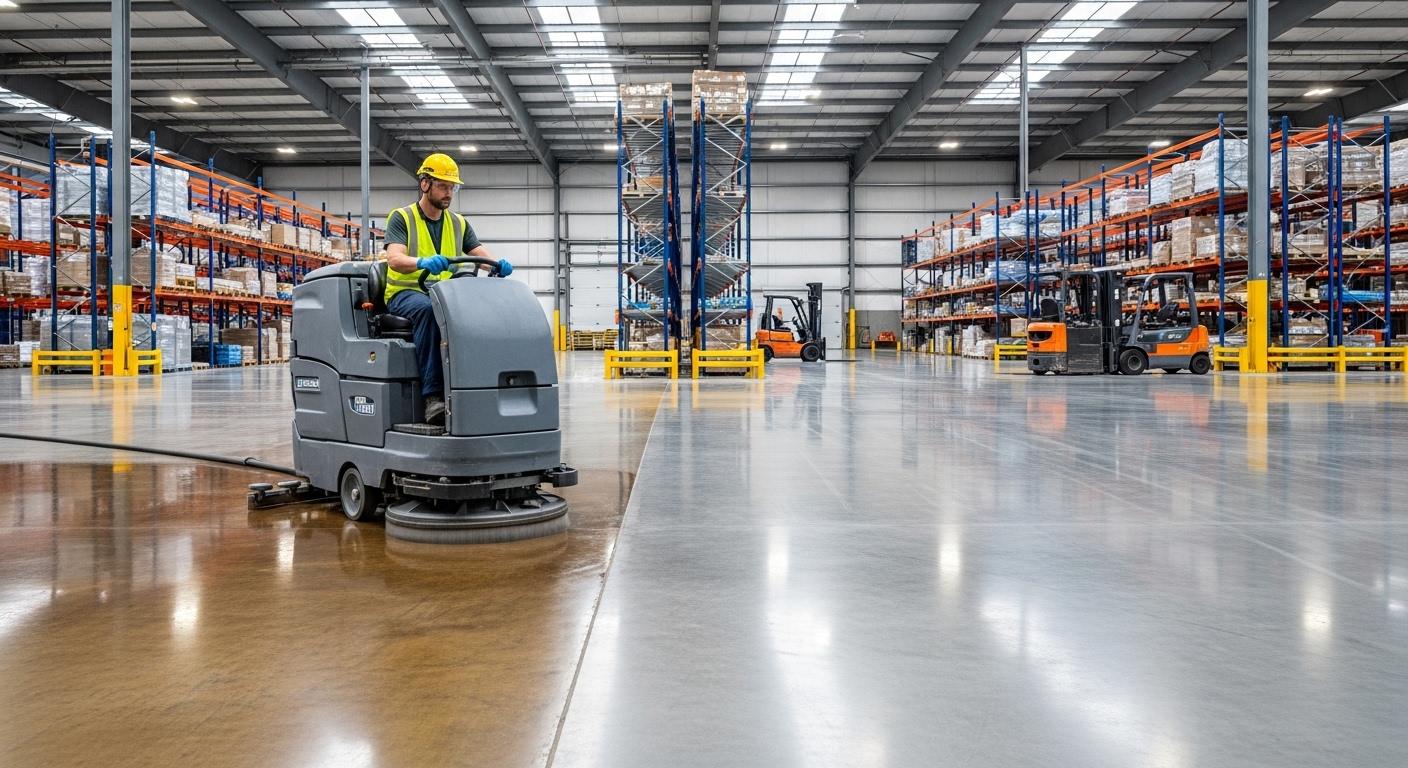
Warehouse floors operate under extreme conditions every single day. From constant forklift movement and pallet traffic to chemical spills, heavy machinery vibrations, and foot traffic, industrial flooring endures more stress than almost any other surface within a commercial facility. Without proper maintenance, even the strongest concrete and coated floors can deteriorate, leading to safety hazards, costly repairs, and operational slowdowns.
Implementing the right Commercial Warehouse Cleaning methods is essential for maintaining durable, safe, and high-performing flooring systems. A strategic approach to warehouse floor care not only protects your physical infrastructure but also improves employee safety, compliance standards, and overall productivity. This guide explores proven cleaning techniques, best practices for concrete and industrial surfaces, and professional maintenance strategies that help warehouses operate at peak efficiency.
Why Proper Warehouse Floor Cleaning Matters
Warehouse flooring is not just a structural feature it is a critical operational asset. Poor floor maintenance affects safety, performance, and long-term costs.
When warehouse floors are neglected, businesses may experience:
-
Slips, trips, and fall-related injuries
-
Reduced forklift traction and maneuverability
-
Surface cracking and premature wear
-
Dust contamination damaging stored inventory
-
Compliance issues with workplace safety regulations
-
Increased long-term repair and resurfacing costs
Consistent and structured floor maintenance improves workplace safety, extends the life of concrete and epoxy surfaces, and reduces costly downtime. Clean floors directly contribute to smoother warehouse operations and a safer working environment.
Understanding Different Warehouse Floor Types
Choosing the correct cleaning method starts with understanding the flooring material in your facility.
1. Standard Concrete Floors
Concrete is the most common warehouse flooring solution due to its strength and durability. However, concrete is porous by nature. If left unsealed, it can absorb oil, moisture, and chemicals, leading to staining and structural weakening over time.
2. Epoxy-Coated Floors
Epoxy coatings create a smooth, sealed surface resistant to stains and chemicals. They are easier to clean than bare concrete but require proper cleaning products to prevent surface damage or dulling.
3. Polished Concrete
Polished concrete provides enhanced durability and improved light reflectivity. While lower maintenance than untreated concrete, it still requires routine cleaning to preserve its finish and slip resistance.
4. Industrial Resin Flooring
Resin floors are commonly used in manufacturing and specialized environments. These floors require specific cleaning chemicals to avoid chemical reactions or surface degradation.
Each floor type demands a customized cleaning approach to maintain performance and longevity.
Common Warehouse Floor Contaminants
Warehouse floors face a wide range of contaminants that can compromise safety and durability:
-
Fine dust and airborne particles
-
Oil and grease leaks
-
Chemical spills
-
Forklift tire marks
-
Packaging debris
-
Mud and moisture tracked indoors
Effective cleaning methods must address each of these without damaging the floor surface or reducing slip resistance.
Best Warehouse Floor Cleaning Methods
1. Industrial Sweeping and Dust Control
Dust is one of the most persistent warehouse challenges. It settles on inventory, machinery, and ventilation systems, impacting air quality and equipment performance.
Best Practices:
-
Use industrial sweepers instead of manual brooms
-
Implement daily sweeping routines in high-traffic areas
-
Use HEPA-filter vacuum systems for fine particle control
-
Schedule preventative dust management programs
Automated sweepers significantly reduce airborne dust and improve cleaning efficiency in large spaces.
2. Mechanical Floor Scrubbing
Scrubbing is essential for removing embedded dirt, oil residues, and tire marks.
Best Practices:
-
Use auto scrubbers with appropriate brush pressure
-
Select pH-neutral solutions for epoxy floors
-
Apply degreasers in oil-prone areas
-
Adjust frequency based on traffic volume
Mechanical scrubbing offers deep cleaning without excessive water use, making it ideal for industrial settings.
3. Targeted Pressure Washing
Pressure washing is highly effective for exterior areas and heavily soiled sections such as loading docks.
Best Practices:
-
Avoid high pressure on coated indoor floors
-
Ensure proper drainage systems are in place
-
Use controlled water pressure settings
This method should be applied strategically to prevent surface damage.
4. Oil Stain and Degreasing Treatments
Oil and grease are common in facilities using forklifts and machinery.
Best Practices:
-
Use industrial-grade degreasers
-
Treat spills immediately to prevent absorption
-
Apply absorbent compounds before scrubbing
Rapid response prevents permanent staining and maintains floor integrity.
5. Polishing and Burnishing
Polishing enhances durability and maintains aesthetic quality, especially for polished concrete or epoxy-coated floors.
Best Practices:
-
Use high-speed burnishers
-
Apply protective floor finishes where required
-
Schedule polishing monthly or quarterly
This process restores surface shine and strengthens wear resistance.
6. Sealing and Surface Protection
Sealing prevents moisture penetration and chemical damage.
Best Practices:
-
Inspect floors for cracks before sealing
-
Reapply sealants at scheduled intervals
-
Use high-quality industrial sealers
Preventative sealing dramatically reduces long-term repair expenses.
Recommended Warehouse Floor Cleaning Schedule
Consistency is key for long-term floor protection.
Daily:
-
Sweep high-traffic zones
-
Remove spills immediately
-
Conduct visual hazard inspections
Weekly:
-
Mechanical scrubbing
-
Degreasing heavy-use areas
-
Cleaning loading docks
Monthly:
-
Deep cleaning
-
Burnishing or polishing
-
Detailed floor inspection
Quarterly:
-
Sealant checks
-
Minor crack repairs
-
Comprehensive cleaning review
Structured scheduling supports compliance and prevents small issues from becoming costly problems.
Safety Considerations During Floor Cleaning
Safety should always remain the top priority.
-
Use personal protective equipment (PPE)
-
Place wet floor warning signs
-
Avoid oversaturation of surfaces
-
Ensure proper ventilation
-
Train staff on equipment usage
Maintaining safe cleaning procedures protects both cleaning personnel and warehouse employees.
Eco-Friendly Warehouse Floor Cleaning
Sustainable cleaning is increasingly important in industrial environments.
-
Use biodegradable cleaning products
-
Reduce water waste with efficient scrubbers
-
Implement microfiber cleaning systems
-
Dispose of chemical waste responsibly
Environmentally responsible cleaning protects worker health and supports corporate sustainability goals.
In-House Cleaning vs. Professional Services
While some warehouses attempt internal maintenance, professional services offer significant advantages.
In-House Limitations:
-
Limited equipment access
-
Inconsistent cleaning standards
-
Improper chemical handling
-
Hidden labor costs
Professional Advantages:
-
Industrial-grade machinery
-
Skilled technicians
-
Customized cleaning programs
-
Regulatory documentation
-
Long-term cost efficiency
Professional services ensure thorough and compliant floor care that maximizes durability and safety.
Signs Your Warehouse Floor Requires Immediate Attention
-
Visible cracks or surface flaking
-
Persistent oil stains
-
Slippery or uneven areas
-
Excessive dust accumulation
-
Fading or peeling coatings
Early intervention prevents expensive structural repairs and safety incidents.
How Clean Floors Improve Operational Efficiency
Clean warehouse floors directly impact workflow by:
-
Improving forklift traction
-
Reducing equipment strain
-
Minimizing downtime
-
Enhancing employee productivity
-
Protecting inventory from contamination
Well-maintained flooring supports smoother daily operations and safer working conditions.
Long-Term Financial Benefits of Proper Floor Maintenance
Neglecting warehouse floor care often results in:
-
Costly resurfacing projects
-
Workplace injury claims
-
Equipment damage
-
Regulatory fines
-
Product loss
Proactive maintenance significantly reduces these risks while extending the life of industrial flooring systems.
Conclusion
Warehouse floor maintenance is not optional; it is the foundation of workplace safety, regulatory compliance, and long-term operational performance. Implementing structured cleaning strategies tailored specifically to concrete and industrial surfaces protects your facility from preventable hazards, structural damage, and costly downtime. A proactive approach to floor care ensures that minor issues are addressed before they escalate into expensive repairs or safety violations.
From daily dust control to professional warehouse floor scrubbing, sealing, and surface protection, each maintenance step plays a vital role in preserving durability and minimizing risk. Businesses that prioritize consistent and professional floor care experience fewer accidents, reduced maintenance expenses, and stronger overall productivity. A well-maintained warehouse floor supports every aspect of operations protecting employees, safeguarding inventory, and strengthening efficiency for sustainable, long-term success.
Frequently Asked Questions
1. What is the best way to clean warehouse concrete floors?
Mechanical scrubbing combined with industrial sweeping and appropriate degreasers is most effective.
2. How often should warehouse floors be cleaned?
Daily sweeping with weekly scrubbing and monthly deep cleaning is recommended for most facilities.
3. Can pressure washing damage indoor floors?
Yes, particularly epoxy-coated surfaces. It should be used carefully and mainly for exterior areas.
4. What removes forklift tire marks?
Industrial auto scrubbers with proper degreasing solutions work best.
5. Is professional warehouse floor cleaning necessary?
Yes. It improves safety, extends floor lifespan, and reduces long-term repair costs.
6. How do you prevent oil stains on concrete?
Seal the floor properly and clean spills immediately using absorbent materials.
7. Are eco-friendly products effective in warehouses?
Yes. Modern biodegradable solutions provide strong cleaning performance without harsh chemicals.
8. Does sealing concrete reduce maintenance?
Absolutely. Sealed floors resist moisture and chemical absorption, making cleaning easier.
9. What equipment is ideal for large warehouses?
Ride-on sweepers and industrial auto scrubbers provide maximum efficiency.
10. How does floor maintenance improve safety?
Clean floors reduce slip hazards, improve traction, and eliminate debris that can cause accidents.
- Managerial Effectiveness!
- Future and Predictions
- Motivatinal / Inspiring
- Fitness and Wellness
- Medical & Health
- Manufacturing
- Education
- Real-Estate
- Food Industry
- Hospitality
- Online Games
- Sports
- Home Services
- Civil Engineering
- Safety and Protection
- Software Products & Services
- Fashion and Jewellery
- Artificial Intelligence
- Entrepreneurship
- Mentoring & Guidance
- Marketing
- Networking
- HR & Recruiting
- Literature
- Shopping
- Career Management & Advancement