

 SkillClick
Locating and Repairing Exhaust Leaks That Whistle During Cold Starts
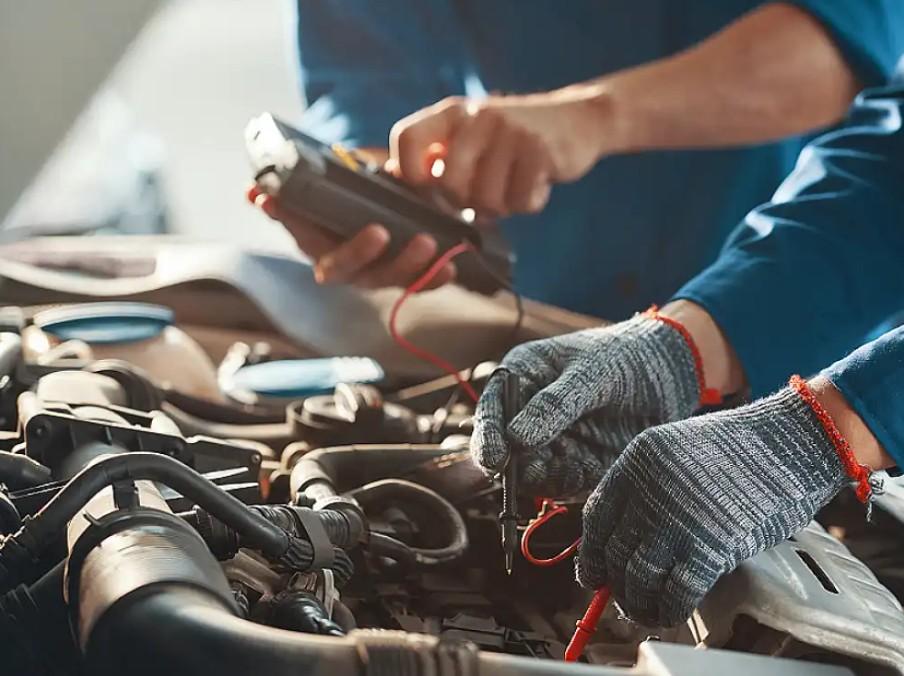
Automotive diagnostics often feel like detective work, especially when dealing with intermittent noises that vanish as the vehicle reaches operating temperature. A high-pitched whistle or a sharp "chirp" that only occurs when the engine is stone-cold is a classic symptom of a small exhaust leak, typically located at the exhaust manifold or the primary gasket. The reason this noise is temporary lies in the science of thermal expansion. When the engine is cold, the metal components—the cast iron or stainless steel manifold and the aluminum cylinder head—are at their most contracted state. If there is a slight warp in the manifold or a failing gasket, a tiny gap exists. As the engine fires up, high-pressure exhaust gases are forced through this minute orifice, creating a "reed effect" similar to a musical instrument.
Precision Tactics for Locating the Leak
Because you only have a window of a few minutes before the metal expands and the leak disappears, your diagnostic approach must be highly organized. One of the most effective methods is the "soapy water test" performed on a completely cold engine. Before starting the vehicle, spray a mixture of dish soap and water around the exhaust manifold studs and the gasket mating surfaces. When a second person starts the engine, look for rapidly growing bubbles. Another professional technique involves using a smoke machine. By plugging the tailpipe and injecting specialized diagnostic smoke into the intake or a vacuum port, you can see exactly where the "wisps" escape without even running the engine.
Analyzing Manifold Warp and Hardware Failure
Once the leak is located, the next step is determining the root cause. Often, a whistling leak is caused by a broken manifold stud. Because exhaust manifolds undergo thousands of heat cycles, the studs are under immense stress; eventually, they can snap off, allowing one corner of the manifold to lift away from the head. In other cases, the manifold itself may have warped over time. If you remove a manifold and find that the mating surface is no longer perfectly flat, simply installing a new gasket will not provide a permanent fix. The new gasket will eventually blow out again because the gap remains. A professional technician will use a precision straightedge and feeler gauges to measure the "run-out" of the manifold.
Effective Repair Strategies for Permanent Solutions
The repair process for a cold-start whistle generally involves removing the exhaust manifold to replace the gaskets and any compromised hardware. It is vital to use high-quality, multi-layer steel (MLS) gaskets, which are designed to handle the extreme expansion and contraction cycles of modern engines. If the manifold is warped, it may need to be "resurfaced" at a machine shop or replaced entirely. When reinstalling the manifold, following the correct torque sequence and specifications is critical. Over-tightening can cause the studs to snap under heat stress, while under-tightening will lead to an immediate return of the leak. Technicians also learn to apply specialized high-temperature anti-seize to the threads to ensure that future repairs don't result in seized hardware. This level of meticulous attention to detail is what separates a backyard tinkerer from a certified professional. Enrolling in a car mechanic course ensures that you learn these "best practices" early on, preventing the frustration of recurring mechanical failures.
The Role of Secondary Air Injection Systems
In some modern vehicles, a whistling noise during a cold start isn't an exhaust leak at all, but rather a fault in the Secondary Air Injection (SAI) system. This system uses an electric pump to force fresh air into the exhaust stream for the first 60 to 90 seconds of operation to help the catalytic converter reach its light-off temperature faster. If a plastic hose in this system is cracked or a check valve has failed, it can produce a loud whistling or "vacuum cleaner" sound that disappears exactly when the pump shuts off. Differentiating between a structural exhaust leak and a system-specific component failure is a vital diagnostic skill. A comprehensive car mechanic course covers these complex emissions systems in depth, teaching students how to use scan tools to command these pumps on and off for testing. Being able to accurately identify the source of a noise saves the customer money and builds the technician's reputation for honesty and expertise.
Conclusion: Investing in Diagnostic Excellence
In conclusion, diagnosing a cold-start exhaust whistle is a perfect example of why modern automotive repair requires a blend of traditional mechanical skills and scientific understanding. Whether the issue is a warped manifold, a broken stud, or a failing air injection system, the solution starts with a systematic and knowledgeable approach. For those who find the "whodunnit" nature of car repair exciting, the path to a successful career begins with structured education.
- Managerial Effectiveness!
- Future and Predictions
- Motivatinal / Inspiring
- Fitness and Wellness
- Medical & Health
- Manufacturing
- Education
- Real-Estate
- Food Industry
- Hospitality
- Online Games
- Sports
- Home Services
- Civil Engineering
- Safety and Protection
- Software Products & Services
- Fashion and Jewellery
- Artificial Intelligence
- Entrepreneurship
- Mentoring & Guidance
- Marketing
- Networking
- HR & Recruiting
- Literature
- Shopping
- Career Management & Advancement