

 SkillClick
BNG Assessment Reports – A Complete Guide to Biodiversity Net Gain Compliance
Understanding the Purpose of BNG Assessment Reports
Biodiversity Net Gain (BNG) Assessment Reports have become a central requirement in modern development planning. As environmental regulations continue to evolve, developers, landowners, and planning consultants must now demonstrate that their projects do more than simply protect biodiversity — they must actively enhance it. A BNG Assessment Report is the formal document that measures the ecological value of a site before development and outlines how the project will deliver measurable biodiversity improvements after completion.
The concept behind BNG is simple yet powerful: any development that impacts nature must leave the natural environment in a better state than before. This principle encourages sustainable construction, habitat creation, and long-term environmental stewardship. A professionally prepared BNG Assessment Report ensures that planning authorities have clear evidence showing how biodiversity losses will be mitigated and how ecological gains will be achieved and maintained.
Why BNG Assessment Reports Are Essential for Planning Approval
In many regions, Biodiversity Net Gain is now a mandatory component of the planning process. Local planning authorities require developers to submit a comprehensive BNG Assessment Report as part of their application. Without this document, applications may face delays, requests for further information, or outright refusal.
The report provides transparency and accountability. It demonstrates that ecological impacts have been carefully assessed and quantified using approved biodiversity metrics. It also details how habitats will be protected, enhanced, or replaced. Importantly, the report outlines long-term management plans to ensure biodiversity improvements are sustained for decades, not just during the construction phase.
For developers, a well-prepared BNG Assessment Report reduces planning risk. It shows commitment to sustainable development, builds trust with regulators, and can even improve public perception of the project.
Key Components of a Professional BNG Assessment Report
A high-quality BNG Assessment Report follows a structured and evidence-based approach. While the format may vary slightly depending on project scale and location, the core elements typically include:
1. Baseline Ecological Survey
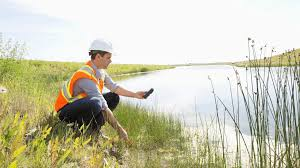
The first step is to assess the existing ecological value of the site. Qualified ecologists conduct habitat surveys to identify vegetation types, protected species, and ecological features. These findings are mapped and categorised using a recognised biodiversity metric tool.
The baseline survey establishes the “before development” biodiversity value. This figure becomes the benchmark against which post-development gains are measured.
2. Impact Assessment
The next section evaluates how the proposed development will affect existing habitats. It identifies areas that will be lost, degraded, or retained. This stage quantifies biodiversity losses and ensures they are accurately recorded within the metric calculations.
A clear impact assessment allows developers to understand the scale of mitigation required to achieve net gain.
3. Biodiversity Metric Calculation
BNG is measured using a standardised biodiversity metric. This tool calculates biodiversity units based on habitat type, size, distinctiveness, and condition. The metric determines whether the development achieves the required percentage increase in biodiversity units, commonly set at a minimum of 10%.
This calculation must be transparent, accurate, and supported by ecological evidence.
4. Mitigation and Enhancement Strategy
If biodiversity losses occur, the report must outline how they will be compensated. This may include on-site habitat creation such as new woodlands, wetlands, grasslands, green roofs, or wildlife corridors.
Where on-site enhancement is insufficient, off-site biodiversity units may be required. The strategy must clearly show how the project will exceed baseline biodiversity levels.
5. Long-Term Management Plan
BNG commitments typically require habitat management for a minimum of 30 years. The report includes a management and monitoring plan explaining how habitats will be maintained, who will be responsible, and how ecological performance will be reviewed over time.
Long-term planning ensures that biodiversity gains are meaningful and sustainable.
Benefits of BNG Assessment Reports for Developers and Communities
Although BNG requirements add an additional layer to planning applications, they offer significant long-term advantages. Developers who integrate biodiversity into early design stages often find that green infrastructure enhances the overall quality of their schemes.
Well-designed ecological features can improve drainage, reduce urban heat, increase property value, and create healthier living environments. Communities benefit from improved green spaces, enhanced wildlife habitats, and better environmental resilience.
phase 1 desktop study also reduce legal and compliance risks. By clearly documenting ecological commitments, developers protect themselves from future disputes and demonstrate responsible environmental practice.
The Role of Qualified Ecological Consultants
Preparing a BNG Assessment Report requires specialist ecological knowledge and technical expertise. Professional consultants understand biodiversity metrics, habitat classification systems, and regulatory frameworks. They ensure surveys are conducted at appropriate times of year and that data is accurate and defensible.
Early engagement with ecological consultants is highly recommended. Integrating biodiversity strategies during the design phase is more cost-effective than attempting to retrofit solutions later. Experienced consultants can also identify creative enhancement opportunities that maximise biodiversity value without compromising development objectives.
Challenges in Delivering Biodiversity Net Gain
Achieving biodiversity net gain is not always straightforward. Urban sites with limited space may struggle to accommodate sufficient habitat creation. Brownfield sites can present complex ecological considerations, particularly where existing habitats have developed naturally over time.
In such cases, off-site biodiversity units or habitat banks may provide solutions. However, these arrangements must be legally secured and carefully documented within the BNG Assessment Report. Clear evidence and transparent calculations are critical to gaining planning approval.
Another challenge is long-term habitat management. Biodiversity enhancements require ongoing care and monitoring. Developers must ensure that funding mechanisms and responsibilities are clearly defined from the outset.
Future Trends in BNG and Sustainable Development
As environmental awareness continues to grow, BNG is expected to become even more integrated into mainstream planning policy. Developers are increasingly viewing biodiversity as an opportunity rather than a constraint. Sustainable design, green infrastructure, and climate resilience are shaping the future of construction.
BNG Assessment Reports will continue to evolve alongside new ecological standards and digital mapping technologies. Data-driven biodiversity monitoring, satellite imagery, and advanced ecological modelling are likely to enhance reporting accuracy in the coming years.
Forward-thinking developers who prioritise biodiversity today will be better positioned to adapt to future regulatory changes and market expectations.
- Managerial Effectiveness!
- Future and Predictions
- Motivatinal / Inspiring
- Fitness and Wellness
- Medical & Health
- Manufacturing
- Education
- Real-Estate
- Food Industry
- Hospitality
- Online Games
- Sports
- Home Services
- Civil Engineering
- Safety and Protection
- Software Products & Services
- Fashion and Jewellery
- Artificial Intelligence
- Entrepreneurship
- Mentoring & Guidance
- Marketing
- Networking
- HR & Recruiting
- Literature
- Shopping
- Career Management & Advancement