

 SkillClick
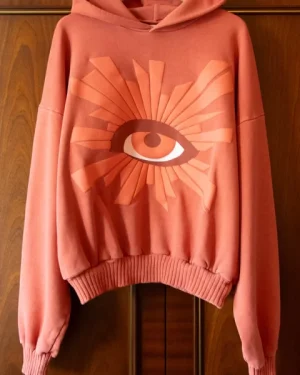
House of Errors is a humorous and engaging dramatic work that revolves around confusion, mistaken identities, and chaotic misunderstandings. The play belongs to the tradition of classical comedy, where laughter is created through unexpected situations, dramatic irony, and exaggerated circumstances. It explores how simple misunderstandings can spiral into complicated problems when assumptions replace communication. Through lively characters and cleverly constructed events, the play delivers entertainment while also reflecting on human nature and social relationships.
Historical Background
The theme of mistaken identity has long been a favorite in world literature. The foundation of House of Errors can be traced to the Roman playwright Plautus, particularly his play Menaechmi, which featured identical twins separated at birth. This ancient plot later influenced many dramatists. One of the most famous adaptations of this theme is The Comedy of Errors by William Shakespeare.
Over time, the structure of twin confusion and mistaken identity became a popular model for comedic storytelling. House of Errors follows this traditional pattern while presenting it in its own dramatic framework.
Plot Overview
The story centers around two sets of identical twins who were separated in childhood. Unknown to each other, both sets grow up in different places. Years later, by coincidence, they find themselves in the same city. Since they look exactly alike, people repeatedly mistake one for the other.
As the events unfold, the confusion deepens. One twin is blamed for debts he never made. Another is accused of behaving strangely toward his own wife. Servants are scolded for actions they did not perform. Husbands are suspected, friendships are questioned, and business dealings fall apart. The city itself seems to become a “house of errors” where no one can fully trust what they see.
The climax arrives when both sets of twins finally meet face to face. The misunderstandings are resolved, identities are clarified, and lost family members are reunited. The play ends with reconciliation and joy.
Major Themes
1. Mistaken Identity
The most prominent theme is mistaken identity. The twins’ identical appearances create endless confusion. This theme highlights how people often rely on appearances without seeking deeper truth.
2. Confusion and Chaos
The play portrays how small misunderstandings can escalate into larger conflicts. One simple mistake leads to suspicion, anger, and panic. The chaos creates humor but also reveals how fragile order can be.
3. Family and Reunion
At its heart, the story is about separation and reunion. Families torn apart by fate are eventually brought together. This emotional aspect balances the comedy with warmth and humanity.
4. Appearance vs. Reality
Characters believe what they see, yet reality constantly contradicts their assumptions. The play suggests that truth requires patience and understanding.
Characterization
The characters in House of Errors hoodie are lively and dynamic. The twins are central figures, but supporting characters play a crucial role in amplifying the humor.
-
The Twin Brothers: They are intelligent yet increasingly frustrated as they face accusations for things they never did.
-
The Twin Servants: Their comic timing enhances the playful confusion.
-
The Wife: She represents domestic authority and emotional sensitivity.
-
The Merchant and Officials: They add social pressure and legal complications.
Each character reacts differently to the confusion—some with anger, others with fear, and some with humor. Their varied responses enrich the dramatic experience.
Comic Techniques
The humor in the play is achieved through several dramatic devices:
Dramatic Irony
The audience knows the truth about the twins, but the characters do not. This knowledge makes every misunderstanding amusing.
Slapstick Comedy
Physical humor, quick chases, and exaggerated reactions add energy to the performance.
Wordplay
Clever dialogues, witty remarks, and humorous exchanges create verbal comedy.
Situational Comedy
Most humor arises naturally from situations rather than forced jokes.
Structure of the Play
The play typically follows a five-act structure:
-
Exposition: Introduction of the separated family and background.
-
Rising Action: Arrival of the twins in the same city.
-
Complications: Increasing misunderstandings.
-
Climax: Dramatic confrontation when identities collide.
-
Resolution: Recognition scene and family reunion.
This clear structure keeps the audience engaged while maintaining a steady build-up of excitement.
Language and Style
The language of House of Errors is simple yet expressive. Dialogues are fast-paced and filled with emotion. The style combines everyday conversation with poetic elements, depending on the adaptation. The lively rhythm keeps the audience entertained and ensures that the confusion never becomes dull.
Moral and Message
Though primarily a comedy, the play offers subtle lessons:
-
Avoid jumping to conclusions.
-
Communication is essential in relationships.
-
Appearances can be misleading.
-
Family bonds endure despite separation.
By resolving all conflicts in a joyful reunion, the play suggests optimism and harmony.
Dramatic Significance
The importance of House of Errors lies in its timeless appeal. The theme of mistaken identity continues to inspire modern films, television shows, and stage productions. Its structure demonstrates how comedy can arise from carefully designed confusion. The play remains relevant because misunderstandings are universal experiences.
Relevance in Modern Times
Even today, people encounter situations where miscommunication leads to unnecessary conflict. The play reminds audiences to pause and verify facts before reacting emotionally. In a world filled with assumptions and quick judgments, its message feels surprisingly contemporary.
Moreover, modern adaptations often update the setting while preserving the core idea of identical characters causing chaos. This adaptability proves the enduring strength of its storyline.
Conclusion
House of Errors is a delightful comic drama that blends humor with emotional depth. Through mistaken identities and escalating misunderstandings, it creates laughter while exploring human behavior. Its classical roots, engaging plot, memorable characters, and meaningful themes make it a lasting example of comedic art.
The play ultimately celebrates reunion, forgiveness, and clarity. What begins as chaos ends in harmony, leaving the audience entertained and satisfied. In this way, House of Errors stands as a shining example of how confusion, when handled creatively, can become a powerful source of joy and insight.