

 SkillClick
Why Is Hydrogen Power Gaining Momentum in Marine Vessel Technology?
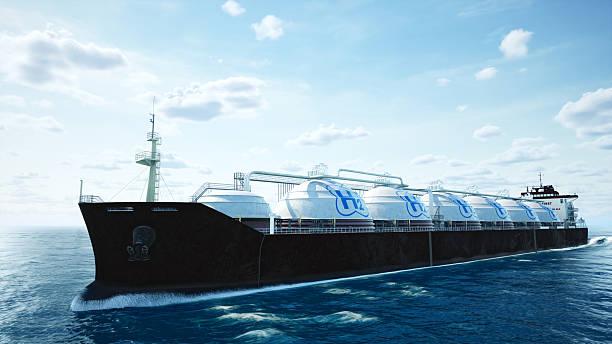
Marine transportation is entering a decisive period of technological transformation as environmental regulations tighten and shipping companies search for cleaner propulsion alternatives. Conventional marine fuels have powered global trade for decades, yet their emissions profile is increasingly incompatible with modern sustainability expectations. As international maritime organizations introduce stricter carbon targets, vessel operators are evaluating innovative energy systems capable of balancing efficiency, reliability, and environmental responsibility. Among the emerging solutions, fuel cell technologies are gaining attention because they generate electricity through electrochemical reactions rather than combustion, dramatically reducing harmful emissions. This shift marks the beginning of a new era for maritime energy systems, encouraging collaboration between shipbuilders, energy providers, and policymakers. The transition is complex but increasingly unavoidable. Industry momentum continues to accelerate.
Fuel cells operate by converting hydrogen or other fuels directly into electricity, producing water and heat as byproducts instead of carbon-intensive exhaust gases. For marine vessels, this characteristic translates into quieter operation, improved energy efficiency, and reduced maintenance compared with traditional internal combustion engines. Additionally, fuel cells can integrate with hybrid power architectures that include batteries or renewable energy sources, enabling flexible energy management during different voyage phases. Ports and coastal authorities also benefit because cleaner vessels help improve local air quality and reduce noise pollution near populated areas. These advantages collectively position fuel cells as a promising pathway for meeting both environmental commitments and long-term operational cost objectives. However, adoption still depends on infrastructure readiness, technological maturity, and investment confidence across maritime stakeholders. Progress in these areas continues steadily.
Market participants are responding to this momentum by investing heavily in research partnerships, demonstration projects, and pilot vessels designed to validate commercial feasibility. Shipyards are collaborating with technology providers to redesign propulsion layouts that accommodate hydrogen storage systems while maintaining safety and operational reliability. Financial institutions are also beginning to view the transition as an opportunity to support sustainable investments aligned with global climate initiatives. The evolving Fuel Cells Marine Vessels Market reflects this growing confidence, as industry stakeholders recognize fuel cell propulsion as a viable long-term alternative to fossil-based marine engines. Government incentives and decarbonization targets further accelerate commercialization by encouraging early adoption and lowering investment risks for innovators. As more demonstration vessels enter service, operational data continues to strengthen confidence in scalability and performance consistency. This momentum signals a meaningful shift toward sustainable maritime transportation.
Regional adoption patterns vary widely depending on policy frameworks, energy availability, and ship type requirements. Europe currently leads early deployment due to strong emission regulations and coordinated hydrogen infrastructure initiatives. Asia-Pacific nations are accelerating investments as shipbuilding hubs explore opportunities to integrate advanced propulsion technologies into new vessel designs. Analysts tracking Fuel Cells Marine Vessels Market Growth emphasize that expanding hydrogen supply chains and declining technology costs are expected to drive adoption across commercial fleets. North America is also witnessing increased pilot programs supported by public-private partnerships focused on sustainable shipping corridors. Emerging economies are exploring fuel cell integration for ferries and coastal transport, where shorter routes simplify refueling logistics. Collectively, these developments illustrate a global commitment to reducing maritime emissions through innovative propulsion technologies.
Looking ahead, collaboration among technology developers, regulators, shipowners, and energy suppliers will determine the speed at which fuel cells become mainstream within maritime fleets. Continued innovation in storage solutions, safety standards, and fueling infrastructure will further strengthen industry confidence. As commercial viability improves, fuel cell-powered vessels may transform shipping economics while helping meet ambitious climate targets. The coming decade will likely define how rapidly maritime decarbonization becomes reality across global trade networks. Stakeholders prepared to invest early could shape the industry's sustainable future. With lasting impact.
Browse More Report:
Military Surveillance Drones Market
Airport Snow Removal Vehicles Equipment Market
Commercial Aircraft Actuation System Market
Helicopter Tourism Market
Anti-Ship Missile Defence System Market
Laser Defense Eyewear Market
- Managerial Effectiveness!
- Future and Predictions
- Motivatinal / Inspiring
- Fitness and Wellness
- Medical & Health
- Manufacturing
- Onderwijs
- Real-Estate
- Food Industry
- Hospitality
- Online Games
- Sports
- Home Services
- Civil Engineering
- Safety and Protection
- Software Products & Services
- Fashion and Jewellery
- Artificial Intelligence
- Entrepreneurship
- Mentoring & Guidance
- Marketing
- Networking
- HR & Recruiting
- Literature
- Shopping
- Career Management & Advancement