

 SkillClick
Effective Antiseptic Mouthwash for Daily Dental Hygiene Routine
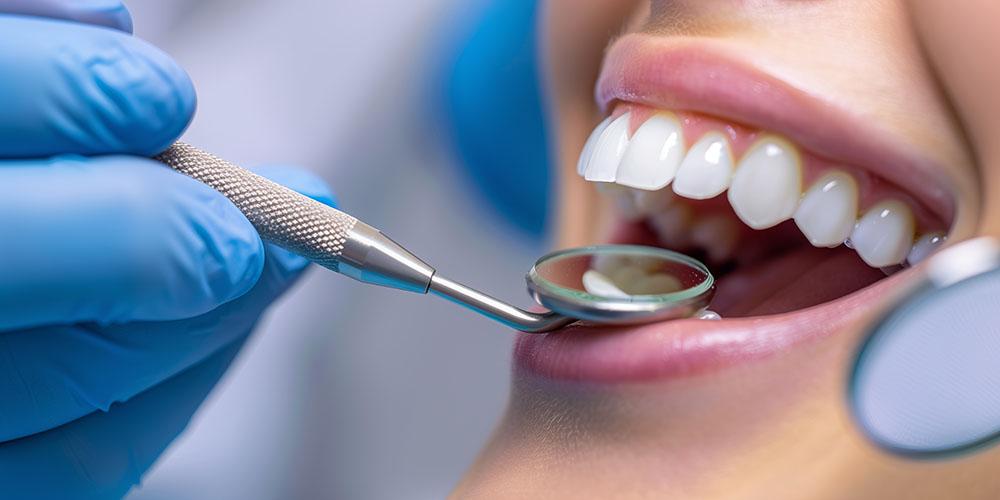
Keeping your mouth healthy is more than just brushing and flossing — it’s about eliminating harmful bacteria, preventing gum issues, and enjoying long‑lasting fresh breath. An Antiseptic Mouthwash can be a powerful addition to your daily dental hygiene routine, helping support teeth, gums, and overall oral wellness. In this article, we’ll explore how antiseptic rinses work, the benefits they provide, tips for choosing the best formula, and smart ways to make them part of your everyday care.
What Makes Antiseptic Mouthwash Essential in Oral Care
An Antiseptic Mouthwash is specifically formulated to reduce bacterial growth in the mouth. Unlike regular rinses that mainly mask odors, antiseptic solutions contain active antimicrobial ingredients that reach areas a toothbrush may miss — including between teeth, along gum lines, and at the back of the tongue.
Bacteria in the mouth can lead to plaque buildup, gingivitis, bad breath, and even more serious dental problems if left unchecked. By using an Antiseptic Mouthwash daily, you help keep these harmful microbes under control, helping preserve a cleaner mouth environment. Most antiseptic rinses also help maintain a more balanced oral microbiome, which means fewer cavities and less inflammation over time.
Additionally, regular use supports a fresher breath throughout the day. This benefit alone makes it a popular step in many people’s routines — but the advantages go much deeper than just fresh breath.
Benefits of Using Antiseptic Mouthwash Every Day
There are several practical reasons dentists recommend an Antiseptic Mouthwash as a complement to brushing and flossing:
1. Reduces Plaque and Gingivitis:
By targeting oral bacteria, antiseptic rinses help prevent plaque from hardening into tartar, lowering the risk of gingivitis and gum irritation.
2. Promotes Fresher Breath:
Many people notice fresher breath minutes after rinsing. Long‑term use neutralizes odor‑causing bacteria, keeping breath fresh all day.
3. Supports Gum Health:
For individuals prone to bleeding gums or gum disease, antiseptic rinses help reduce inflammation and soothe irritated tissues.
4. Strengthens Oral Defense:
Some antiseptic mouthwash formulas include ingredients that help strengthen enamel or provide additional protection against decay, complementing fluoride toothpaste.
5. Helps During Sensitive Periods:
After dental procedures or during times of heightened oral sensitivity, antiseptic mouthwash can offer gentle yet effective protection while your mouth heals.
Adding an Antiseptic Mouthwash to your daily routine can transform your dental hygiene efforts into a more complete, proactive care system — protecting you from common oral health issues before they escalate.
Incorporating Antiseptic Mouthwash with Dental Care Tips
To get the most out of an Antiseptic Mouthwash, use it alongside a thoughtful oral care routine. Here are key Dental Care Tips that pair perfectly with daily antiseptic rinsing:
-
Brush Thoroughly Twice Daily:
Use a soft‑bristled toothbrush and fluoride toothpaste. Brush at least two minutes each time, reaching all surfaces of your teeth. -
Floss Every Day:
Flossing removes food particles and plaque between teeth where brushes can’t reach. -
Rinse After Brushing:
Use your Antiseptic Mouthwash right after brushing and flossing. Swish for 30–60 seconds with a full dose of the antiseptic rinse so it can act on leftover bacteria. -
Avoid Eating or Drinking Immediately:
Wait at least 30 minutes after rinsing so the active ingredients can fully work without being rinsed away. -
Stay Hydrated:
Drinking water throughout the day helps wash away food debris and keeps your mouth moist — which naturally supports cleaner teeth and fresher breath.
By combining these steps, you create a consistent dental hygiene routine that strengthens your oral defenses and maximizes the benefits of your antiseptic mouthwash.
Choosing the Right Antiseptic Mouthwash for Your Needs
Selecting the best Antiseptic Mouthwash depends on your personal oral health goals. Here’s how to choose wisely:
Alcohol vs. Alcohol‑Free
Many antiseptic mouthwashes contain alcohol, which can help kill bacteria effectively. However, alcohol‑free options are gentler and often preferred by people with dry mouth, sensitive gums, or oral irritation.
Fluoride Inclusion
Some mouthwashes include fluoride, which helps strengthen enamel and prevent tooth decay. If your dentist emphasizes cavity prevention, a fluoride‑enriched antiseptic rinse may be beneficial.
Targeted Formulas
Some antiseptic rinses are designed for gum health, while others prioritize plaque control or fresh breath. Consider your primary concern — whether it’s gingivitis, frequent bad breath, or cavity prevention — and choose a formula that aligns with those needs.
Consult Your Dentist
If you have specific concerns like periodontal disease, braces, or dental sensitivities, talking with your dentist can help you find the most effective antiseptic mouthwash for your unique oral environment.
The right antiseptic mouthwash should be easy to use, suited to your oral health goals, and comfortable in daily practice. Don’t hesitate to switch formulas if one isn’t meeting your needs.
Long‑Term Oral Health Benefits of Daily Antiseptic Rinsing
Using an Antiseptic Mouthwash consistently — not just occasionally — yields long‑term advantages:
1. Lower Risk of Gum Disease:
Regular antiseptic rinsing helps keep harmful bacteria in check so inflammation and periodontal issues are less likely to develop.
2. Better Overall Oral Hygiene:
Day‑to‑day care with mouthwash supports a cleaner oral environment, enhancing the results of brushing and flossing.
3. Confidence in Social Situations:
Consistent fresh breath and clean‑feeling teeth boost confidence at work, social events, and personal interactions.
4. Complementary to Professional Dental Care:
When used alongside regular dental checkups and cleanings, antiseptic mouthwash strengthens your overall dental hygiene strategy.
With persistent use, you can enjoy a lasting, positive impact on your oral health — contributing to healthier teeth, gums, and a brighter smile.
Conclusion
An Antiseptic Mouthwash is a powerful tool for anyone looking to enhance their daily dental hygiene routine. By effectively targeting bacteria that brushing and flossing may miss, it helps prevent plaque buildup, supports gum health, and keeps breath fresh long after you rinse. When used alongside brushing, flossing, and consistent Dental Care Tips, antiseptic rinses become a cornerstone of premium oral care.
Investing in an effective Antiseptic Mouthwash and making it part of your everyday routine ensures stronger defenses against decay, gum disease, and bacterial buildup — helping you maintain a healthier mouth and a confident smile for years to come.
- Managerial Effectiveness!
- Future and Predictions
- Motivatinal / Inspiring
- Fitness and Wellness
- Medical & Health
- Manufacturing
- Education
- Real-Estate
- Food Industry
- Hospitality
- Online Games
- Sports
- Home Services
- Civil Engineering
- Safety and Protection
- Software Products & Services
- Fashion and Jewellery
- Artificial Intelligence
- Entrepreneurship
- Mentoring & Guidance
- Marketing
- Networking
- HR & Recruiting
- Literature
- Shopping
- Career Management & Advancement