

 SkillClick
Measles Rash vs Rubella: How to Tell Them Apart
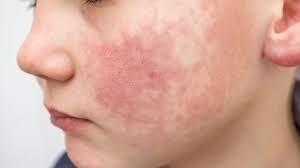
Understanding the difference between Measles Rash vs Rubella is essential when identifying childhood illnesses that present with fever and red rashes. While both infections may look similar at first glance, they are caused by different viruses and vary in severity, complications, and contagiousness. Knowing how to distinguish them can help ensure timely treatment and prevent further spread.
In this comprehensive guide, we will explore Measles Rash vs Rubella, focusing on how to tell them apart through symptoms, causes, transmission patterns, and prevention strategies.
Understanding the Viruses Behind Measles and Rubella
To clearly differentiate Measles Rash vs Rubella, it is important to begin with their causes. Measles is caused by the measles virus, a highly contagious paramyxovirus. Rubella, also known as German measles, is caused by the rubella virus, which is generally milder in nature.
Measles is considered one of the most contagious viral diseases worldwide. A single infected person can spread the virus to up to 90% of unvaccinated individuals who come into close contact. Rubella spreads through respiratory droplets as well, but it is less aggressive in transmission.
When analyzing Measles Rash vs Rubella, the level of severity stands out as a major difference. Measles often results in high fever, severe cough, and inflamed eyes. Rubella symptoms are typically milder and may even go unnoticed in some individuals.
Both diseases are preventable through vaccination, making awareness and immunization key factors in reducing outbreaks.
Key Differences in Rash Appearance and Progression
The rash is the most visible symptom in the comparison of Measles Rash vs Rubella, yet its characteristics differ in noticeable ways.
Measles rash usually begins at the hairline and spreads downward to the face, neck, torso, arms, and legs. It appears as red, flat spots that may merge together as the infection progresses. Before the rash develops, small white spots called Koplik spots can appear inside the mouth, which are unique to measles. The fever associated with measles can be very high, sometimes exceeding 104°F (40°C).
Rubella rash typically starts on the face and spreads quickly to the rest of the body within 24 hours. It is generally lighter in color and does not merge as extensively as measles rash. The rash often fades within three days, earning rubella the nickname “three-day measles.”
In evaluating Measles Rash vs Rubella, the timeline of the rash also differs. Measles rash may last up to a week, while rubella rash tends to resolve more quickly and with less discomfort.
Recognizing these differences can help individuals and caregivers determine when to seek medical evaluation.
Symptoms Beyond the Rash
Although rash is the primary feature when comparing Measles Rash vs Rubella, other symptoms provide important clues.
Measles often begins with a combination of high fever, persistent cough, runny nose, and red, watery eyes. Fatigue and irritability are common, especially in children. These respiratory symptoms appear before the rash and intensify as the illness progresses.
Rubella usually causes a mild fever, headache, and swollen lymph nodes, particularly behind the ears and at the back of the neck. Joint pain may also occur, especially in adult women. Compared to measles, rubella symptoms are generally less intense.
From a broader Health and Wellness standpoint, early symptom recognition supports timely isolation and reduces the risk of spreading infection. Since both diseases are contagious before the rash fully appears, understanding early warning signs is critical.
When distinguishing Measles Rash vs Rubella, the severity and combination of respiratory symptoms often point toward measles, while milder symptoms with noticeable lymph node swelling suggest rubella.
Complications and Risk Groups
A major distinction in Measles Rash vs Rubella lies in potential complications and high-risk populations.
Measles can lead to serious health issues such as pneumonia, ear infections, severe diarrhea, and encephalitis. In rare cases, it may result in long-term neurological complications. Children under five, adults over twenty, pregnant women, and individuals with weakened immune systems are particularly vulnerable.
Rubella is typically mild in children and healthy adults. However, it poses significant risks during pregnancy. If a pregnant woman becomes infected, especially during the first trimester, the virus can cause congenital rubella syndrome. This condition may lead to birth defects such as heart abnormalities, hearing loss, and developmental delays.
Understanding these risks is essential when comparing Measles Rash vs Rubella. While measles carries broader complications for the general population, rubella presents specific but severe dangers for unborn babies.
Prompt medical attention and laboratory testing can confirm the diagnosis and guide appropriate care.
Prevention, Diagnosis, and Public Health Measures
Preventing Measles Rash vs Rubella primarily depends on vaccination. The MMR (measles, mumps, rubella) vaccine is highly effective and typically administered in two doses during childhood. Adults who are unsure of their vaccination status should consult healthcare providers.
Diagnosis usually involves clinical evaluation and blood tests to detect virus-specific antibodies. Because symptoms can overlap, laboratory confirmation helps accurately distinguish Measles Rash vs Rubella.
There is no specific antiviral cure for either disease. Treatment focuses on supportive care, including rest, fluids, and fever management. Vitamin A supplementation is sometimes recommended for children with measles to reduce complications.
Isolation is essential to prevent spreading the virus. Individuals diagnosed with measles or rubella should avoid contact with others until they are no longer contagious.
By maintaining vaccination coverage and practicing preventive measures, communities can significantly reduce outbreaks and protect vulnerable individuals.
Final Thoughts
Distinguishing Measles Rash vs Rubella requires careful attention to rash characteristics, symptom severity, and risk factors. Measles tends to be more severe and highly contagious, while rubella is milder but dangerous during pregnancy.
Recognizing early signs, seeking medical evaluation, and ensuring proper vaccination are the most effective strategies to prevent complications and limit transmission. Awareness empowers individuals and families to respond quickly and responsibly.
By understanding how to tell them apart, you contribute to safer communities and better overall health protection for everyone.
- Managerial Effectiveness!
- Future and Predictions
- Motivatinal / Inspiring
- Fitness and Wellness
- Medical & Health
- Manufacturing
- Education
- Real-Estate
- Food Industry
- Hospitality
- Online Games
- Sports
- Home Services
- Civil Engineering
- Safety and Protection
- Software Products & Services
- Fashion and Jewellery
- Artificial Intelligence
- Entrepreneurship
- Mentoring & Guidance
- Marketing
- Networking
- HR & Recruiting
- Literature
- Shopping
- Career Management & Advancement