

 SkillClick
Effective Ways to Protect Against Meningitis
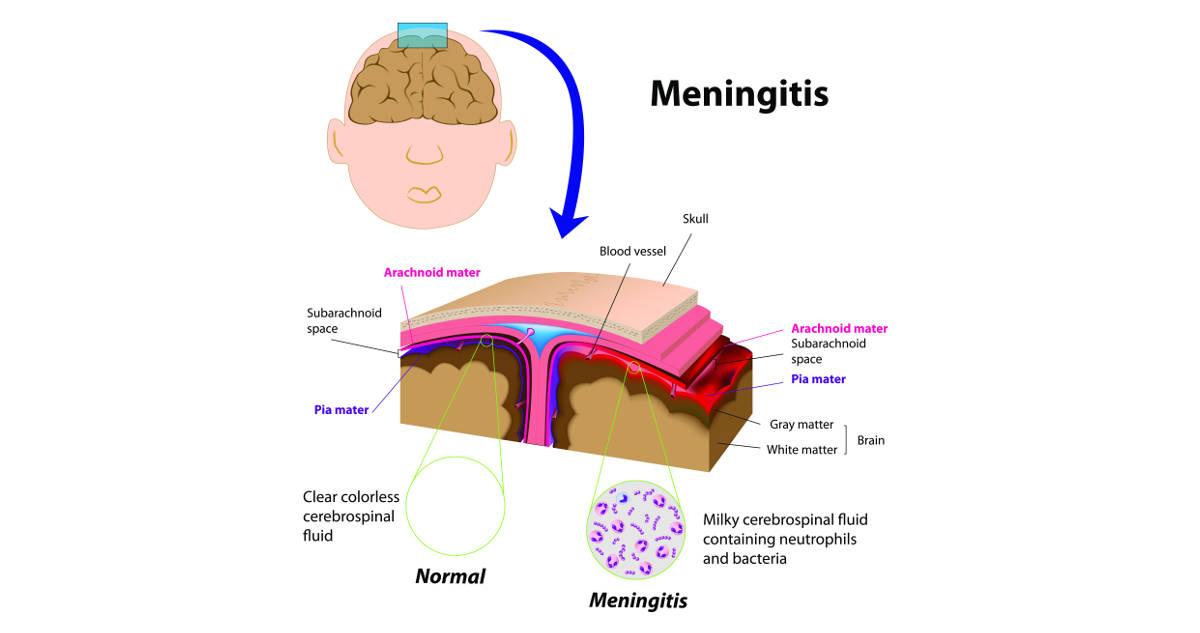
Meningitis is a serious and potentially life-threatening inflammation of the meninges the protective membranes covering the brain and spinal cord. It can be caused by bacteria, viruses, fungi, or parasites, but bacterial meningitis is the most dangerous form due to its rapid progression and high mortality rate.
Globally, pathogens such as Neisseria meningitidis, Streptococcus pneumoniae, and Haemophilus influenzae type b remain leading causes of severe bacterial meningitis, particularly among infants, adolescents, and immunocompromised individuals.
Protection against meningitis requires a multi-layered strategy that includes vaccination, infection control practices, early diagnosis, prompt antibiotic therapy, and public health awareness. Below is a comprehensive examination of the most effective preventive measures.
1. Vaccination: The Cornerstone of Prevention
Immunization is the single most effective intervention against bacterial meningitis. Several vaccines target the most common causative organisms:
-
Meningococcal vaccines protect against Neisseria meningitidis serogroups (A, B, C, W, Y). These are particularly recommended for adolescents, college students living in dormitories, military recruits, and travelers to high-risk regions such as sub-Saharan Africa’s “meningitis belt.”
-
Pneumococcal vaccines (PCV and PPSV) provide immunity against Streptococcus pneumoniae, which can also cause pneumonia and bloodstream infections.
-
Hib vaccine prevents meningitis caused by Haemophilus influenzae type b, significantly reducing childhood meningitis incidence worldwide.
Routine childhood immunization schedules in many countries include these vaccines. Adults with certain medical conditions such as asplenia, HIV infection, or complement deficiencies should consult healthcare providers for appropriate vaccination protocols.
2. Maintain Strong Personal Hygiene
Meningitis-causing pathogens often spread through respiratory droplets, saliva, or close personal contact. Adopting good hygiene practices can significantly reduce transmission risk:
-
Frequent and thorough handwashing with soap and water.
-
Avoid sharing utensils, water bottles, toothbrushes, or cigarettes.
-
Covering the mouth and nose while coughing or sneezing.
-
Disinfecting frequently touched surfaces.
These measures are particularly important in crowded environments such as schools, daycare centers, dormitories, and healthcare facilities.
3. Prompt Medical Attention for Symptoms
Early recognition of meningitis symptoms is crucial. Classic signs include:
-
High fever
-
Severe headache
-
Neck stiffness
-
Photophobia (light sensitivity)
-
Altered mental status
-
Nausea or vomiting
-
Seizures (in severe cases)
In infants, symptoms may present differently, including bulging fontanelles, irritability, or poor feeding.
Immediate medical evaluation is essential because bacterial meningitis can progress rapidly, leading to septic shock, neurological damage, or death within hours. Lumbar puncture and cerebrospinal fluid (CSF) analysis are standard diagnostic procedures.
4. Rapid Antibiotic Intervention
When bacterial meningitis is suspected, empiric intravenous antibiotic therapy must begin immediately often before laboratory confirmation. One of the most widely used first-line treatments is ceftriaxone, a third-generation cephalosporin with broad-spectrum bactericidal activity against many Gram-negative and Gram-positive organisms.
Hospitals, emergency departments, and healthcare providers rely on high-quality pharmaceutical sources to ensure timely access to life-saving medications. Working with a reliable ceftriaxone injection supplier is essential for maintaining adequate stock levels and meeting regulatory standards.
Quality assurance, cold-chain management, and compliance with Good Manufacturing Practices (GMP) are critical considerations when selecting a ceftriaxone injection supplier, particularly in regions prone to infectious disease outbreaks.
In outbreak scenarios, public health authorities may coordinate bulk procurement from a certified ceftriaxone injection supplier to ensure immediate distribution to treatment centers.
5. Chemoprophylaxis for Close Contacts
When a confirmed case of meningococcal meningitis occurs, close contacts such as household members, roommates, or intimate partners may require prophylactic antibiotics to prevent secondary transmission.
Common prophylactic agents include rifampin, ciprofloxacin, or ceftriaxone (administered intramuscularly in certain cases). Public health departments typically guide these interventions to limit outbreak spread.
6. Strengthening the Immune System
Although vaccination and antibiotics are primary tools, maintaining overall immune resilience contributes to infection resistance. Effective strategies include:
-
Balanced nutrition rich in vitamins A, C, D, and zinc.
-
Adequate sleep (7–9 hours for adults).
-
Regular physical activity.
-
Stress management.
-
Avoidance of smoking and excessive alcohol consumption.
Individuals with chronic illnesses should ensure optimal disease management to reduce susceptibility.
7. Infection Control in Healthcare Settings
Healthcare facilities play a critical role in preventing nosocomial transmission. Key protocols include:
-
Isolation precautions for suspected cases.
-
Proper use of personal protective equipment (PPE).
-
Sterile technique during invasive procedures.
-
Continuous staff education.
Hospitals must also ensure secure pharmaceutical supply chains. Partnering with a reputable ceftriaxone injection supplier ensures uninterrupted treatment availability, especially during peak seasons when meningitis cases may increase.
8. Public Health Surveillance and Outbreak Response
National and international health agencies, such as the World Health Organization, coordinate surveillance programs to monitor meningitis incidence and serogroup distribution. Data-driven strategies enable targeted vaccination campaigns and resource allocation.
Mass immunization drives have significantly reduced meningitis epidemics in high-risk regions. Community awareness campaigns further educate populations about symptom recognition and early care-seeking behavior.
9. Travel Precautions
Travelers to regions with endemic or epidemic meningitis should:
-
Receive recommended vaccinations at least 2–4 weeks before departure.
-
Carry vaccination documentation when required.
-
Avoid overcrowded gatherings during outbreaks.
-
Seek immediate care if symptoms develop abroad.
For pilgrims attending large religious gatherings, such as the Hajj in Saudi Arabia, meningococcal vaccination is often mandatory.
10. Special Considerations for High-Risk Groups
Certain populations require enhanced preventive measures:
-
Infants and young children: Follow pediatric vaccination schedules strictly.
-
Adolescents and young adults: Booster doses for meningococcal vaccines.
-
Elderly individuals: Pneumococcal vaccination updates.
-
Immunocompromised patients: Tailored vaccine and prophylaxis plans.
-
Laboratory personnel: Biosafety training and appropriate immunization.
Healthcare providers must evaluate risk profiles individually to optimize preventive care.
Conclusion
Protecting against meningitis demands an integrated, evidence-based approach that combines vaccination, hygiene, rapid diagnosis, and effective antimicrobial therapy. Among these measures, early administration of antibiotics such as ceftriaxone remains a cornerstone of bacterial meningitis management, making collaboration with a dependable ceftriaxone injection supplier critical for healthcare systems worldwide.
While meningitis can be devastating, it is largely preventable through proactive strategies and coordinated public health efforts. Awareness, preparedness, and timely intervention collectively form the strongest defense against this serious neurological infection.
- Managerial Effectiveness!
- Future and Predictions
- Motivatinal / Inspiring
- Fitness and Wellness
- Medical & Health
- Manufacturing
- Образование
- Real-Estate
- Food Industry
- Hospitality
- Online Games
- Sports
- Home Services
- Civil Engineering
- Safety and Protection
- Software Products & Services
- Fashion and Jewellery
- Artificial Intelligence
- Entrepreneurship
- Mentoring & Guidance
- Marketing
- Networking
- HR & Recruiting
- Literature
- Shopping
- Career Management & Advancement