

 SkillClick
Modern Total Knee Replacement in Islamabad Clinics
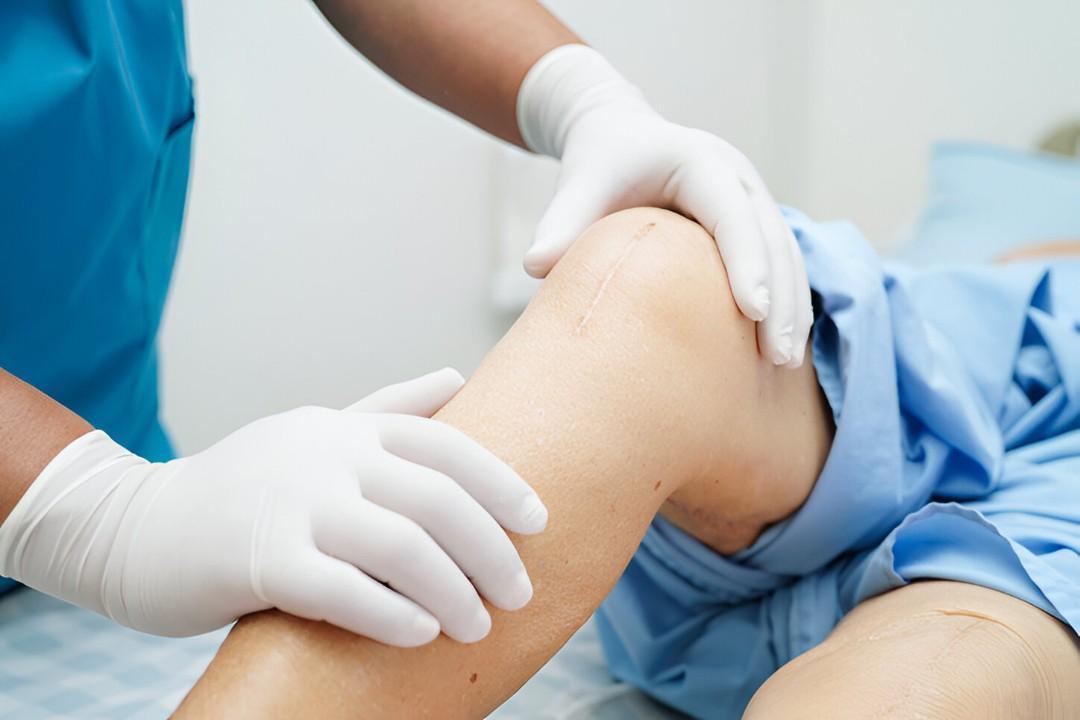
Chronic knee pain can make everyday activities, such as walking, climbing stairs, or standing for long periods, increasingly difficult. For those suffering from severe arthritis, joint damage, or long-term knee degeneration, total knee replacement in Islamabad offers a reliable solution to restore mobility, reduce pain, and improve quality of life.
With advances in orthopedic surgery, hospitals in Islamabad now provide safe procedures with state-of-the-art implants and structured post-surgery rehabilitation. Patients benefit from faster recovery, reduced complications, and improved long-term outcomes.
What Is Total Knee Replacement?
Total knee replacement (TKR), also called total knee arthroplasty, is a surgical procedure in which damaged bone and cartilage from the knee joint are removed and replaced with artificial components. These implants are made from medical-grade metal and high-quality plastic, designed to replicate natural knee movement.
The primary goals of the procedure are to:
-
Reduce chronic knee pain
-
Restore joint function and mobility
-
Improve the patient’s quality of life
TKR is recommended when non-surgical treatments, such as medications, injections, weight management, or total knee replacement physiotherapy, fail to provide relief.
Who Is a Candidate for Total Knee Replacement?
Not all knee pain requires surgery. Doctors typically consider total knee replacement for patients with:
-
Severe arthritis or joint degeneration
-
Chronic pain that limits daily activities
-
Stiffness or swelling that does not improve with non-surgical treatment
-
Difficulty walking, climbing stairs, or performing basic household tasks
-
Knee deformity that affects posture or balance
A thorough evaluation, including X-rays, medical history, and physical examination, helps orthopedic surgeons in Islamabad determine whether a patient is an ideal candidate.
Bilateral Total Knee Replacement
Patients with severe damage in both knees may require bilateral total knee replacement.
There are two main approaches:
-
Simultaneous bilateral surgery – Both knees are replaced during a single operation, reducing total recovery time.
-
Staged surgery – One knee is replaced first, followed by the second knee after a few months, which may be safer for patients with certain medical conditions.
Bilateral replacement is especially beneficial for patients struggling with limited mobility due to pain in both knees.
How Is Total Knee Replacement Performed?
The total knee replacement procedure typically takes 1–2 hours and involves:
-
Administering anesthesia (general or spinal)
-
Making an incision over the knee
-
Removing damaged cartilage and bone
-
Placing artificial implants to restore smooth joint movement
-
Closing the incision and applying bandages
Most patients stay in the hospital for 2–5 days depending on recovery and whether the procedure is single or bilateral.
Total Knee Replacement Cost in Islamabad
Cost is a major factor for many patients considering surgery. The total knee replacement cost in Islamabad ranges from PKR 500,000 to PKR 1,500,000.
Factors affecting the cost include:
-
Type of implant (standard or high-flex)
-
Hospital facilities and room type
-
Surgeon’s experience and expertise
-
Duration of hospital stay
-
Anesthesia and medication fees
-
Post-surgery physiotherapy
While the cost may seem high, the long-term benefits of reduced pain and improved mobility often outweigh the initial investment.
Recovery After Total Knee Replacement
Recovery after total knee replacement requires patience, proper care, and physiotherapy.
Typical recovery timeline:
-
Week 1: Walking with support devices, managing swelling and pain, starting gentle knee exercises
-
Weeks 2–6: Improved mobility, reduced dependence on walking aids, continued physiotherapy
-
After 3 months: Most patients regain independence in daily activities and see noticeable improvements in strength and flexibility
Full recovery can take up to 6–12 months, depending on age, overall health, and adherence to rehabilitation.
Total Knee Replacement Physiotherapy
Total knee replacement physiotherapy is critical for optimal recovery. Surgery alone does not restore full knee function; physiotherapy strengthens muscles, improves flexibility, and prevents stiffness.
Key physiotherapy goals include:
-
Restoring range of motion
-
Strengthening thigh, calf, and hip muscles
-
Improving walking and balance
-
Reducing post-operative swelling
-
Preventing complications such as blood clots
In Islamabad, most hospitals provide guided physiotherapy programs that start within 24 hours after surgery.
Balance Exercises After Total Knee Replacement
Rebuilding stability is an important part of rehabilitation. Balance exercises after total knee replacement improve coordination, reduce the risk of falls, and enhance confidence in movement.
Recommended exercises include:
-
Single-leg stand – Standing on the operated leg with support
-
Heel-to-toe walk – Walking in a straight line to improve coordination
-
Mini squats – Gentle squats to strengthen the quadriceps
-
Step-ups – Stepping onto a low platform for functional strength
-
Seated leg raises – Strengthening leg muscles while seated
Performing these exercises consistently under professional supervision ensures long-term joint stability.
Benefits of Total Knee Replacement
Patients often experience life-changing benefits after total knee replacement:
-
Significant reduction in chronic pain
-
Enhanced walking ability and mobility
-
Better sleep quality
-
Increased independence in daily tasks
-
Improved overall quality of life
Elderly patients and those with advanced arthritis benefit most, regaining functional mobility and confidence.
Risks and Complications
Though modern knee replacement surgeries are highly safe, some risks remain:
-
Infection at the surgical site
-
Blood clots
-
Implant loosening
-
Nerve or blood vessel injury
-
Stiffness or limited range of motion
Choosing an experienced orthopedic surgeon and following post-operative instructions greatly reduces these risks.
Life After Total Knee Replacement
Once fully recovered, patients can resume normal activities such as walking, climbing stairs, driving, and light exercise. High-impact sports like running or football are typically discouraged to preserve the longevity of the implant. Maintaining a healthy weight, continuing physiotherapy, and practicing safe movement habits help prolong implant life.
Conclusion
Total knee replacement in Islamabad offers a highly effective solution for individuals suffering from severe knee pain and limited mobility. With proper surgical expertise, structured total knee replacement physiotherapy, and consistent balance exercises after total knee replacement, patients can regain independence and enjoy a pain-free lifestyle.
The total knee replacement cost may range from PKR 500,000 to PKR 1,500,000, but the long-term benefits of improved mobility and quality of life make it a worthwhile investment. Whether considering a single knee replacement or bilateral total knee replacement, consulting a qualified orthopedic specialist is the first step toward restoring mobility and living without pain.
- Managerial Effectiveness!
- Future and Predictions
- Motivatinal / Inspiring
- Fitness and Wellness
- Medical & Health
- Manufacturing
- Education
- Real-Estate
- Food Industry
- Hospitality
- Online Games
- Sports
- Home Services
- Civil Engineering
- Safety and Protection
- Software Products & Services
- Fashion and Jewellery
- Artificial Intelligence
- Entrepreneurship
- Mentoring & Guidance
- Marketing
- Networking
- HR & Recruiting
- Literature
- Shopping
- Career Management & Advancement