

 SkillClick
PRP vs Stem Cell Therapy: What’s the Difference?
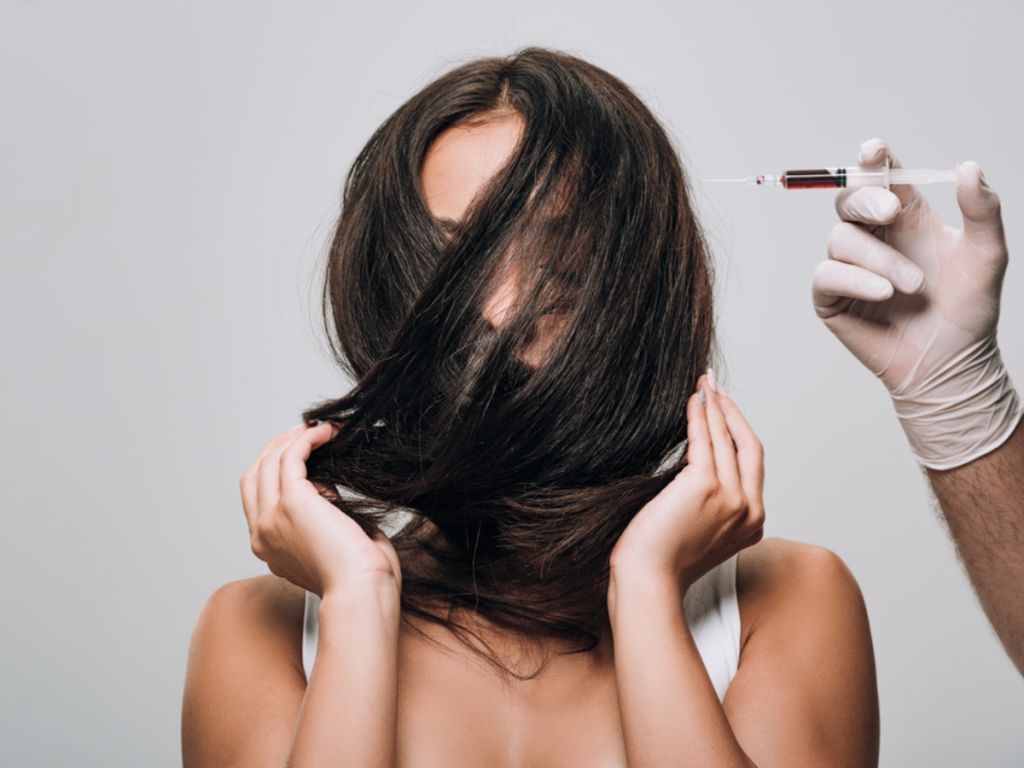
Hair loss and thinning have led to the development of advanced regenerative treatments, including PRP and stem cell therapy. Many patients considering PRP in Islamabad want to understand how it compares to stem cell therapy and which option is better suited for their needs. While both therapies aim to stimulate hair growth and improve follicle health, they differ in their approach, procedure, and potential outcomes. Understanding these differences can help patients make informed decisions about hair restoration.
Understanding PRP Therapy
PRP, or Platelet-Rich Plasma therapy, is a non-surgical treatment that utilizes the patient’s own blood to stimulate hair follicles. Blood is drawn from the patient and processed in a centrifuge to isolate platelet-rich plasma, which contains a high concentration of growth factors. These growth factors are then injected into the scalp, where they activate dormant hair follicles, improve blood circulation, and strengthen existing hair. PRP is particularly effective for early to moderate hair thinning and works naturally to enhance hair density.
What Is Stem Cell Therapy for Hair Loss?
Stem cell therapy involves the use of stem cells, which have the unique ability to develop into different types of cells and stimulate tissue regeneration. In hair restoration, stem cells can be derived from the patient’s fat tissue (adipose-derived stem cells) or other sources. These cells are processed and injected into the scalp to promote hair follicle regeneration, improve vascularization, and support new hair growth. Stem cell therapy is considered more advanced than PRP and may be used for patients with more extensive hair loss.
Key Differences Between PRP and Stem Cell Therapy
While PRP and stem cell therapy share the goal of hair restoration, several differences set them apart:
1. Source of Regenerative Material
-
PRP: Uses platelets from the patient’s blood.
-
Stem Cell Therapy: Uses stem cells, typically derived from fat tissue, bone marrow, or other regenerative sources.
2. Mechanism of Action
-
PRP: Stimulates existing hair follicles and strengthens them using growth factors.
-
Stem Cell Therapy: Can potentially generate new hair follicles and rejuvenate severely damaged or dormant follicles.
3. Invasiveness
-
PRP: Minimally invasive with injections only.
-
Stem Cell Therapy: Requires tissue extraction (fat or bone marrow) before processing, making it slightly more invasive.
4. Effectiveness
-
PRP: Effective for early to moderate hair loss where follicles are still active.
-
Stem Cell Therapy: May offer better results for advanced hair thinning or areas with dormant follicles, though research is still emerging.
5. Recovery Time
-
PRP: Minimal downtime; patients can resume daily activities immediately.
-
Stem Cell Therapy: Slightly longer recovery due to tissue harvesting but generally well-tolerated.
6. Cost and Accessibility
-
PRP: Widely available and less expensive compared to stem cell therapy.
-
Stem Cell Therapy: More advanced, less commonly available, and usually costlier.
Benefits of PRP Therapy
PRP therapy offers several advantages for hair restoration:
-
Non-surgical and minimally invasive
-
Uses the patient’s own blood, reducing the risk of allergic reactions
-
Promotes natural hair regrowth and strengthens existing follicles
-
Can be combined with hair transplants or microneedling for enhanced results
-
Quick procedure with minimal downtime
Benefits of Stem Cell Therapy
Stem cell therapy is considered a cutting-edge option for hair restoration:
-
Potential to generate new hair follicles
-
Effective for patients with more extensive hair thinning
-
Supports tissue regeneration and improves scalp health
-
Can be combined with other regenerative treatments to maximize results
Ideal Candidates for PRP and Stem Cell Therapy
PRP: Best suited for individuals with early to moderate hair loss who still have active hair follicles. Both men and women can benefit, particularly those seeking a non-surgical option to slow hair loss and improve hair thickness.
Stem Cell Therapy: Recommended for patients with advanced hair thinning or dormant follicles who may not respond optimally to PRP alone. Patients seeking long-term regeneration and restoration in larger areas of hair loss may consider stem cell therapy.
Safety and Side Effects
Both PRP and stem cell therapy are generally safe when performed by experienced professionals:
-
PRP Side Effects: Mild redness, swelling, tenderness, or temporary bruising at injection sites. Rarely, minor headaches or discomfort may occur.
-
Stem Cell Therapy Side Effects: Mild pain at the tissue extraction site, swelling, or redness at injection points. Serious complications are rare when performed under sterile conditions.
FAQs About PRP and Stem Cell Therapy
Can PRP and stem cell therapy be combined?
Yes, combining PRP with stem cell therapy can enhance outcomes, as PRP stimulates follicles while stem cells support regeneration.
How many PRP sessions are needed?
Most patients require 3-6 sessions spaced 4-6 weeks apart for optimal results.
Is stem cell therapy painful?
Tissue extraction may cause mild discomfort, but anesthesia or numbing techniques minimize pain.
Who is an ideal candidate for PRP?
Patients with early to moderate hair thinning and active follicles see the best results.
Are the results permanent?
Both therapies require follow-up sessions to maintain long-term results, but they significantly improve hair density and quality over time.
Final Thoughts
PRP and stem cell therapy offer innovative, regenerative solutions for hair loss. PRP is a safe, minimally invasive option ideal for early-stage thinning and strengthening existing follicles, while stem cell therapy provides advanced regenerative potential for more severe hair loss cases. Understanding the differences between these treatments helps patients choose the most suitable option for their needs. With expert care, advanced techniques, and personalized treatment plans, SKN Cosmetics is a trusted provider of both PRP hair therapy and cutting-edge regenerative hair restoration solutions in Pakistan.
- Managerial Effectiveness!
- Future and Predictions
- Motivatinal / Inspiring
- Fitness and Wellness
- Medical & Health
- Manufacturing
- Education
- Real-Estate
- Food Industry
- Hospitality
- Online Games
- Sports
- Home Services
- Civil Engineering
- Safety and Protection
- Software Products & Services
- Fashion and Jewellery
- Artificial Intelligence
- Entrepreneurship
- Mentoring & Guidance
- Marketing
- Networking
- HR & Recruiting
- Literature
- Shopping
- Career Management & Advancement