

 SkillClick
Best Commercial Vans to Rent for Moving, Delivery, and Construction Work
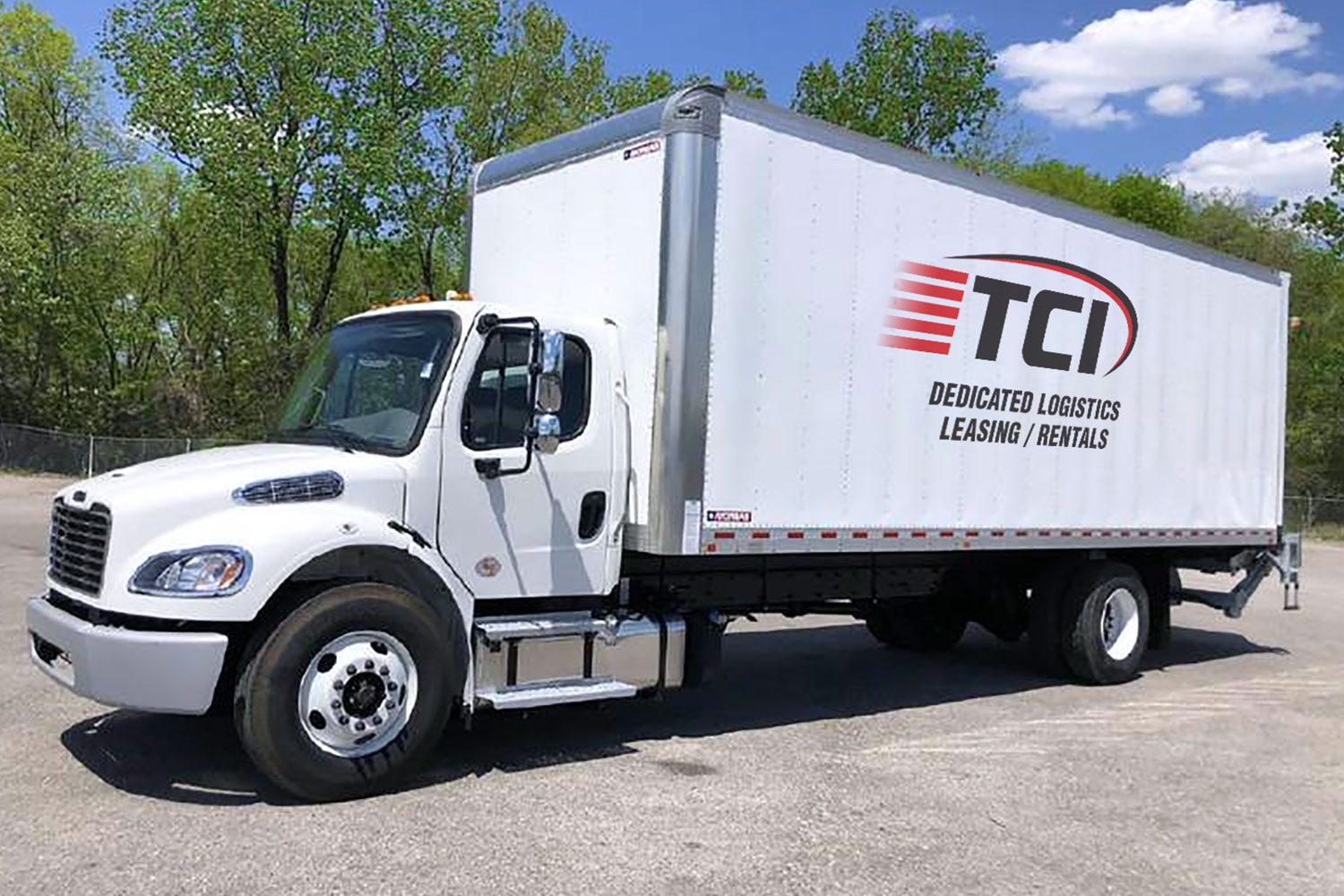
Choosing the right van can make or break daily operations for moving jobs, delivery routes, and construction projects. Each task places different demands on space, payload, durability, and ease of access. A van that works well for furniture moving may slow down a delivery schedule or struggle on a construction site. Understanding the strengths of each van type helps businesses reduce downtime, control costs, and work more efficiently.
Modern commercial vans are designed to handle specific workloads. Some focus on maximum cargo volume, while others prioritize maneuverability or heavy-duty performance. This guide explains the best commercial vans to rent for moving, delivery, and construction work, with clear comparisons and practical insights to support informed decisions.
Understanding Commercial Van Categories
Commercial vans generally fall into three main categories. Each category serves a different operational need and work environment.
Cargo vans are enclosed vehicles built for hauling goods safely. They offer secure storage and protection from weather. Box vans provide a separate cargo box that maximizes usable space. Flatbed and chassis vans support heavy materials and specialized equipment.
Selecting the right category depends on cargo size, weight, and handling requirements. It also depends on how often loading and unloading happens during the day.
Best Vans for Moving Jobs
Moving work demands space, easy loading, and stability on longer routes. Vans used for moving should reduce handling time and protect items during transport.
Box Vans for Large Moves
Box vans are a top choice for residential and office moves. Their rectangular cargo area allows efficient stacking and better use of vertical space.
Key advantages include:
-
High cargo volume for bulky furniture
-
Flat interior walls that simplify packing
-
Rear lift gates on many models
-
Better weight distribution for long-distance moves
These vans work well for full-home relocations or commercial office moves where multiple trips must be avoided.
High-Roof Cargo Vans for Smaller Moves
High-roof cargo vans offer a balance between capacity and maneuverability. They are ideal for apartment moves or partial relocations.
They stand out because:
-
Drivers can stand upright inside the cargo area
-
Access is easier in urban areas
-
Fuel consumption is lower than box vans
-
Parking is simpler in residential zones
High-roof vans reduce physical strain on workers and speed up loading when space is limited.
Best Vans for Delivery Services
Delivery operations focus on speed, efficiency, and frequent stops. Vans must be easy to drive, quick to load, and reliable under daily use.
Standard Cargo Vans for Urban Delivery
Standard cargo vans are widely used for last-mile delivery. They are compact enough for city driving yet large enough for daily routes.
Their strengths include:
-
Smooth handling in traffic
-
Sliding side doors for quick access
-
Adequate space for parcels and packages
-
Lower operating costs compared to larger vehicles
In the second paragraph of this section, many businesses rely on Commercial Van Rental to adjust fleet size during peak delivery seasons without long-term commitments.
Compact Vans for Light Delivery
Compact vans suit courier services and small parcel delivery. They are especially useful in dense urban areas.
Benefits include:
-
Excellent fuel efficiency
-
Easy parking in tight spaces
-
Lower rental and maintenance costs
-
Faster turnaround for short routes
While capacity is limited, compact vans maximize efficiency for lightweight goods and short-distance deliveries.
Best Vans for Construction Work
Construction work places the highest demands on durability and payload. Vans must carry tools, materials, and sometimes crew members across rough sites.
Heavy-Duty Cargo Vans
Heavy-duty cargo vans are built for tough conditions. They handle higher payloads and repeated loading without compromising performance.
These vans are suitable because:
-
Reinforced suspensions support heavy tools
-
Wide rear openings fit large equipment
-
Durable interiors resist wear and tear
-
Stable handling on uneven surfaces
They are ideal for contractors who need enclosed storage and consistent performance.
Flatbed and Chassis Vans
Flatbed and chassis vans serve specialized construction needs. They allow oversized materials to be transported with ease.
Common use cases include:
-
Transporting lumber and steel beams
-
Carrying generators or compressors
-
Supporting custom tool bodies
-
Loading with forklifts on-site
These vans trade weather protection for flexibility and load capacity.
Key Factors to Consider When Choosing a Commercial Van
Selecting the right van involves more than choosing a size. Several operational factors influence performance and cost.
Payload and Cargo Volume
Payload refers to how much weight a van can safely carry. Cargo volume measures available space. Both must match job requirements.
Overloading reduces safety and increases wear. Underutilizing space leads to inefficiency and higher costs.
Access and Loading Features
Frequent loading requires smart access design. Side doors, rear doors, and lift gates affect workflow speed.
Consider:
-
Number of stops per day
-
Size and shape of cargo
-
Use of dollies or forklifts
-
Height restrictions at delivery locations
The right features save time and reduce physical strain.
Fuel Efficiency and Route Type
Fuel costs add up quickly for commercial use. Urban routes favor smaller, efficient vans. Highway routes can support larger vehicles with stable cruising.
Choosing a van that matches route patterns improves cost control and reliability.
Comparing Van Types by Use Case
|
Use Case |
Recommended Van Type |
Primary Benefit |
|
Apartment Moving |
High-Roof Cargo Van |
Balance of space and mobility |
|
Full Home Moving |
Box Van |
Maximum cargo capacity |
|
Urban Delivery |
Standard Cargo Van |
Efficient city handling |
|
Courier Services |
Compact Van |
Fuel efficiency and speed |
|
Construction Tools |
Heavy-Duty Cargo Van |
Strength and durability |
|
Building Materials |
Flatbed Van |
Oversized load handling |
This comparison highlights how different vans excel in specific roles.
Safety and Compliance Considerations
Safety should never be overlooked. Vans must comply with local regulations and load limits. Proper weight distribution prevents accidents and mechanical issues.
Drivers should be trained on:
-
Load securing methods
-
Vehicle height and clearance
-
Safe braking distances
-
Daily inspection routines
A well-matched van improves safety outcomes and reduces liability.
Making the Right Rental Decision
Renting allows flexibility as project demands change. Businesses can scale fleets up or down based on workload without long-term investment.
The right choice depends on:
-
Type of work performed
-
Duration of the project
-
Driving environment
-
Budget constraints
Evaluating these factors ensures the van supports productivity rather than limiting it.
Final Thoughts
The best commercial vans to rent for moving, delivery, and construction work are those that align with specific operational needs. Box vans maximize space for moving. Cargo vans balance efficiency and capacity for delivery. Heavy-duty and flatbed vans handle the demands of construction sites.
By understanding van categories, workload requirements, and key selection factors, businesses can choose vehicles that improve efficiency and reduce operational stress. A well-chosen van becomes a reliable partner in daily work rather than a constraint.
- Managerial Effectiveness!
- Future and Predictions
- Motivatinal / Inspiring
- Fitness and Wellness
- Medical & Health
- Manufacturing
- Education
- Real-Estate
- Food Industry
- Hospitality
- Online Games
- Sports
- Home Services
- Civil Engineering
- Safety and Protection
- Software Products & Services
- Fashion and Jewellery
- Artificial Intelligence
- Entrepreneurship
- Mentoring & Guidance
- Marketing
- Networking
- HR & Recruiting
- Literature
- Shopping
- Career Management & Advancement