

 SkillClick
Managing Mechanical Loads in Inflatable Products
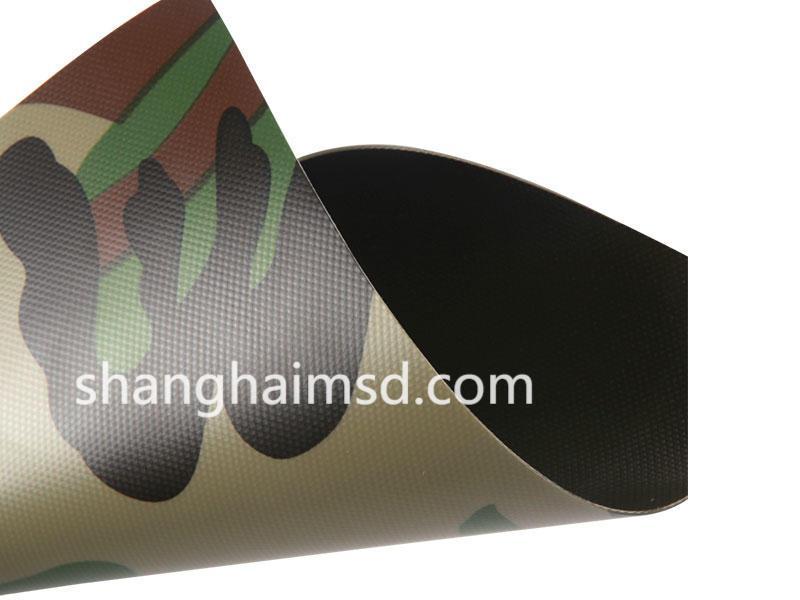
As inflatable products move into more demanding environments, designers increasingly focus on how PVC Inflatable Fabric behaves when subjected to combined mechanical stress and environmental exposure, recognizing that material selection directly influences both functional reliability and manufacturing efficiency.
Material behavior under pressure is shaped by how the polymer matrix interacts with reinforcement fibers. PVC formulations must accommodate controlled expansion without inducing localized thinning. When pressure rises, stress naturally concentrates at curvature transitions and seam junctions, making uniform polymer distribution essential. Even minor inconsistencies in coating thickness can amplify deformation during prolonged inflation cycles.
Reinforcement architecture contributes significantly to structural consistency. The orientation of yarns affects how loads are absorbed and redistributed across inflated surfaces. Balanced textile structures help prevent directional distortion, ensuring that inflatable forms retain their intended geometry. This is particularly important for products requiring precise dimensional alignment, such as modular air-filled components or display structures.
Manufacturing processes translate theoretical material design into practical performance. Coating precision determines how effectively the polymer encapsulates fibers, protecting them from abrasion while preserving flexibility. Lamination parameters must be carefully aligned with fabric properties to avoid internal stress buildup. Inconsistent bonding can create micro-gaps that compromise air retention over time.
Seam formation is one of the most critical fabrication stages. Welding parameters must be adapted to material thickness, reinforcement density, and surface treatments. Excessive heat may weaken polymer chains, while insufficient energy leads to incomplete fusion. Reliable seam integrity relies on repeatable thermal control and accurate pressure application during joining.
Surface performance extends beyond appearance. Inflatable materials are frequently handled, folded, and transported, exposing them to friction and contact stress. A well-engineered surface layer minimizes abrasion while maintaining compatibility with welding processes. Anti-slip or matte finishes may be desirable for specific applications, but they must not interfere with sealing performance.
Testing protocols provide insight into how materials respond over extended service periods. Fatigue testing simulates repeated inflation and deflation, revealing gradual changes in elasticity and bonding strength. Environmental exposure tests assess resistance to temperature variation and humidity, helping predict material behavior in outdoor or semi-controlled environments.
Application requirements vary widely across industries. Recreational inflatables emphasize comfort and resilience, while commercial or architectural inflatables prioritize dimensional stability and surface durability. Material configurations must be adjusted accordingly, demonstrating the importance of aligning design intent with fabrication strategy.
Shanghai MSD plays a supporting role in this process by assisting customers in aligning material characteristics with production realities. Through coordinated evaluation of polymer behavior, fabric reinforcement, and processing compatibility, the company helps manufacturers reduce trial cycles and achieve more consistent outcomes across different inflatable product categories.
Storage stability is another critical consideration. Inflatable materials may remain folded for extended periods before deployment. Resistance to plasticizer migration and surface blocking ensures that materials remain workable when needed, avoiding delays or defects during final assembly.
As inflatable designs continue to evolve in scale and complexity, the interplay between material engineering and process discipline becomes increasingly important. A clear understanding of how composition, reinforcement, and fabrication influence real-world performance allows manufacturers to innovate while maintaining confidence in reliability.For further discussion on material construction, processing considerations, and practical applications, additional technical insights are available through Shanghai MSD’s industry overview at https://www.shanghaimsd.com/news/what-is-pvc-inflatable-fabric-everything-you-need-to-know.html .
- Managerial Effectiveness!
- Future and Predictions
- Motivatinal / Inspiring
- Fitness and Wellness
- Medical & Health
- Manufacturing
- Education
- Real-Estate
- Food Industry
- Hospitality
- Online Games
- Sports
- Home Services
- Civil Engineering
- Safety and Protection
- Software Products & Services
- Fashion and Jewellery
- Artificial Intelligence
- Entrepreneurship
- Mentoring & Guidance
- Marketing
- Networking
- HR & Recruiting
- Literature
- Shopping
- Career Management & Advancement