

 SkillClick
The Art and Craft of Bird Taxidermy and Dog Taxidermy
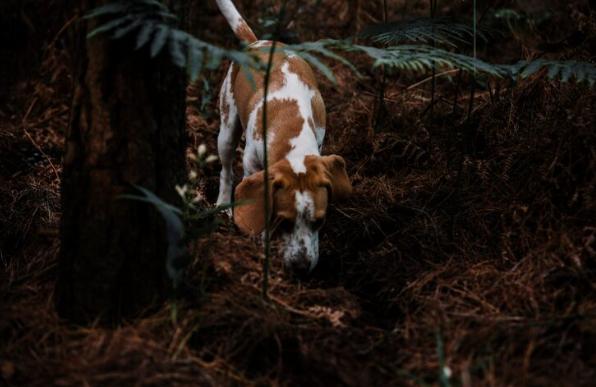
Taxidermy, the art of preserving and mounting animals for display, has fascinated humans for centuries. It allows us to celebrate the beauty and uniqueness of wildlife while creating a tangible connection to nature. Among the various forms of taxidermy, bird taxidermy and dog taxidermy hold a special place due to the distinctive challenges they present and the personal connections they evoke. Both require skill, patience, and an eye for detail, but they serve different purposes and appeal to different audiences.
Understanding Bird Taxidermy
Bird taxidermy is one of the most intricate and delicate forms of animal preservation. Birds, with their lightweight bodies, feathers, and intricate skeletal structures, demand a high level of precision. A taxidermist working on a bird must have an intimate understanding of avian anatomy, feather placement, and posture to capture the bird’s natural elegance.
Birds are often mounted in lifelike poses, such as perched on a branch or captured mid-flight, which requires careful planning and artistry. Feathers must be cleaned and preserved carefully, as they can be fragile and prone to damage. In addition, birds are frequently displayed for educational purposes, in museums, or for personal collections, which means that accuracy in coloration, posture, and size is essential.
Collectors and enthusiasts often turn to bird taxidermy to preserve rare or favorite species. This practice allows people to study birds closely, appreciate their beauty, and create a permanent reminder of encounters with wildlife. Furthermore, bird taxidermy plays a crucial role in scientific research. Preserved specimens provide valuable data for ornithologists studying species distribution, morphology, and even historical population changes.
The Appeal of Dog Taxidermy
While bird taxidermy often focuses on aesthetic beauty and scientific study, dog taxidermy is more personal and sentimental. Many dog owners form deep bonds with their pets, and the idea of preserving a beloved companion through taxidermy can offer comfort after loss. Dog taxidermy allows owners to remember their pet in a lifelike form, capturing personality traits and expressions that made their dog special.
Dogs come in a wide variety of breeds, sizes, and shapes, making dog taxidermy both challenging and rewarding. A skilled taxidermist must pay close attention to facial expressions, body posture, and fur texture to create a realistic and emotionally resonant result. The goal is to preserve not just the physical appearance of the dog but also a sense of its character and spirit.
Unlike birds, dogs are often preserved in poses that reflect their personality, such as sitting, lying down, or standing alert. The process requires careful skinning, preservation of the fur, and the creation of a lifelike form that supports the skin naturally. Many pet owners choose custom dog taxidermy services to ensure the end product matches their memory and emotional connection with their dog.
Techniques and Challenges in Bird and Dog Taxidermy
Both bird taxidermy and dog taxidermy share foundational techniques but differ in complexity and focus. The first step in any taxidermy project is skinning and preserving the animal. This involves removing internal tissues while keeping the skin intact. For birds, this is particularly delicate, as their bones are fragile and feathers must remain undamaged. For dogs, the challenge lies in preserving a larger, denser skin and fur coat while achieving natural expression and posture.
Next, the taxidermist creates a form or mannequin to support the skin. In bird taxidermy, lightweight foam or wire structures are commonly used, allowing for realistic poses with minimal bulk. In dog taxidermy, more robust forms are required, often sculpted to match the dog’s exact dimensions. This ensures that the finished mount looks lifelike from all angles.
Attention to detail is critical in both types of taxidermy. For birds, feather alignment, coloration, and natural posture make the difference between a scientific specimen and a work of art. For dogs, facial expression, paw positioning, and fur texture capture the essence of the animal’s personality.
Preservation methods also vary. Taxidermists use chemicals to prevent decay, treat skin and feathers, and protect against pests. In both bird and dog taxidermy, proper handling and storage after the mounting process are essential to maintain longevity.
Ethical Considerations
Both bird and dog taxidermy raise ethical considerations. For birds, it is crucial that the specimen comes from a legal and ethical source. Many taxidermists only work with naturally deceased birds or those obtained through legal channels to ensure compliance with wildlife protection laws.
For dogs, taxidermy is typically an elective choice made by pet owners, and ethical concerns focus on ensuring humane and respectful treatment of the animal during the preservation process. Transparent communication between the taxidermist and the client is vital to set expectations and ensure a meaningful outcome.
Uses and Popularity
Bird taxidermy is popular among ornithologists, hunters, collectors, and interior designers seeking to add natural beauty to a space. Museums and educational institutions often rely on bird taxidermy to provide realistic displays and learning opportunities for visitors.
Dog taxidermy, on the other hand, is more personal. Many pet owners commission dog taxidermy to memorialize a beloved pet, making it a unique form of tribute. Some dog owners also use it as part of home decor, blending sentimental value with artistic presentation.
Both forms of taxidermy are also celebrated as art. Some contemporary taxidermists push the boundaries of traditional mounting techniques, creating highly detailed and lifelike sculptures that are appreciated as fine art pieces. Whether for education, commemoration, or decoration, the appeal of taxidermy continues to grow.
Conclusion
The worlds of bird taxidermy and dog taxidermy highlight the intersection of art, science, and emotion. Bird taxidermy captures the grace and beauty of wildlife, serving educational and aesthetic purposes. Dog taxidermy preserves memories and celebrates the bond between humans and their pets. Both forms demand technical expertise, attention to detail, and ethical responsibility.
For enthusiasts, collectors, or pet owners, taxidermy offers a unique way to engage with animals long after they are gone. It is a timeless craft that honors life, fosters appreciation for the natural world, and transforms the ordinary into a lasting piece of art. Whether through the delicate feathers of a bird or the familiar fur of a loyal dog, taxidermy allows us to hold onto the beauty, personality, and spirit of animals in ways that words alone cannot capture.
- Managerial Effectiveness!
- Future and Predictions
- Motivatinal / Inspiring
- Fitness and Wellness
- Medical & Health
- Manufacturing
- Education
- Real-Estate
- Food Industry
- Hospitality
- Online Games
- Sports
- Home Services
- Civil Engineering
- Safety and Protection
- Software Products & Services
- Fashion and Jewellery
- Artificial Intelligence
- Entrepreneurship
- Mentoring & Guidance
- Marketing
- Networking
- HR & Recruiting
- Literature
- Shopping
- Career Management & Advancement