

 SkillClick
What medications are used in the IVF procedure
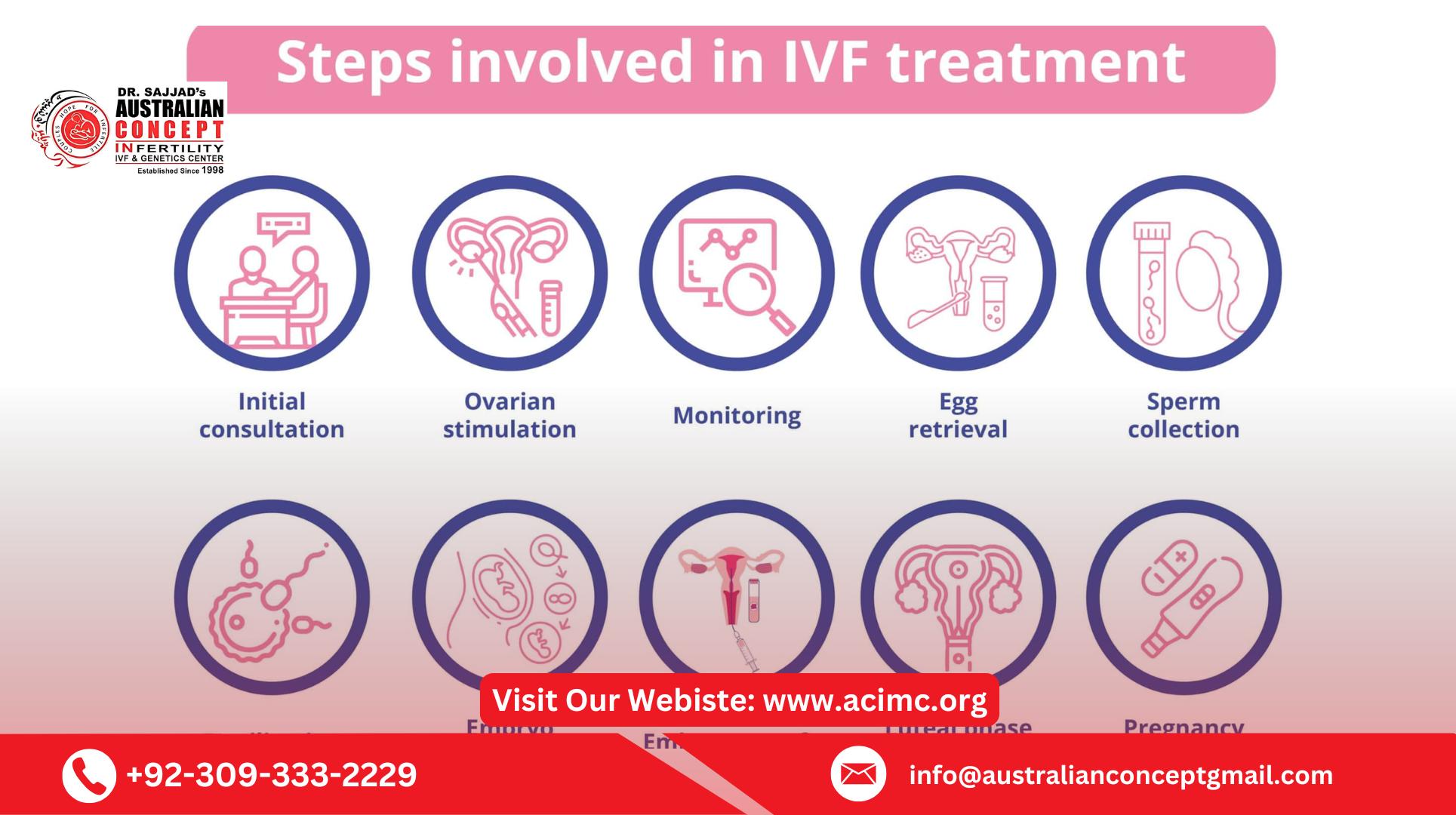
IVF is a carefully planned fertility treatment in Lahore that uses different medications at each stage of the process. These medicines help stimulate the ovaries, control ovulation, support fertilization, and maintain early pregnancy. Understanding IVF medications can help couples feel more confident and prepared before starting treatment.
Why Medications Are Important in IVF
In a natural cycle, a woman usually releases one egg. IVF medications help the ovaries produce multiple eggs, which increases the chances of creating healthy embryos. Other medicines help control hormone levels, time ovulation correctly, and support embryo implantation.
All medications are prescribed based on age, hormone levels, and medical history.
1. Ovarian Stimulation Medications
These medicines stimulate the ovaries to produce more eggs.
Gonadotropins
These are injectable hormones that contain FSH or a combination of FSH and LH. They help follicles grow and mature.
Common purposes:
-
Increase egg production
-
Improve egg quality
-
Support multiple follicle development
Doctors monitor follicle growth with ultrasounds during this phase.
2. Medications to Prevent Early Ovulation
During IVF, it is important to prevent the eggs from releasing too early.
GnRH Agonists and Antagonists
These medications control hormone release from the brain and prevent premature ovulation.
They help:
-
Control timing of egg retrieval
-
Improve cycle management
-
Reduce cycle cancellation
3. Trigger Injection
When the eggs are ready, a trigger shot is given.
hCG or GnRH Trigger
This injection helps the eggs mature and prepares them for retrieval. Timing is very important, as egg collection happens about 34–36 hours after the trigger.
4. Medications Used After Egg Retrieval
Progesterone Support
Progesterone helps prepare the uterus for embryo implantation.
It may be given as:
-
Vaginal suppositories
-
Oral tablets
-
Injections
Progesterone continues until pregnancy is confirmed.
5. Medications for Embryo Transfer Support
After embryo transfer, additional hormone support may be prescribed.
These medicines:
-
Strengthen the uterine lining
-
Support early pregnancy
-
Improve implantation chances
Doctors adjust dosages based on individual response.
6. Other Supportive Medications
Some patients may also receive:
-
Antibiotics to prevent infection
-
Blood thinners for clotting issues
-
Supplements such as folic acid
-
Mild pain relief medication
These are prescribed only when needed.
Are IVF Medications Safe?
IVF medications are generally safe when used under medical supervision. Side effects may include bloating, mood changes, or mild discomfort. Doctors closely monitor patients to reduce risks such as ovarian hyperstimulation syndrome.
Conclusion:
Medications play a vital role in the IVF procedure. From ovarian stimulation to pregnancy support, each medicine has a specific purpose. With proper monitoring and expert guidance, IVF medications help create the best conditions for successful fertilization and implantation.
- Managerial Effectiveness!
- Future and Predictions
- Motivatinal / Inspiring
- Fitness and Wellness
- Medical & Health
- Manufacturing
- Educaţie
- Real-Estate
- Food Industry
- Hospitality
- Online Games
- Sports
- Home Services
- Civil Engineering
- Safety and Protection
- Software Products & Services
- Fashion and Jewellery
- Artificial Intelligence
- Entrepreneurship
- Mentoring & Guidance
- Marketing
- Networking
- HR & Recruiting
- Literature
- Shopping
- Career Management & Advancement