

 SkillClick
SMART TRAFFIC LIGHTS CONTROL USING IoT
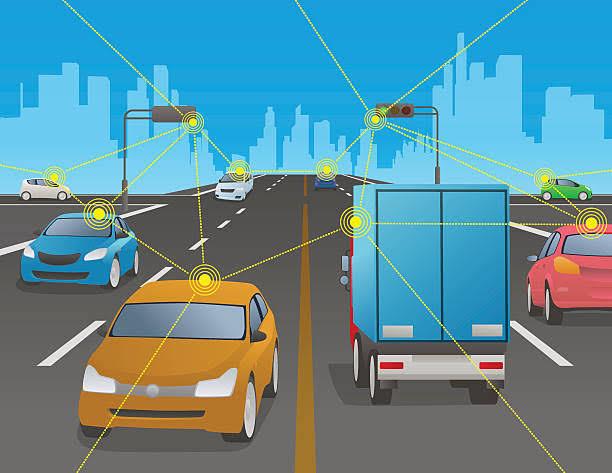
The Smart Traffic Light Control System using IoT is a cutting-edge solution that integrates sensing technologies, embedded systems, communication protocols, and cloud computing to create an adaptive and intelligent traffic management system. Unlike static signal controllers, the IoT-based model uses real-time data acquisition and automated control logic to dynamically manage traffic lights and improve traffic flow at intersections.
System Architecture and Components:
1. Sensing Layer:
Inductive loop sensors, infrared (IR) sensors, ultrasonic sensors, and camera-based image processing systems are deployed at intersections.
These sensors collect data such as vehicle count, lane occupancy, speed, and presence of pedestrians.
2. Processing Unit (Edge Device):
A microcontroller or microprocessor-based unit (e.g., Raspberry Pi, Arduino, or ESP32) is used at the local level to process sensor data.
It performs real-time analytics and executes logic to control signal phases (green, yellow, red) based on input conditions.
3. Communication Layer:
The system employs wireless protocols such as Wi-Fi, Zigbee, LoRaWAN, or 5G to transmit data to and from the central traffic control unit or cloud infrastructure.
These communication technologies ensure low-latency and reliable data exchange among sensors, edge devices, and cloud services.
4. Cloud Computing & Analytics:
Data from multiple intersections is transmitted to a cloud platform (e.g., AWS IoT, Microsoft Azure IoT Hub) for centralized monitoring, long-term storage, and advanced analytics.
Machine learning models can be applied to forecast traffic patterns, detect anomalies, and optimize traffic light scheduling over time.
5. Control Logic & Actuation:
A priority-based control algorithm is implemented to adjust signal durations depending on the traffic density in each direction.
Emergency vehicle detection is integrated via RFID/GPS modules. When such a vehicle approaches, the system grants it green light priority by overriding the default sequence.
6. User Interface & Dashboard:
A web-based dashboard or mobile app allows traffic administrators to view live status, override controls, analyze congestion data, and receive alerts for unusual traffic behavior.
Technical Workflow:
1. Sensors detect real-time traffic conditions.
2. Data is sent to the microcontroller, where a local algorithm evaluates vehicle density.
3. Based on this analysis, the controller adjusts the signal timing (e.g., increases green light duration for heavily congested lanes).
4. The edge device transmits collected data to the cloud for storage and additional computation.
5. Traffic managers can visualize all data through an intuitive user interface.
6. Over time, predictive models optimize traffic flow based on historical data trends.
Benefits:
Adaptive Control: Adjusts signal timing dynamically rather than using fixed schedules.
Reduced Congestion: Minimizes idle time and vehicle pile-ups.
Fuel Efficiency: Decreases unnecessary engine idling and emissions.
Emergency Handling: Grants priority to ambulances and fire trucks.
Data-Driven Management: Enables planning and infrastructure development using analytics.
Conclusion:
The IoT-based smart traffic light control system utilizes a distributed sensor network, intelligent edge processing, and cloud-based optimization to modernize traffic management. By integrating sensing, communication, and computing technologies, this system enhances safety, reduces environmental impact, and supports the infrastructure of smart cities.
- Managerial Effectiveness!
- Future and Predictions
- Motivatinal / Inspiring
- Fitness and Wellness
- Medical & Health
- Manufacturing
- Education
- Real-Estate
- Food Industry
- Hospitality
- Online Games
- Sports
- Home Services
- Civil Engineering
- Safety and Protection
- Software Products & Services
- Fashion and Jewellery
- Artificial Intelligence
- Entrepreneurship
- Mentoring & Guidance
- Marketing
- Networking
- HR & Recruiting
- Literature
- Shopping
- Career Management & Advancement