How to Design Booklet Boxes: The Complete Step-by-Step Guide - Information Khabar
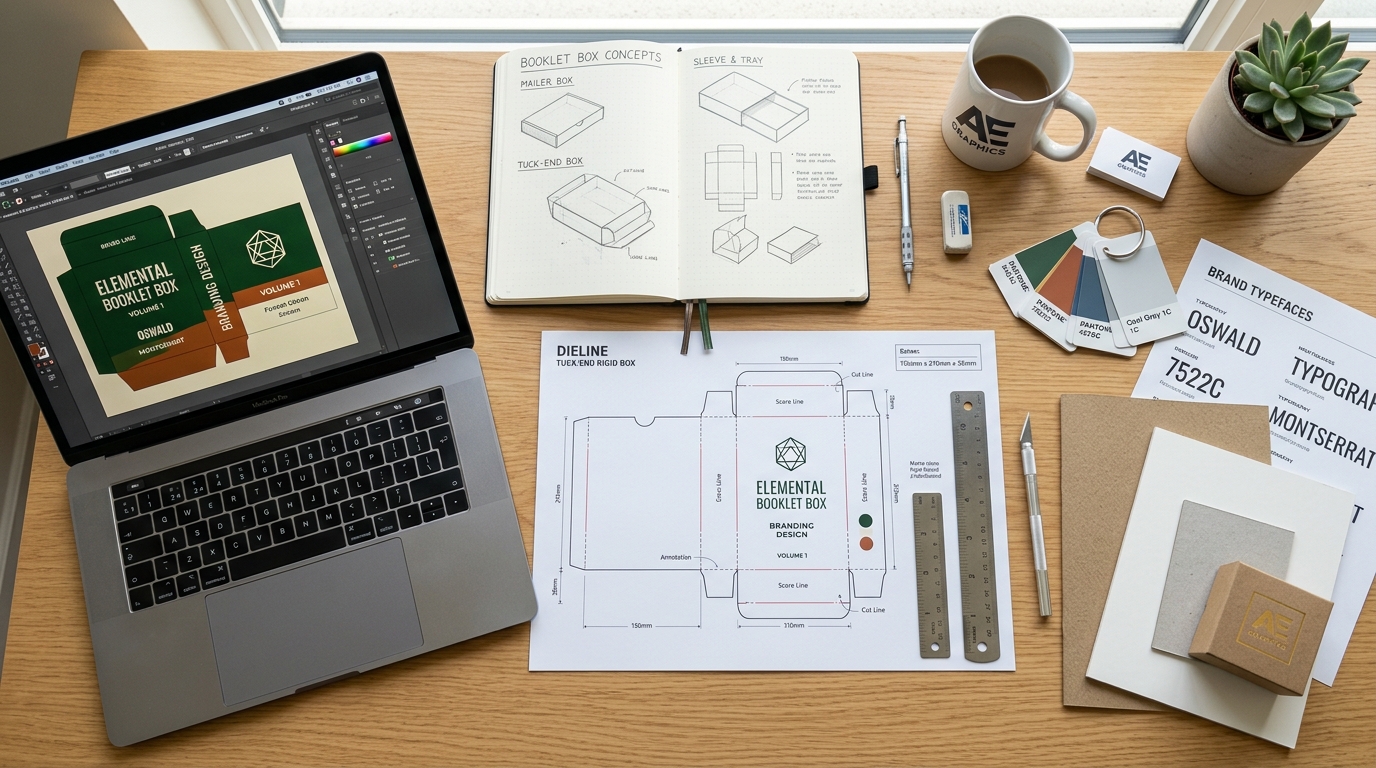
When you spend hours perfecting the pages of a catalog, instruction manual, or corporate portfolio, the last thing you want is for it to arrive damaged or look unprofessional. The box you choose to hold your printed materials is just as important as the materials themselves. Designing the perfect box requires a balance of structure, protection, and visual appeal. A great design keeps your pages safe while telling your brand’s story before the customer even opens the flap. In this comprehensive guide, we will walk you through exactly how to design booklet boxes from scratch. You will learn how to choose the right materials, measure for a perfect fit, select eye-catching print finishes, and create an unboxing experience your customers will remember. Understanding the Purpose of Your Box Before you pick a color or choose a font, you need to understand exactly what your box needs to achieve. Every design choice stems from the primary goal of the packaging. For context on how packaging influences customer perception, check out How Packaging Affects Buying Decisions (Entrepreneur). Who is the End User? Think about who will be receiving this box. Are you mailing a product catalog directly to consumers? Are you handing out luxury portfolios to high-end corporate clients at an event? If you are shipping the box in the mail, your design needs to prioritize durability and structural integrity. If you are handing it directly to a client, you can focus more on premium textures and sleek presentation. Knowing your audience helps you make smart decisions about materials and finishing options later in the process. What is the Core Message? Your packaging sets expectations. If you sell eco-friendly outdoor gear, a glossy, plastic-coated box will confuse your customers. Instead, an unbleached, natural kraft box communicates your brand values perfectly. Decide what feeling you want your customer to have when they hold the box, and let that guide your design process. Choosing the Right Materials The foundation of any great box is the material it is made from. The stock you choose impacts the durability, the print quality, and the overall feel of the product. When you design custom Booklet Packaging, you must select a material that supports the weight of the paper inside without tearing or bending. Books and catalogs can be heavy, so flimsy paperboard will not work well. For an in-depth look at packaging materials, see Types of Packaging Material (PMG). Here is a breakdown of the most common materials used for this type of box: Material Type Strength Level Best Print Quality Ideal Use Case 14pt-18pt Cardstock Light to Medium High (smooth surface) Lightweight manuals, single-item handouts Corrugated Cardboard Extremely High Medium (due to fluting) Mailing heavy catalogs, shipping e-commerce materials Rigid Paperboard High Very High (wrapped in paper) Luxury portfolios, VIP kits, high-end presentations Kraft Paper Medium Medium (absorbs ink) Eco-friendly brands, rustic aesthetics Durability vs. Aesthetics You often have to balance strength with beauty. Corrugated cardboard offers the best protection for shipping, but it has a slightly ribbed texture that can make highly detailed, photographic prints look less crisp. Rigid boxes look incredibly premium but cost more to produce and ship. Choose the material that best fits your budget and your distribution method. Sizing and Structural Design A box that is too big allows the contents to slide around, leading to bent corners and scuffed covers. A box that is too small simply will not close properly. Measuring for a Perfect Fit To get the perfect dimensions, you need to measure the exact length, width, and depth of your printed materials. Measure the Length and Width: Lay your booklet flat on a table and measure the top-to-bottom and side-to-side dimensions. Add about 1/8 to 1/4 of an inch to these measurements so the customer can easily slide the item in and out. Measure the Depth (Spine): Stack your materials exactly as they will go into the box. Measure the thickness. Again, add a tiny bit of clearance so the box does not bulge. Selecting a Box Style The structural style of the box determines how it opens and closes. Common styles include: Tuck-End Boxes: These open at the top or bottom with a simple flap. They are cost-effective and easy to assemble. Mailer Boxes: These feature a hinged lid that opens to reveal the entire product at once. They are excellent for unboxing experiences and are very sturdy for shipping. Sleeve and Tray: The inner tray slides out of an outer sleeve. This style feels very premium and interactive. Visual Design and Branding Elements Once you have the structure down, it is time to make the box look amazing. The visual design should be a direct extension of your brand identity. Utilizing Color Psychology Colors trigger emotional responses. Use your brand colors, but consider how they look in a physical format. A bright yellow box screams energy and youthfulness, while a matte black box communicates luxury, exclusivity, and sophistication. Do not overwhelm the design. Sometimes, a minimalist approach—like a solid color with a single logo in the center—makes a much stronger impact than a box covered in busy patterns. For further inspiration and color impact guidelines, refer to Color Psychology in Packaging (Color Matters). Typography and Text Placement Keep your text highly legible. The outside of the box should have minimal text—usually just your logo, a tagline, or a website URL. Use the back or the inside of the lid to share more information. Ensure the fonts you choose for the box match the fonts used inside the printed materials. This creates a cohesive, professional experience from the outside in. Printing Techniques and Finishes The way ink is applied to your box changes its entire look. Modern printing offers several ways to make your design stand out. CMYK vs. Pantone Most boxes are printed using the CMYK process, which mixes cyan, magenta, yellow, and black to create a full spectrum of colors. This is cost-effective and great for photos or complex designs. However, if your


 SkillClick