

 SkillClick
How to Improve Efficiency in Machining CNC Parts
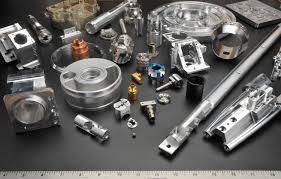
Improving efficiency in machining CNC parts is essential for manufacturers who want to boost productivity, reduce waste, and stay competitive in the modern precision engineering world. With the growing demand for high-quality components across industries such as aerospace, automotive, medical, and electronics, CNC machining facilities must continually refine their workflows. Efficiency does not simply mean faster output—it encompasses accuracy, consistency, cost-effectiveness, and the ability to meet tight deadlines without compromising on quality. By introducing smarter processes and advanced technologies, companies can elevate both performance and profitability.
In today’s manufacturing landscape, customers expect faster turnaround times and flawless parts, pushing CNC shops to optimize every step of production. From machine setup to tooling strategy and automation, efficiency can be improved in numerous strategic ways. The more streamlined the machining operations become, the easier it is to maintain quality while reducing overall production time. This article explores actionable methods that enhance efficiency when machining CNC parts, helping businesses maximize results while minimizing downtime and operational costs.
Optimize Machine Setup and Planning
One of the most effective ways to improve efficiency in machining CNC parts is to optimize the initial setup and planning stages. Machine setup often consumes a significant portion of production time, and poor planning can lead to delays, rework, and costly errors. By standardizing setup procedures and organizing fixturing, tools, and work instructions in advance, manufacturers can reduce unnecessary downtime. Clear documentation and setup sheets also ensure consistent results, even when different machinists operate the same equipment.
Additionally, planning should include detailed programming strategies that anticipate possible challenges during material removal. Computer-aided manufacturing (CAM) software allows engineers to simulate operations before machining begins, minimizing the risk of collisions and inefficient toolpaths. Proper pre-planning ensures that machines run smoothly, tool changes occur seamlessly, and setups are repeatable. When combined, these measures significantly enhance productivity and accuracy in machining CNC parts, ultimately producing better outcomes with fewer delays.
Use Advanced Tooling and Cutting Strategies
Tooling plays an essential role in achieving high efficiency during machining CNC parts. Modern cutting tools made from carbide, coated materials, or specialized geometries dramatically improve machining speeds and tool life. Choosing the right tool for the material—whether aluminum, titanium, stainless steel, or plastics—ensures optimal performance and reduces tool wear. High-performance end mills, drills, and inserts can significantly shorten cycle times while maintaining excellent surface finishes. Investing in advanced tooling is a strategic decision that pays off through smoother operations and reduced tool change frequency.
In addition to high-quality tools, advanced cutting strategies are vital for enhancing efficiency. Techniques such as high-efficiency machining (HEM), trochoidal milling, and adaptive clearing optimize tool engagement and reduce heat buildup, enabling faster feeds and deeper cuts. These methods also help maintain tool stability and prevent premature failure. Implementing sophisticated machining strategies ensures more consistent material removal and lowers the risk of tool breakage, ultimately improving productivity when machining CNC parts.
Integrate Automation and Smart Manufacturing Technology
Integrating automation in machining processes is a powerful way to improve efficiency in machining CNC parts. Automated systems, such as robotic arms for material loading and unloading, help machines run longer without interruptions. This reduces manual labor, lowers human error, and enables round-the-clock production. Automation can also be used for tool presetting, inspection tasks, and transferring workpieces between stations, making production flow more seamless and cost-efficient. When repetitive tasks are automated, machinists can focus their skills on more complex and value-driven operations.
Smart manufacturing technologies like IoT sensors, machine monitoring software, and predictive maintenance tools further enhance productivity. These systems collect real-time data on machine performance, tool usage, and operational patterns, allowing operators to detect inefficiencies early. Predictive maintenance minimizes unexpected machine breakdowns by identifying wear and tear before failure occurs. With improved machine reliability and real-time oversight, companies can maximize uptime and maintain consistent production quality, creating a more efficient environment for machining CNC parts.
Improve Material Handling and Workflow Layout
Material handling inefficiencies often go unnoticed, yet they significantly impact production time when machining CNC parts. A disorganized workspace forces operators to spend unnecessary time searching for tools, materials, or equipment. By implementing a lean manufacturing layout, factories can ensure tools and materials are always within easy reach. Using color-coded labels, tool carts, and standardized storage systems simplifies workflow organization. Minimizing unnecessary movement boosts operator productivity and helps maintain a steady machining rhythm.
In addition, streamlining the shop floor layout improves the flow of materials between different machining stations. Reducing the distance between closely related operations, such as milling, drilling, and inspection, eliminates bottlenecks and speeds up production. Incorporating automated conveyors or modular workstations enhances efficiency even further. When operators can move materials quickly and safely, the overall production process becomes smoother, enabling faster turnaround times for machining CNC parts while maintaining high quality standards.
Enhance Quality Control and Inspection Practices
Quality control is essential in improving efficiency during machining CNC parts, as it prevents costly rework and ensures parts meet specifications. Incorporating in-process inspection methods such as probing systems, laser measurement, and coordinate measuring machines (CMMs) helps identify defects early. By detecting errors during machining rather than after completion, manufacturers can fix issues immediately and avoid scrapping entire batches of parts. Automated inspection tools also reduce manual measurement time and improve consistency.
Beyond advanced tools, establishing a strong quality assurance workflow is key. This includes defining clear inspection criteria, monitoring critical dimensions, and maintaining calibration of measuring instruments. Training machinists to interpret quality data allows them to make informed adjustments to programs or tooling, improving long-term results. When quality control becomes an integral part of the machining cycle, businesses can reduce production costs, minimize waste, and ensure reliable output in machining CNC parts, contributing to higher customer satisfaction and better overall performance.
Conclusion
Improving efficiency in machining CNC parts requires a combination of advanced technology, smart planning, and well-structured workflows. From optimizing machine setup and utilizing high-performance tooling to adopting automation and improving quality inspection, every enhancement contributes to greater productivity and precision. By continuously refining these processes, manufacturers can maintain competitive advantages, deliver superior products, and meet the demands of fast-paced industries. With a commitment to innovation and operational excellence, CNC machining operations can achieve higher efficiency while maintaining exceptional levels of accuracy and reliability.
- Managerial Effectiveness!
- Future and Predictions
- Motivatinal / Inspiring
- Fitness and Wellness
- Medical & Health
- Manufacturing
- Education
- Real-Estate
- Food Industry
- Hospitality
- Online Games
- Sports
- Home Services
- Civil Engineering
- Safety and Protection
- Software Products & Services
- Fashion and Jewellery
- Artificial Intelligence
- Entrepreneurship
- Mentoring & Guidance
- Marketing
- Networking
- HR & Recruiting
- Literature
- Shopping
- Career Management & Advancement