

 SkillClick
Acne on Your Cheeks - Skincare Tips That Work Fast
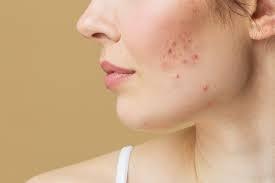
Dealing with Acne on Your Cheeks can be frustrating, especially when painful breakouts affect your confidence and daily life. Cheek acne often appears unexpectedly and may linger longer than pimples in other areas. Understanding the causes and applying the right skincare routine can make a significant difference.
In this guide, we’ll explore why cheek breakouts happen, what triggers them, and the most effective treatments to clear your skin quickly and safely.
What Causes Acne on Your Cheeks?
Before treating Acne on Your Cheeks, it’s important to understand why it develops. Cheek acne can result from several internal and external factors.
One common cause is excess oil production. When your sebaceous glands produce too much sebum, it mixes with dead skin cells and clogs pores. This creates the perfect environment for bacteria to grow, leading to inflammation and breakouts.
Another reason for Acne on Your Cheeks is prolonged contact with dirty surfaces. Pillowcases, mobile phones, makeup brushes, and even your hands can transfer bacteria and dirt to your skin. If you frequently touch your face, you increase the risk of clogged pores.
Hormonal changes also play a major role. Fluctuations during puberty, menstruation, pregnancy, or stress can stimulate oil production. This hormonal imbalance often triggers recurring Acne on Your Cheeks.
Diet and lifestyle habits can contribute as well. High-sugar foods, dairy products, and lack of hydration may worsen skin inflammation. Poor sleep and chronic stress further aggravate acne by increasing cortisol levels.
Identifying your specific triggers is the first step toward long-term clear skin.
Fast-Acting Skincare Routine to Treat Acne on Your Cheeks
If you want visible improvement quickly, consistency is key. A targeted skincare routine can significantly reduce Acne on Your Cheeks within weeks.
Start with a gentle cleanser. Wash your face twice daily using a mild, non-comedogenic cleanser that removes dirt and excess oil without stripping your skin. Harsh scrubbing can worsen irritation and spread bacteria.
Next, incorporate active ingredients. Salicylic acid penetrates deep into pores and dissolves oil buildup. Benzoyl peroxide helps kill acne-causing bacteria. Retinoids promote cell turnover, preventing clogged pores and reducing inflammation.
Moisturizing is essential—even if you have oily skin. Skipping moisturizer can cause your skin to produce more oil, worsening Acne on Your Cheeks. Choose an oil-free, lightweight formula.
Sun protection is another critical step. Many acne treatments increase sun sensitivity. Use a non-comedogenic sunscreen daily to prevent dark spots and post-inflammatory hyperpigmentation.
Finally, avoid picking or squeezing pimples. This can push bacteria deeper into the skin and cause scarring.
Lifestyle Changes That Support Clear Skin and Health and Wellness
While topical treatments help, internal balance is equally important in managing Acne on Your Cheeks.
Your overall Health and Wellness directly affects your skin. A balanced diet rich in fruits, vegetables, lean protein, and healthy fats supports skin repair and reduces inflammation. Omega-3 fatty acids, found in fish and flaxseeds, may help calm irritated skin.
Hydration is often overlooked. Drinking enough water helps flush toxins and maintain skin elasticity. Dehydrated skin can appear dull and more prone to breakouts.
Stress management is another crucial factor. Chronic stress triggers hormonal fluctuations that can worsen Acne on Your Cheeks. Practices like meditation, regular exercise, and proper sleep can stabilize hormones and improve skin clarity.
Hygiene habits also matter. Change pillowcases at least twice a week. Clean makeup brushes regularly. Sanitize your phone screen daily. These small actions significantly reduce bacterial transfer.
By aligning skincare with healthy lifestyle choices, you create an environment where clear skin becomes sustainable.
Ingredients to Look For (and Avoid) When Treating Acne on Your Cheeks
Choosing the right products can accelerate healing. When shopping for acne treatments, look for proven ingredients that target inflammation and clogged pores.
Salicylic acid is ideal for oily and combination skin. It exfoliates inside the pores, preventing future breakouts. Benzoyl peroxide reduces bacteria and works well for inflamed pimples.
Niacinamide is another powerful ingredient. It helps regulate oil production, reduces redness, and strengthens the skin barrier. Retinol increases cell turnover and minimizes clogged pores, making it effective against persistent Acne on Your Cheeks.
On the other hand, avoid heavy oils, thick creams, and alcohol-based products. Comedogenic ingredients can clog pores and worsen breakouts. Alcohol may dry out your skin excessively, leading to rebound oil production.
Fragrance and harsh exfoliants should also be limited. Over-exfoliating can damage your skin barrier and trigger more Acne on Your Cheeks.
Always patch-test new products before applying them to your entire face.
When to See a Dermatologist for Acne on Your Cheeks
Sometimes, over-the-counter products aren’t enough. If your Acne on Your Cheeks is severe, painful, or leaving scars, professional help may be necessary.
A dermatologist can prescribe stronger treatments such as topical antibiotics, oral medications, or hormonal therapy. These options target the root cause rather than just the symptoms.
If you notice cystic acne—large, painful lumps under the skin—it’s best not to attempt self-treatment. Improper handling can lead to permanent scarring.
Persistent Acne on Your Cheeks that doesn’t respond to routine care may also indicate underlying hormonal or medical issues. Early intervention can prevent long-term skin damage.
Professional treatments like chemical peels, laser therapy, or light therapy may also speed up recovery in resistant cases.
Seeking expert advice ensures you receive a personalized treatment plan tailored to your skin type and acne severity.
Final Thoughts
Managing Acne on Your Cheeks requires patience, consistency, and a balanced approach. By understanding the causes, adopting a targeted skincare routine, and improving lifestyle habits, you can achieve noticeable improvement.
Quick fixes may provide temporary relief, but long-term success depends on treating both internal and external triggers. Focus on gentle cleansing, effective active ingredients, proper hydration, and stress management.
Clear skin is possible with the right strategy. Stay consistent, avoid harsh treatments, and seek professional guidance when necessary. With time and dedication, you can reduce Acne on Your Cheeks and restore your confidence naturally.
- Managerial Effectiveness!
- Future and Predictions
- Motivatinal / Inspiring
- Fitness and Wellness
- Medical & Health
- Manufacturing
- EĞİTİM BİLGİLERİ
- Real-Estate
- Food Industry
- Hospitality
- Online Games
- Sports
- Home Services
- Civil Engineering
- Safety and Protection
- Software Products & Services
- Fashion and Jewellery
- Artificial Intelligence
- Entrepreneurship
- Mentoring & Guidance
- Marketing
- Networking
- HR & Recruiting
- Literature
- Shopping
- Career Management & Advancement