

 SkillClick
Common Steel Pipe Failures in Saudi Construction Projects and How to Prevent Them
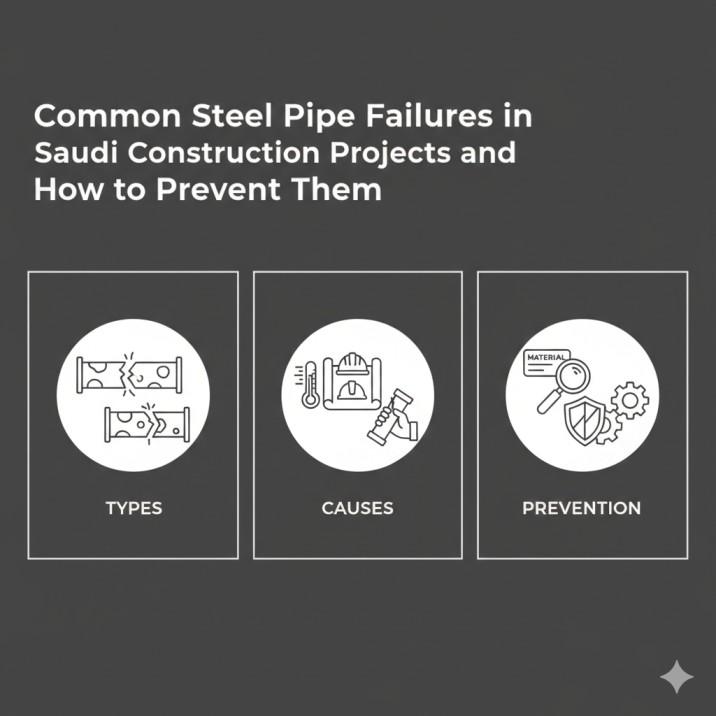
Steel pipes are a critical component in Saudi Arabia’s construction industry, supporting structural frameworks, water distribution, HVAC systems, and industrial installations. Despite their strength and reliability, steel pipe failures are still a common issue on many projects across the Kingdom. These failures often lead to costly repairs, project delays, and long-term safety risks.
Hire pipe manufacturing company in Saudi Arabia Understanding why steel pipes fail — and how to prevent these issues — can significantly improve project performance and lifecycle durability.
1. Corrosion Due to Harsh Environmental Conditions
The Problem
Saudi Arabia’s climate exposes steel pipes to extreme heat, high humidity in coastal areas, and saline soil conditions. Over time, this accelerates corrosion, especially when pipes are buried underground or installed outdoors without proper protection.
Corrosion weakens pipe walls, reduces load capacity, and can eventually cause leaks or structural collapse.
Prevention
-
Use corrosion-resistant coatings or galvanization where exposure is expected
-
Select pipe grades suitable for high-temperature and coastal environments
-
Apply protective wraps for underground installations
-
Conduct regular inspections in high-risk zones
Proper material selection at the planning stage is the most effective way to reduce corrosion-related failures.
2. Incorrect Pipe Grade Selection
The Problem
One of the most common mistakes in construction projects is using the wrong pipe grade for the application. Pipes designed for low-pressure use are sometimes installed in structural or high-stress environments, leading to deformation or cracking.
This issue is often driven by cost-cutting or lack of technical evaluation during procurement.
Prevention
-
Match pipe grades to structural, mechanical, or fluid requirements
-
Ensure compliance with recognized standards used in Saudi projects
-
Involve engineers in material selection, not just procurement teams
Using properly specified steel pipes ensures long-term reliability and safety.
3. Poor Welding and Joint Failures
The Problem
Welding defects are a major source of steel pipe failure. Inadequate welding techniques, unqualified welders, or improper inspection can result in weak joints that fail under pressure or load.
Joint failures are especially dangerous in load-bearing structures and pressurized systems.
Prevention
-
Use certified welders with experience in steel pipe applications
-
Follow approved welding procedures and specifications
-
Perform non-destructive testing (NDT) where required
-
Avoid rushed installation schedules that compromise workmanship
Strong joints are just as important as pipe quality itself.
4. Inadequate Wall Thickness for Load Requirements
The Problem
Square tube Steel pipes with insufficient wall thickness may appear suitable initially but fail when subjected to real-world loads, vibration, or thermal expansion. This is particularly common in multi-story buildings and industrial projects.
Thin-walled pipes may bend, buckle, or crack under stress.
Prevention
-
Calculate load requirements accurately during design
-
Consider safety margins for future load increases
-
Avoid substituting thinner pipes without engineering approval
Choosing the correct wall thickness ensures structural integrity over the entire service life.
5. Improper Storage and Handling on Site
The Problem
Steel pipes are often damaged before installation due to poor storage practices. Leaving pipes exposed to moisture, stacking them incorrectly, or dragging them across rough surfaces can cause dents, coating damage, and early corrosion.
These issues may not be visible immediately but lead to premature failure.
Prevention
-
Store pipes on raised platforms away from soil and standing water
-
Use protective padding during transportation
-
Inspect pipes before installation for damage
Good handling practices protect material quality and reduce waste.
6. Lack of Compliance with Saudi Standards
The Problem
Failure to follow Saudi-approved standards and specifications can result in pipe systems that are incompatible with local regulations and environmental demands. Non-compliant materials often fail inspections or underperform in service.
Prevention
-
Use steel pipes that comply with applicable Saudi and international standards
-
Verify material certifications before procurement
-
Work with suppliers experienced in Saudi construction requirements
Compliance ensures consistency, safety, and regulatory approval.
7. Absence of Regular Inspection and Maintenance
The Problem
Many projects focus on installation but overlook ongoing inspection. Small defects such as surface rust, minor cracks, or joint stress can grow into major failures if left unattended.
Prevention
-
Implement scheduled inspections for critical pipe systems
-
Address minor issues early to prevent escalation
-
Document inspection results for future maintenance planning
Preventive maintenance is far more cost-effective than emergency repairs.
Final Thoughts
Steel pipe failures in Saudi construction projects are rarely caused by a single factor. In most cases, they result from a combination of environmental exposure, incorrect material selection, poor workmanship, and lack of maintenance.
By understanding these common failure points and applying preventive measures early in the project lifecycle, contractors and engineers can improve safety, reduce long-term costs, and ensure reliable performance.
Investing in quality materials, proper installation, and regular inspections is not an expense — it is a safeguard for project success.
- Managerial Effectiveness!
- Future and Predictions
- Motivatinal / Inspiring
- Fitness and Wellness
- Medical & Health
- Manufacturing
- Education
- Real-Estate
- Food Industry
- Hospitality
- Online Games
- Sports
- Home Services
- Civil Engineering
- Safety and Protection
- Software Products & Services
- Fashion and Jewellery
- Artificial Intelligence
- Entrepreneurship
- Mentoring & Guidance
- Marketing
- Networking
- HR & Recruiting
- Literature
- Shopping
- Career Management & Advancement