

 SkillClick
Can Kunliwelding ER4943 Solve Your Hot Cracking Problems?
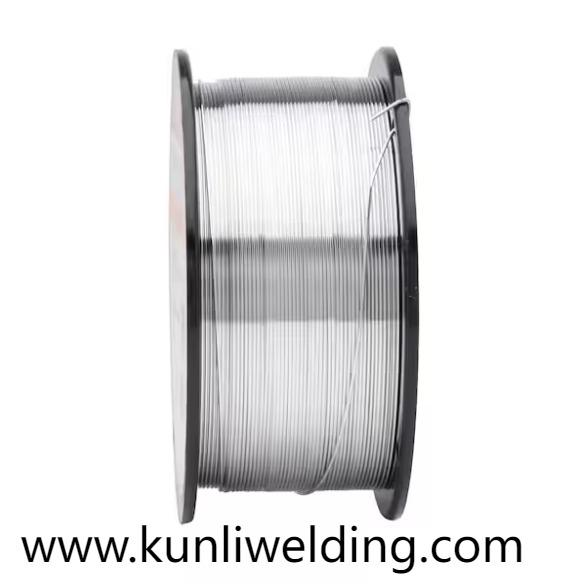
When working with aluminum alloys, fabricators often encounter a persistent challenge that can compromise structural integrity and waste valuable materials. Hot cracking remains one of the primary concerns in aluminum welding applications, but Kunli Aluminum Welding Wire ER4943 has emerged as a practical solution to address this issue. This filler metal offers welders a reliable approach to joining aluminum components while significantly reducing the risk of solidification cracking during the cooling phase.
Hot cracking occurs when molten metal solidifies and contracts, creating internal stresses that exceed the material's strength. This phenomenon typically appears as small fissures along the weld centerline or at the fusion boundary. The problem intensifies when welding certain aluminum alloys that contain elements creating a wide solidification temperature range. Understanding why this happens helps explain how specialized filler metals can make a substantial difference in welding outcomes.
The chemistry behind crack prevention lies in silicon content. Silicon modifies the solidification behavior of the weld pool, creating a narrower temperature range during which the material transitions from liquid to solid. This controlled solidification reduces the time window when the material remains vulnerable to tensile stresses. A silicon content between four and five percent creates an advantageous microstructure that accommodates thermal contraction without fracturing.
Traditional filler metals often struggle when joining dissimilar aluminum alloys or working with base materials prone to cracking. The challenge becomes particularly acute with alloys containing magnesium, which tend to form low melting point compounds at grain boundaries. These compounds remain liquid after the surrounding material solidifies, creating weak pathways where cracks can propagate. Strategic filler metal selection interrupts this failure mechanism.
Temperature management during welding influences crack susceptibility. Rapid cooling rates increase internal stresses, while excessive heat input can widen the vulnerable temperature range. Aluminum Welding Wire ER4943 accommodates various heat input levels without compromising crack resistance. This flexibility allows welders to adjust parameters based on joint configuration, material thickness, and production requirements without sacrificing weld quality.
Joint design also affects cracking tendency. Restrained joints that prevent free contraction during cooling amplify internal stresses. Filler metals with crack resistant properties compensate for geometric constraints that welders cannot always control. This capability proves valuable in complex assemblies where joint access or fixture requirements limit design options.
The microstructure formed during solidification determines mechanical properties and crack resistance. A fine grain structure distributes stresses more evenly than coarse grains, reducing stress concentration points where cracks initiate. Silicon promotes fine grain formation by creating numerous nucleation sites during solidification. This metallurgical effect occurs automatically as the weld pool cools, requiring no additional process steps.
Welding procedural factors interact with filler metal chemistry to influence outcomes. Travel speed, arc voltage, and shielding gas composition all contribute to weld pool behavior. However, even when process parameters vary due to operator technique or equipment differences, crack resistant filler metals maintain performance consistency. This tolerance for procedural variation reduces defect rates in production environments.
Base metal dilution affects final weld composition. As the welding arc melts base material, it mixes with filler metal in the weld pool. The resulting composition represents a blend of both materials. Aluminum Welding Wire ER4943 maintains crack resistance even when significant base metal dilution occurs, making it suitable for applications where dilution levels fluctuate.
Porosity and cracking often appear together because both defects share common causes. Gas entrapment creates stress concentration points that encourage crack propagation. Filler metals that flow smoothly and wet base material thoroughly minimize gas entrapment, indirectly reducing crack formation. This relationship demonstrates how metallurgical properties influence multiple quality indicators simultaneously.
Repair welding presents heightened crack risk because existing structures contain residual stresses from previous fabrication. Adding new weld metal to stressed components requires filler metals with enhanced crack resistance. The silicon rich composition accommodates these challenging conditions, enabling reliable repairs without extensive stress relieving procedures.
Industry applications span transportation, marine, and structural sectors where aluminum offers strength combined with light weight. Crack free welds ensure components meet safety requirements and performance expectations. Selecting appropriate filler metals represents a proactive approach to quality assurance that prevents failures rather than addressing them after occurrence. For comprehensive technical resources and product specifications, visit https://kunliwelding.psce.pw/8hpj2n to access detailed information about welding consumables and application guidance.
- Managerial Effectiveness!
- Future and Predictions
- Motivatinal / Inspiring
- Fitness and Wellness
- Medical & Health
- Manufacturing
- Éducation
- Real-Estate
- Food Industry
- Hospitality
- Online Games
- Sports
- Home Services
- Civil Engineering
- Safety and Protection
- Software Products & Services
- Fashion and Jewellery
- Artificial Intelligence
- Entrepreneurship
- Mentoring & Guidance
- Marketing
- Networking
- HR & Recruiting
- Literature
- Shopping
- Career Management & Advancement