

 SkillClick
Pigmentation Myths & Facts Manchester Dermatologist Tips
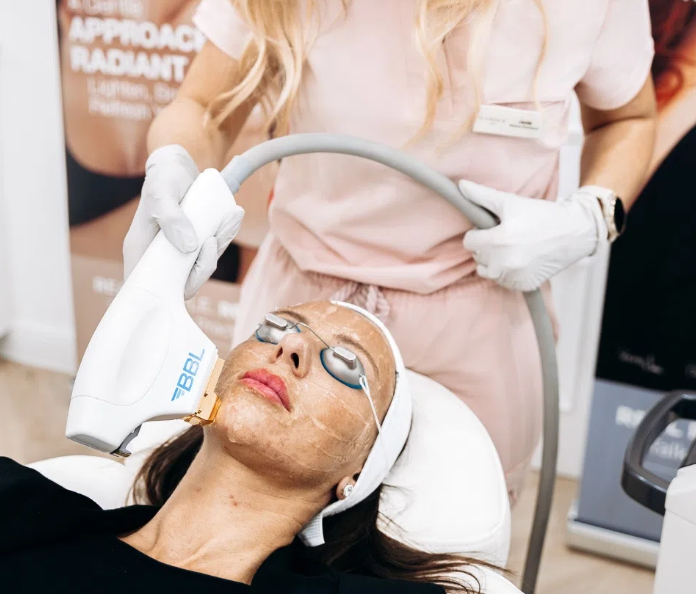
Pigmentation issues are a common concern for many individuals in Manchester, affecting skin tone, confidence, and overall appearance. Misconceptions about pigmentation are widespread, often leading to confusion about causes, treatment, and prevention. For reliable guidance, professional dermatology expertise is essential. SLA Medical Clinic offers advanced care and informed advice to help patients manage Pigmentation In Manchester effectively. This guide explores the most common myths and facts surrounding pigmentation and shares expert tips from dermatologists.
Understanding Skin Pigmentation
What Is Pigmentation?
Pigmentation refers to the color of the skin, which is determined by melanin, the pigment produced by specialized cells called melanocytes. Variations in pigmentation can result in lighter or darker patches on the skin, commonly called hyperpigmentation. These changes can occur due to sun exposure, hormonal influences, aging, or environmental factors.
Common Types of Pigmentation
-
Melasma: Dark, blotchy patches often caused by hormonal changes and sun exposure.
-
Sunspots (Solar Lentigines): Flat, brown spots caused by prolonged UV exposure.
-
Post-Inflammatory Hyperpigmentation: Dark marks left after skin injuries, acne, or irritation.
Common Pigmentation Myths
Myth 1: Only people with fair skin get pigmentation
Fact: Pigmentation affects all skin types, though it may appear differently depending on melanin levels. Darker skin tones may develop deeper and more noticeable hyperpigmented patches, while fair skin may show lighter spots or freckles.
Myth 2: Pigmentation is always caused by the sun
Fact: While UV exposure is a significant factor, pigmentation can also result from hormonal changes, genetics, aging, and inflammatory skin conditions. Effective management requires understanding the underlying cause.
Myth 3: Pigmentation can be permanently removed with over-the-counter creams
Fact: Topical creams may help lighten pigmentation temporarily, but professional evaluation is crucial for lasting results. Dermatologists at SLA Medical Clinic can tailor treatments based on the type and depth of pigmentation for optimal outcomes.
Myth 4: Darkening areas around the eyes are always pigmentation
Fact: Shadows, puffiness, and thinning skin can mimic pigmentation under the eyes. A proper dermatological assessment ensures the correct diagnosis and treatment.
Myth 5: Pigmentation is purely cosmetic and harmless
Fact: While most pigmentation is benign, changes in skin color can sometimes indicate underlying medical conditions. Regular skin checks with experts help maintain healthy skin.
Fact-Based Insights on Pigmentation
Fact 1: Sun Protection Is Essential
UV rays trigger melanin production, which can worsen pigmentation. Using broad-spectrum sunscreen, wearing hats, and avoiding excessive sun exposure are vital steps for both prevention and management.
Fact 2: Treatments Are Most Effective When Customized
Pigmentation varies widely among individuals. SLA Medical Clinic emphasizes personalized treatment plans, combining professional-grade topicals, chemical peels, laser therapy, or other dermatological procedures tailored to the patient’s skin type and condition.
Fact 3: Consistency and Patience Are Key
Pigmentation treatments often require multiple sessions and ongoing maintenance. Visible improvement develops gradually, and consistent skincare routines enhance long-term results.
Fact 4: Lifestyle Factors Influence Pigmentation
Healthy habits, including a balanced diet, hydration, adequate sleep, and stress management, support skin health and can reduce pigmentation flare-ups.
Fact 5: Professional Assessment Reduces Mismanagement
Self-diagnosing or using random treatments may worsen pigmentation or cause skin irritation. Consulting dermatologists ensures the correct approach is taken for safe, effective results.
Expert Tips from SLA Medical Clinic for Managing Pigmentation In Manchester
Tip 1: Identify Triggers Early
A thorough skin assessment helps identify triggers such as sun exposure, hormones, or skincare products. Understanding these factors allows for better prevention and treatment.
Tip 2: Use Dermatologist-Approved Topicals
Professional-grade serums and creams can effectively lighten hyperpigmentation. Ingredients like vitamin C, niacinamide, and retinoids are commonly used under expert supervision.
Tip 3: Consider In-Clinic Treatments
-
Chemical Peels: Exfoliate and rejuvenate the skin for more even tone.
-
Laser Therapy: Targets pigment deep within the skin with precision.
-
Microneedling: Stimulates collagen and enhances topical absorption.
These treatments, performed at SLA Medical Clinic, offer targeted and effective results that are difficult to achieve with home remedies alone.
Tip 4: Daily Sun Protection Is Non-Negotiable
Even on cloudy days, UV exposure can worsen pigmentation. A high-SPF sunscreen applied daily is a cornerstone of any management plan.
Tip 5: Follow-Up Is Crucial
Pigmentation requires monitoring over time. Regular follow-ups with dermatologists help adjust treatments and maintain a uniform, healthy complexion.
Preventive Measures for Pigmentation
Healthy Skincare Routine
-
Gentle cleansing to avoid irritation
-
Moisturization to maintain skin barrier
-
Avoiding harsh products that trigger inflammation
Protective Measures
-
Wearing wide-brimmed hats and sunglasses
-
Limiting direct sun exposure during peak hours
-
Using physical blockers or chemical sunscreens daily
Balanced Lifestyle
-
Proper hydration and nutrition
-
Managing stress and sleep quality
-
Avoiding smoking and excessive alcohol
Conclusion
Understanding the facts behind pigmentation is essential for achieving healthy, even-toned skin. Many myths can lead to ineffective treatments or frustration, but with professional guidance, these issues are manageable. For anyone concerned about Pigmentation In Manchester, SLA Medical Clinic offers expert dermatological assessment and personalized treatment options to improve skin clarity, address underlying causes, and maintain long-term results. Following dermatologist-approved routines and preventive measures ensures that skin remains vibrant and balanced, enhancing both appearance and confidence.
- Managerial Effectiveness!
- Future and Predictions
- Motivatinal / Inspiring
- Fitness and Wellness
- Medical & Health
- Manufacturing
- Education
- Real-Estate
- Food Industry
- Hospitality
- Online Games
- Sports
- Home Services
- Civil Engineering
- Safety and Protection
- Software Products & Services
- Fashion and Jewellery
- Artificial Intelligence
- Entrepreneurship
- Mentoring & Guidance
- Marketing
- Networking
- HR & Recruiting
- Literature
- Shopping
- Career Management & Advancement