

 SkillClick
Strategic BNPL App Development Planning to Minimize Credit Risk
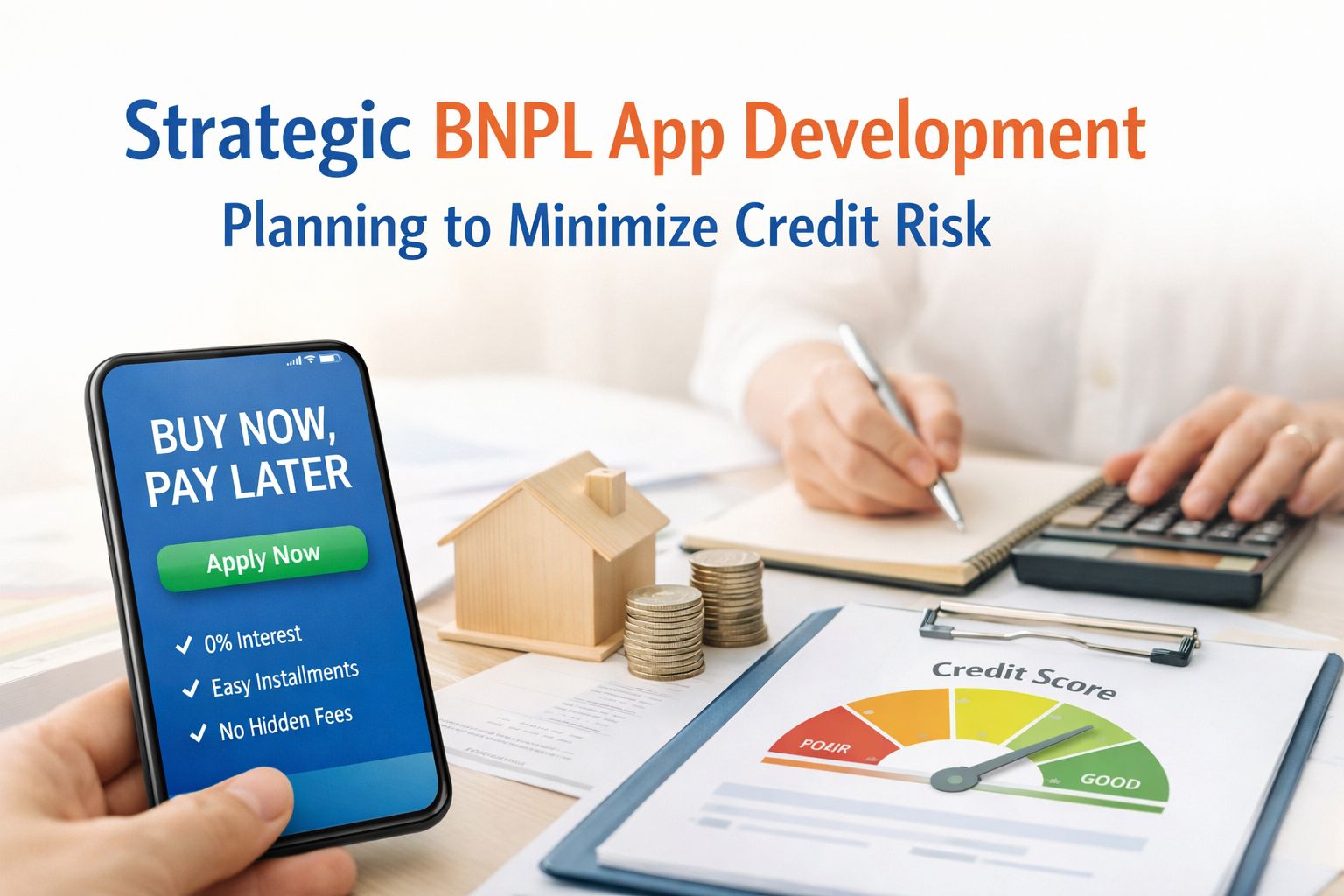
Buy Now Pay Later solutions have moved from being a niche payment alternative to a core financial product for merchants, fintech startups, and established lenders. As adoption grows, credit exposure becomes the defining challenge. Strategic BNPL platform development is no longer just about smooth checkout experiences; it is about embedding intelligent credit controls into every layer of the system while maintaining speed and convenience for users.
For businesses exploring BNPL solutions, thoughtful planning at the development stage determines whether the platform scales sustainably or accumulates unmanageable credit losses. This article explains how a well-structured BNPL app strategy helps reduce credit risk, protect margins, and build long-term trust with merchants and consumers.
Understanding Credit Risk in BNPL Platforms
Credit risk in BNPL models arises from extending short-term credit without traditional collateral or lengthy underwriting. Users expect near-instant approvals, yet providers remain responsible for repayment defaults, fraud, and regulatory compliance. In BNPL platform development, credit risk is influenced by user behavior, merchant category, transaction size, repayment structure, and economic conditions.
Unlike conventional lending, BNPL products operate on high transaction volumes with relatively small ticket sizes. This makes manual risk evaluation impractical. Platforms must rely on automated decision-making, real-time data processing, and continuous monitoring. Development teams must account for these requirements early, rather than retrofitting risk logic after launch.
A strong BNPL architecture balances growth and protection. Overly strict credit checks can reduce conversion rates, while lenient policies can expose the platform to high delinquency levels. Strategic planning ensures the system adapts dynamically as user profiles evolve.
Why Credit Risk Planning Must Start at the Architecture Level
Credit risk controls are most effective when integrated into the core architecture, not treated as add-ons. BNPL platform development involves designing backend services, APIs, databases, and workflows that can support complex risk logic without slowing down the user experience.
At the architectural level, developers must plan for real-time credit scoring, flexible rule engines, and integration with external data providers. Risk-related services should be modular, allowing updates without disrupting the entire platform. This approach also supports regulatory adjustments across different regions.
Scalability is another architectural concern. As transaction volumes increase, risk engines must process thousands of decisions per second. A well-planned BNPL system uses cloud-native infrastructure, event-driven processing, and asynchronous workflows to maintain performance while evaluating risk signals.
Data-Driven Underwriting Models in BNPL Platform Development
Modern BNPL underwriting relies on alternative data rather than traditional credit bureau scores alone. Strategic BNPL platform development incorporates data aggregation from multiple sources to build a more accurate risk profile.
These may include transaction history, device fingerprinting, behavioral analytics, repayment patterns, and merchant-level performance. The platform should be designed to continuously learn from this data, refining credit limits and approval logic over time.
Key Underwriting Elements to Embed Early
-
Dynamic credit limits that adjust based on repayment behavior
-
Short-term repayment tracking rather than long-term debt history
-
Risk segmentation by merchant category and product type
By embedding these elements during development, BNPL platforms can reduce default rates without introducing friction into the checkout process.
Fraud Prevention as a Core Credit Risk Strategy
Fraud and credit risk are closely connected in BNPL ecosystems. Account takeovers, synthetic identities, and friendly fraud directly impact repayment outcomes. Strategic BNPL platform development treats fraud prevention as part of credit risk mitigation rather than a separate function.
Real-time identity verification, device recognition, and behavioral analysis help detect anomalies before approval. Development teams must design workflows that flag suspicious transactions while allowing legitimate users to proceed seamlessly.
Fraud controls should also evolve as threats change. A flexible rules engine combined with machine learning models allows the platform to respond quickly without requiring major redevelopment.
Repayment Design and Its Impact on Credit Exposure
Repayment structure plays a critical role in minimizing credit risk. BNPL platform development decisions around installment frequency, payment methods, and reminders directly influence default rates.
Shorter repayment cycles reduce exposure by allowing early detection of delinquency. Automated reminders, flexible payment rescheduling, and multiple payment options improve repayment success. These features should be built into the core product rather than added later as retention tools.
The system should also support early intervention strategies. When a user misses a payment, automated workflows can trigger notifications, temporary spending limits, or customer support outreach. These responses reduce losses while preserving user relationships.
Merchant Risk Management in BNPL Ecosystems
BNPL platforms are not only exposed to consumer risk but also merchant-related risk. Certain industries have higher return rates, disputes, or fraud incidents. Strategic BNPL platform development includes merchant profiling and monitoring mechanisms.
Risk-aware platforms evaluate merchant performance metrics such as chargeback rates, average order values, and customer complaint history. These insights inform approval thresholds and transaction limits at the merchant level.
Merchant Risk Controls to Include
-
Category-based risk scoring
-
Adjustable merchant caps based on performance
-
Automated alerts for abnormal transaction patterns
By embedding merchant risk logic, BNPL providers can prevent concentrated exposure while supporting healthy merchant growth.
Compliance and Regulatory Considerations in BNPL Development
Regulatory scrutiny around BNPL products is increasing globally. Data protection, consumer disclosures, and responsible lending practices are becoming standard requirements. Strategic BNPL platform development must account for compliance from day one.
Systems should support transparent fee disclosures, consent management, and audit trails. Credit decisions must be explainable, particularly when automated models are used. This requires logging decision factors and maintaining model governance processes.
Platforms operating across multiple regions need configurable compliance rules. A modular compliance layer allows updates without rewriting core functionality, reducing both legal risk and development costs.
Learning from Established BNPL Platforms
Many emerging platforms analyze successful models from a BNPL app like Klarna to understand how scale and risk management coexist. While replication is not advisable, studying mature platforms reveals the importance of continuous optimization.
Established providers invest heavily in analytics, experimentation, and risk segmentation. Their platforms evolve alongside user behavior and market conditions. New entrants should adopt a similar mindset during BNPL platform development, prioritizing adaptability over rigid rule sets.
Choosing the Right Development Approach
The complexity of BNPL systems demands experienced technical execution. Businesses often partner with providers offering mobile app development services that understand fintech security, scalability, and compliance requirements.
In some cases, customized on-demand app development is necessary to align the BNPL platform with specific merchant ecosystems or regional regulations. Custom solutions allow deeper control over risk logic, integrations, and user flows compared to generic templates.
The key is selecting a development approach that supports long-term evolution rather than short-term deployment speed.
Conclusion
Strategic BNPL platform development is the foundation for minimizing credit risk while supporting rapid growth. By embedding data-driven underwriting, fraud prevention, flexible repayment design, and compliance-ready architecture, BNPL providers can scale responsibly in a competitive market.
Credit risk is not a single feature but an ongoing capability that evolves with users, merchants, and regulations. Platforms designed with adaptability, transparency, and intelligence at their core are better positioned to deliver sustainable BNPL solutions that benefit both businesses and consumers.
FAQs
What makes BNPL credit risk different from traditional lending?
BNPL credit risk involves high-volume, low-value transactions with instant approvals. Risk decisions rely more on behavioral and transactional data than long-term credit history.
How early should credit risk planning start in BNPL app development?
Credit risk planning should begin at the architecture and product design stage. Retrofitting risk controls later increases costs and operational complexity.
Can BNPL platforms reduce risk without hurting user experience?
Yes. Strategic BNPL platform development uses real-time data, automation, and adaptive limits to manage risk while keeping the checkout flow fast and simple.
Is alternative data essential for BNPL underwriting?
Alternative data significantly improves risk accuracy, especially for users with limited credit histories. It is a core component of modern BNPL platforms.
- Managerial Effectiveness!
- Future and Predictions
- Motivatinal / Inspiring
- Fitness and Wellness
- Medical & Health
- Manufacturing
- Education
- Real-Estate
- Food Industry
- Hospitality
- Online Games
- Sports
- Home Services
- Civil Engineering
- Safety and Protection
- Software Products & Services
- Fashion and Jewellery
- Artificial Intelligence
- Entrepreneurship
- Mentoring & Guidance
- Marketing
- Networking
- HR & Recruiting
- Literature
- Shopping
- Career Management & Advancement