

 SkillClick
How Does Alloy Type Influence Corrosion Resistance?
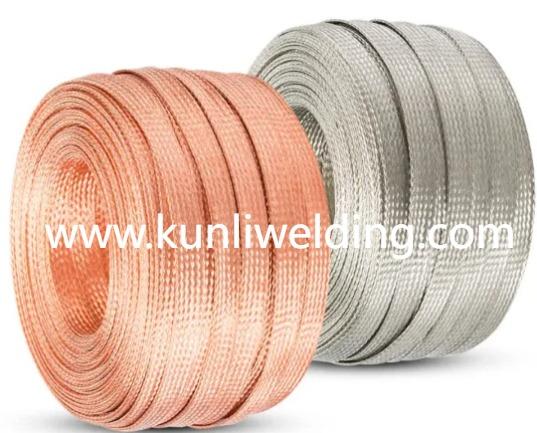
Metal joining processes require consumable materials specifically engineered to complement the base metals being fabricated into finished structures and components. When working with Aluminum, welders cannot simply select any filler material and expect satisfactory results, as Aluminum's unique properties demand carefully matched consumables. Aluminum Alloy Welding Wire Suppliers offer diverse product lines containing multiple compositions because Aluminum encompasses numerous alloy families, each possessing distinct characteristics that require compatible filler materials for successful fusion and long term joint performance.
Aluminum alloys exist because pure Aluminum, while lightweight and corrosion resistant, lacks sufficient strength for most structural applications. Adding elements like magnesium, silicon, copper, zinc, and manganese creates alloys with enhanced properties tailored to specific performance requirements. These alloying additions fundamentally change how the material behaves during welding, affecting melting temperature, fluidity, solidification characteristics, and susceptibility to defects like cracking or porosity. The filler wire composition must harmonize with these base metal characteristics to produce sound joints.
Chemical compatibility between filler and base metals prevents metallurgical problems that compromise joint integrity. Mismatched compositions can create brittle intermetallic compounds at the fusion boundary, promote hot cracking during solidification, or produce weld metal with inadequate strength relative to surrounding material. Some Aluminum alloys contain elements that make them inherently difficult to weld, requiring specialized filler compositions that compensate for these challenging characteristics. Silicon bearing filler wires, for instance, improve fluidity and reduce cracking tendency when joining certain casting alloys, while magnesium rich fillers provide strength matching for wrought alloys in the magnesium bearing family.
Mechanical property matching ensures welded joints do not become weak points within fabricated structures. Using filler material with lower strength than the base metal creates joints that fail prematurely under load, undermining the engineering advantages that prompted Aluminum selection initially. Conversely, excessively strong filler material may create brittle zones susceptible to crack initiation. Proper alloy selection balances strength, ductility, and toughness to match or slightly exceed base metal capabilities while maintaining adequate flexibility to absorb stress without fracturing.
Corrosion resistance varies dramatically between Aluminum alloy families, making filler selection critical for applications facing environmental exposure. Marine structures, chemical processing equipment, and outdoor architectural elements all encounter corrosive conditions throughout their service lives. Certain Aluminum alloys demonstrate superior resistance to specific corrosive agents, and using incompatible filler materials can create galvanic cells that accelerate localized corrosion at weld zones. Matching filler alloy families to base metal groups maintains uniform corrosion behavior throughout welded assemblies.
Heat treatment response differs among Aluminum alloys, affecting post weld processing options. Some Aluminum families achieve their strength through precipitation hardening that occurs during controlled thermal cycles. Others remain non heat treatable, deriving properties from work hardening or solid solution strengthening. When welding heat treatable alloys, filler material selection influences whether post weld heat treatment can restore properties degraded by welding thermal cycles. Using non compatible filler types may prevent effective heat treatment, leaving weld zones permanently weakened.
Welding process compatibility varies between alloy types, with some compositions performing well across multiple processes while others suit specific welding methods. Certain silicon bearing fillers work effectively in MIG applications but prove problematic for TIG welding due to fluidity characteristics. Magnesium content affects arc stability and spatter generation differently depending on whether spray transfer, pulsed, or short circuit modes are employed. Understanding these process interactions helps match filler materials to available equipment and operator skill levels.
Color matching after anodizing represents a practical concern in decorative applications where weld visibility affects product aesthetics. Different alloy compositions respond to anodizing processes with varying color development, potentially creating visible lines between base metal and weld zones. Selecting filler alloys that produce similar anodized tones as the base material minimizes these cosmetic issues.
The diversity of Aluminum alloy welding wires reflects the equally diverse range of base materials and application requirements throughout modern manufacturing. Successful material selection requires understanding these fundamental compatibility principles. Material selection guidance and comprehensive Aluminum Welding Wire options are available at www.kunliwelding.com to support diverse fabrication requirements across industries.
- Managerial Effectiveness!
- Future and Predictions
- Motivatinal / Inspiring
- Fitness and Wellness
- Medical & Health
- Manufacturing
- Educação
- Real-Estate
- Food Industry
- Hospitality
- Online Games
- Sports
- Home Services
- Civil Engineering
- Safety and Protection
- Software Products & Services
- Fashion and Jewellery
- Artificial Intelligence
- Entrepreneurship
- Mentoring & Guidance
- Marketing
- Networking
- HR & Recruiting
- Literature
- Shopping
- Career Management & Advancement