

 SkillClick
Custom Shaped Boxes: Your Complete Guide to Unique Packaging Solutions
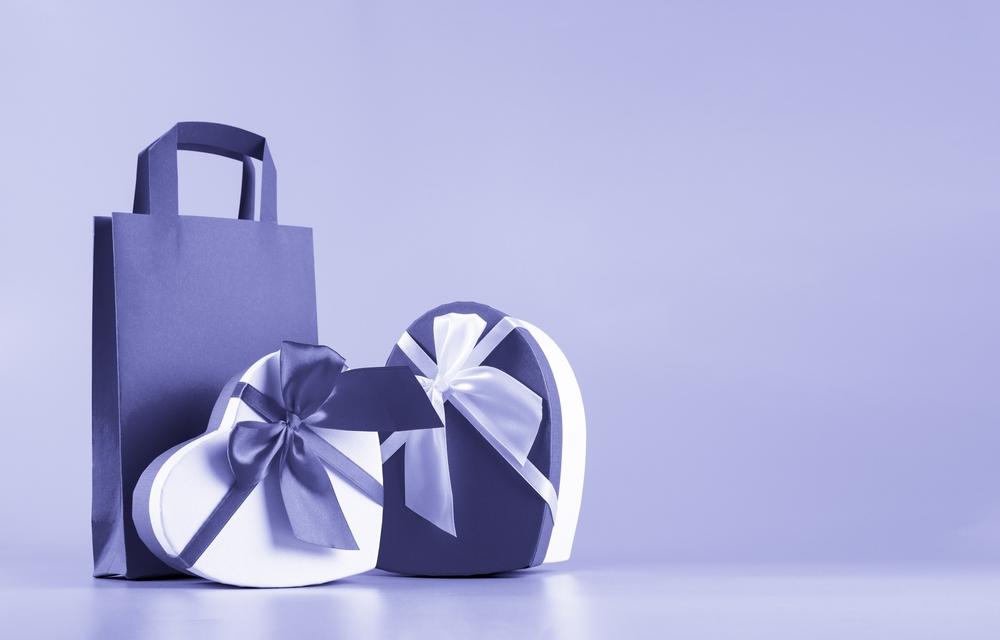
In today's competitive marketplace where hundreds of products compete for customer attention, packaging has evolved from simple product protection to a powerful marketing tool. Custom shaped boxes represent one of the most effective ways to differentiate your brand, create memorable customer experiences, and command premium pricing. Whether you're packaging artisan chocolates, luxury cosmetics, handmade candles, or specialty gifts, the right shaped box transforms your product from ordinary to extraordinary before customers even see what's inside.
Understanding Die-Cutting Technology and Manufacturing
The magic behind custom shaped boxes lies in die-cutting, a precision manufacturing process that uses sharp steel rules arranged in specific patterns to cut unique shapes from flat sheets of material. Think of a die as an industrial cookie cutter, but far more sophisticated and precise.
Creating these dies requires skilled craftsmanship and can cost anywhere from two hundred to several thousand dollars depending on size and complexity, but once created, a single die can produce hundreds of thousands of boxes over its lifespan—making die-cut packaging an ideal solution for brands choosing rigid cartons, folding boxes, or even alternative packaging formats such as Custom Mylar Bags for high-volume production efficiency.
During manufacturing, flat sheets of paperboard or cardboard are fed through a die-cutting press where the custom die applies thousands of pounds of pressure, cutting through the material in one precise motion. After cutting, excess material around and between shapes is stripped away in a process that reveals your custom shapes.
Popular Custom Box Shapes and Their Applications
Geometric shapes represent some of the most versatile and popular custom box options in today's market. Hexagonal boxes have particularly surged in popularity over recent years, especially for natural products, candles, and cosmetics. The six-sided design conveys sophistication and modernity while offering excellent structural stability.
Brands appreciate hexagons because they nest reasonably efficiently for storage and shipping despite their unusual shape, while still looking distinctly different from standard rectangles on retail shelves. The hexagon has become so associated with premium candle brands that it's almost become a category identifier—customers browsing candle sections now actively look for hexagonal packaging as a quality signal.
Creative and novelty shapes open up virtually endless possibilities limited only by structural feasibility, imagination, and budget. House-shaped boxes appeal naturally to real estate companies for closing gifts, housewarming present packaging, and home product brands wanting to reinforce their category. Star-shaped designs work beautifully for awards and recognition, celebration products, and children's items.
Design Considerations and Structural Requirements
Creating effective custom shaped boxes requires carefully balancing aesthetic appeal with structural functionality and practical manufacturing constraints. The physics of paperboard and cardboard impose real limitations on what shapes are actually feasible to produce and use. Materials need adequate surface area for folding and gluing—very thin sections lack strength and may tear during assembly or use.
Very complex shapes with many small tabs and intricate folding patterns become prohibitively expensive to assemble and may frustrate end users—especially when producing premium packaging solutions such as Custom Rigid Boxes, where structural precision and durability are essential. Understanding these constraints early in the design process prevents disappointment and wasted investment in beautiful concepts that simply cannot be manufactured successfully.
Printing on shaped boxes presents unique challenges compared to flat surfaces that designers must account for during the creative process. Design elements must work effectively across angles, curves, and three-dimensional transitions rather than simple flat planes. Text needs to remain clearly readable even when placed on slanted surfaces or wrapping around curves.
Industry Applications Where Shaped Boxes Excel
Food and beverage packaging finds creative applications for shaped boxes across numerous product categories beyond the expected. Artisan chocolate makers use heart shapes for romantic occasions, hexagons for honey-inspired collections, and completely custom shapes that reflect their unique brand stories and artisan positioning.
Specialty tea companies package loose-leaf varieties in elegant geometric boxes that customers naturally reuse for storage, keeping the brand visible in kitchens long after the tea is consumed. Bakeries differentiate their products with unique cake slice boxes for individual portions or specially shaped pastry packaging that makes products look more premium and gift-worthy.
The candle industry has perhaps most enthusiastically and universally adopted custom shaped boxes, with hexagonal packaging becoming almost standard for premium candle brands. The geometric shape complements candles' typically circular form while suggesting honeycomb and natural origins that align with the wellness and self-care positioning many candle brands cultivate. The popularity of hexagon candle boxes has created a recognizable packaging category where the shape itself immediately signals quality and artisan craftsmanship to customers browsing candle sections.
The Complete Manufacturing Process
Working with packaging designers who specialize in structural design differs fundamentally from working with graphic designers, and understanding this distinction prevents frustration and wasted time. While graphic designers excel at visual communication, color theory, and creating compelling imagery, structural packaging designers understand engineering principles, material properties under stress, manufacturing constraints, and how flat sheets transform into three-dimensional structures.
Many packaging suppliers offer design services as part of their overall capabilities, which can prove particularly valuable because their designers know exactly what their specific equipment can produce and what modifications might reduce costs. Independent packaging designers provide another option, offering maximum creative freedom while ensuring technical feasibility through their broad experience across multiple manufacturers.
Testing prototypes thoroughly and systematically prevents expensive mistakes that would only be discovered after committing to production runs of thousands of boxes. Place actual products in sample boxes and handle them exactly as customers would, not carefully as precious prototypes. Try assembling boxes yourself to truly understand complexity—if you struggle, your packaging staff will too, and customers definitely will.
Cost Structure and Budget Planning
Understanding the complete cost structure for custom shaped boxes helps set realistic budgets and make informed decisions about where to invest and where to economize. The die or tooling cost represents your first major expense—this one-time investment creates the cutting tool that makes your specific shape possible.
Simple shapes like basic hexagons or hearts might require dies costing three hundred to five hundred dollars, while complex designs with intricate details, very large sizes, or multiple components can reach two thousand dollars or considerably more. This fixed cost stays exactly the same regardless of whether you order five hundred or fifty thousand boxes, making it particularly impactful on small initial orders but relatively insignificant when amortized across large volumes over time.
Comparing shaped boxes to alternative packaging options provides helpful context for decision-making. Custom Rigid Boxes offer even more premium presentation with thick, sturdy construction and luxury feel, but typically cost three to five times more than paperboard shaped boxes of similar size. Standard folding cartons in rectangular formats provide the most economical option at perhaps fifty cents to a dollar per box but lack any distinctive positioning or shelf differentiation.
Benefits That Justify Investment
Brand recognition and memorability increase dramatically with signature shaped packaging in ways that extend far beyond initial purchases. Customers remember "the hexagon candle" or "those heart-shaped chocolates" long after forgetting specific brand names or detailed product features.
This shape-based recognition creates powerful mental shortcuts that drive repeat purchases—when customers return to stores or browse online, they actively seek that distinctive shape they remember enjoying previously. The shape becomes synonymous with your brand in customers' minds, functioning almost like a three-dimensional trademark.
Some innovative brands actually trademark their distinctive packaging shapes, creating legal protection against copycat competitors while simultaneously building proprietary brand assets that increase company valuation. This intellectual property protection represents real, tangible value beyond simple marketing benefits.
Frequently Asked Questions
How much do custom shaped boxes typically cost per unit?
Custom shaped box pricing varies considerably based on shape complexity, materials, printing, finishing, and order quantity, but you can expect to pay between one dollar and four dollars per box for most applications.
What is the minimum order quantity for custom shaped boxes?
Minimum order quantities for custom shaped boxes typically range from five hundred to three thousand units depending on the manufacturer, printing method, shape complexity, and your specific requirements.
Can custom shaped boxes be made from sustainable, eco-friendly materials?
Absolutely—custom shaped boxes can and should be produced using environmentally responsible materials without sacrificing quality, appearance, or functionality.
How long does it take to receive custom shaped boxes after placing an order?
The complete timeline from placing your initial order to receiving finished custom shaped boxes in your facility typically spans six to ten weeks for first-time orders, though this varies based on several factors.
Do custom shaped boxes work for shipping products directly to customers?
Custom shaped boxes can definitely work for shipping products directly to customers, though several factors determine whether they're the optimal choice for your specific e-commerce operation.
Transform Your Brand with Strategic Packaging Investment
Whether you're exploring possibilities or ready to commit to custom shapes, begin with education and careful planning rather than rushing into production. Research shape options that genuinely align with your brand identity, values, and target customer preferences rather than simply choosing what looks trendy or interesting.
- Managerial Effectiveness!
- Future and Predictions
- Motivatinal / Inspiring
- Fitness and Wellness
- Medical & Health
- Manufacturing
- Education
- Real-Estate
- Food Industry
- Hospitality
- Online Games
- Sports
- Home Services
- Civil Engineering
- Safety and Protection
- Software Products & Services
- Fashion and Jewellery
- Artificial Intelligence
- Entrepreneurship
- Mentoring & Guidance
- Marketing
- Networking
- HR & Recruiting
- Literature
- Shopping
- Career Management & Advancement