

 SkillClick
How to Avoid Front Sag With Best Bullbars Perth
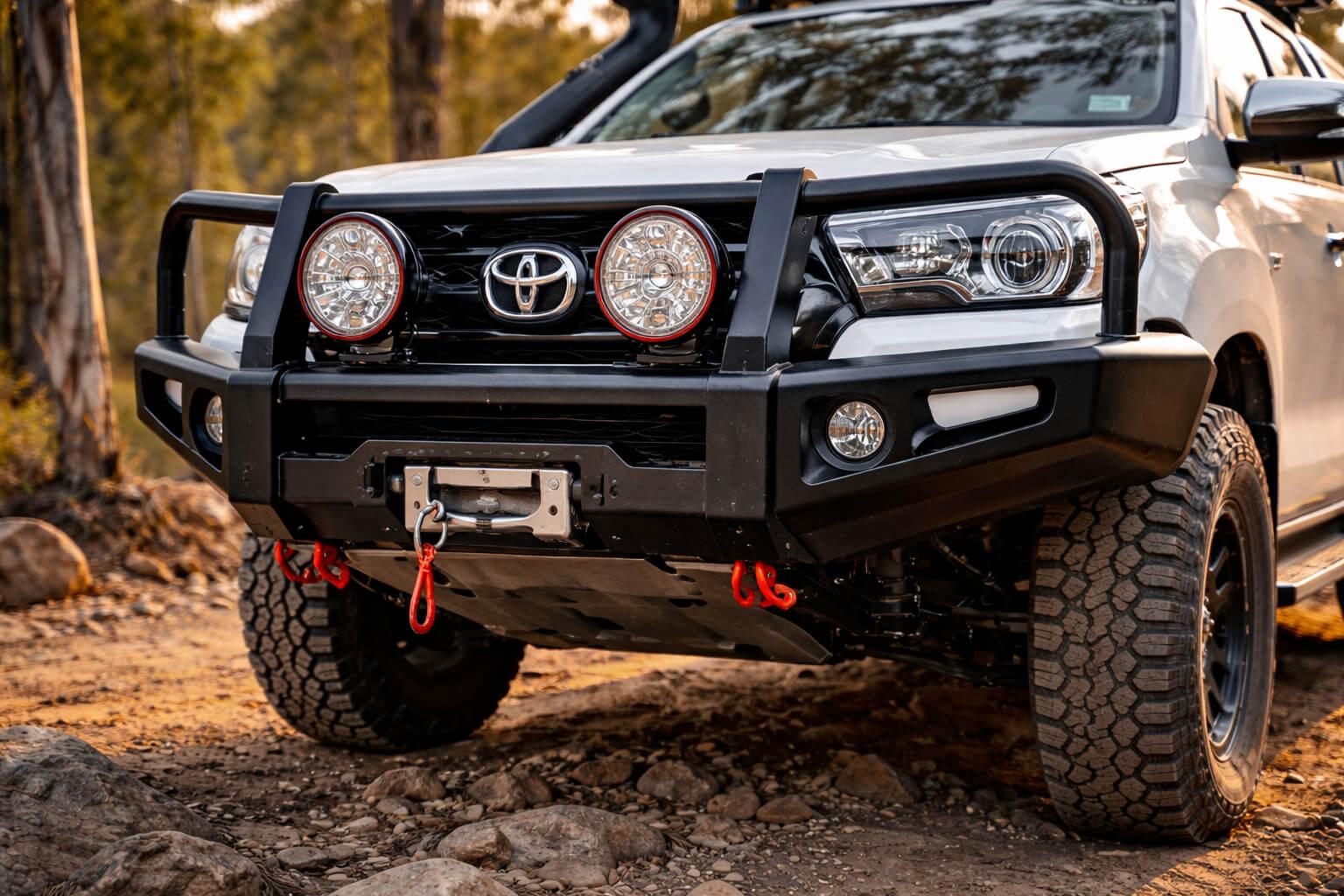
Front sag is one of the most common issues people notice after fitting a bullbar. The vehicle looks lower at the nose, the ride can feel heavier, and the steering may not feel as sharp as before. This is normal when extra weight is added to the front, especially with many of the best bullbars Perth drivers choose for off road protection.
The good news is that front sag is not a mystery problem. It is usually a simple weight and support mismatch. This guide explains why it happens, what it changes in real driving, and how to plan a setup that keeps your ride height, comfort, and control in a better balance.
Why Front Sag Happens After a Bullbar Install
Front sag happens when the added weight up front compresses the front springs more than they were built for. A bullbar alone can be heavy. Add a winch, driving lights, aerials, recovery points, and a second battery, and the front end can drop even more.
What front sag changes
• Less ground clearance at the front
• Reduced approach angle on steep entries
• More nose dive under braking
• Headlights pointing lower
• More load on front tyres
• Less comfortable ride on rough roads
These changes can show up even on city streets. Off road, they can be more obvious because the front end hits dips and washouts sooner.
Common causes of front sag
• Stock springs still fitted after adding a bullbar
• Springs rated for an empty front end, not a loaded one
• Old springs that have already softened over time
• Heavy bullbar plus winch without planning for the total weight
• Shocks that cannot control the extra spring movement well
Start With One Simple Step: Measure Your Ride Height
Before changing parts, measure. This gives you a clear baseline and helps you tell if the vehicle is sitting evenly later.
How to measure at home
-
Park on level ground
-
Measure from the centre of the wheel to the guard lip
-
Record front left, front right, rear left, rear right
-
Measure again after the bullbar install and after a few weeks of driving
Many vehicles settle a little after new parts, so checking again later helps you understand the true change.
Understand the Weight of Your Setup
People often think only about the bullbar, but the add ons usually matter just as much.
Front end items that add weight
• Bullbar
• Winch
• Recovery gear stored at the front
• Dual battery system
• Underbody protection plates
• Spotlights and mounts
If you want to avoid front sag, plan around the total load you will carry most of the time, not the lightest version of your build.
Choose the Right Springs for the Load
Springs are the main support for added weight. If you fit a bullbar and keep stock springs, sag is likely.
Spring options in simple terms
Standard rate springs
Good for stock weight. Not ideal once a heavy bullbar is fitted.
Medium duty springs
Often suit a bullbar without a winch, depending on the vehicle and bar weight.
Heavy duty springs
Often suit a bullbar plus winch and other constant front weight.
A common mistake is going too stiff. Heavy duty springs with a light front end can make the ride harsh and reduce grip on corrugated roads. The goal is a spring that matches your real load.
Helpful tip
If you only fit a winch for a few trips each year, you might be better with a spring choice that suits your daily weight, plus a setup that can handle occasional extra load without feeling unpleasant the rest of the time.
Shocks Matter Just as Much as Springs
Springs hold the weight. Shocks control movement. When the front is heavier, the suspension moves differently over bumps. A shock that worked fine before may feel underdone after the bullbar.
Signs your shocks are not coping
• Front end bounces more after bumps
• Vehicle feels floaty on highways
• Steering feels vague on rough gravel
• More body roll in corners
• The ride feels busy on small bumps
Better matched shocks can calm the front end and improve control.
Set Your Lift Goals the Right Way
Many people try to fix sag by chasing lift height alone. Lift can help, but only when the spring rate and shock control match the weight.
A practical target
Aim for a level stance with enough clearance for your tracks, while keeping steering and braking feel stable. In Perth, many off road trips include mixed roads, so a balanced setup is often more useful than maximum height.
Check Wheel Alignment After Changes
After adding a bullbar and changing suspension parts, alignment can change. Poor alignment can cause pulling, uneven tyre wear, and a steering wheel that no longer sits straight.
Alignment benefits
• Better straight line stability
• Less tyre wear
• More predictable steering on gravel
• Better braking feel
If your vehicle has adjustable parts for front geometry, ask about them when you lift the vehicle. This helps keep handling closer to factory feel.
Balance the Rear Too
A front heavy vehicle can feel nose down, but sometimes the rear also needs attention. If the rear is sagging from touring gear or towing, the whole vehicle can sit wrong and handling can suffer.
Simple balance check
Look at the vehicle on flat ground, then load it how you normally travel. If the rear squats and the front rises, the steering can feel light. If the front is low and the rear is high, braking and clearance can suffer. Matching both ends gives a calmer drive.
Bullbar Choice Can Reduce Sag Risk
Not all bullbars weigh the same. Some are lighter due to design and material. When people search for best bullbars Perth, it helps to look at weight as well as strength and fit.
What to look for in a bullbar if sag is a concern
• Published weight of the bar
• Material choice and design style
• Whether you plan to add a winch
• How much constant gear you mount to it
A lighter bar can reduce how much spring change you need, especially if you do not run a winch.
Table: Quick Guide to Sag Causes and Fixes
| Situation | What you notice | Likely cause | Practical fix |
|---|---|---|---|
| Bullbar fitted, no other changes | Nose sits lower | Stock springs compressed | Medium duty front springs |
| Bullbar plus winch | Front drops more, bouncy ride | Springs and shocks not matched | Heavy duty springs plus better shocks |
| Old suspension before bullbar | Sag shows fast | Springs already tired | Replace springs and check bushes |
| Lift fitted but still nose down | Looks lifted but not level | Spring rate too soft for weight | Adjust spring rate to load |
| Vehicle pulls or tyres wear | Steering feels off | Alignment changed | Wheel alignment after work |
A Step by Step Plan That Works
Step 1: List your constant weight
Write down what stays on the vehicle every day. Bullbar, winch if fitted, battery, plates.
Step 2: Choose springs for that load
Pick a spring rate that fits your daily weight, not a rare trip setup.
Step 3: Match shocks to the springs
Shocks should control the new movement, especially on rough roads.
Step 4: Align and re measure
Get alignment done and measure ride height again.
Step 5: Re check after a few weeks
Suspension can settle slightly. A quick re check can save tyre wear later.
Conclusion
Front sag after fitting a bullbar is common because extra weight compresses the front springs. The fix is usually not complicated. Measure your height, understand your real front end weight, then match springs and shocks to that load. When you plan the bullbar and suspension together, the vehicle sits level, feels steadier on the road, and has better clearance off road.
If you are comparing options for the best bullbars Perth drivers use, keep weight in mind alongside strength and fit. A smart setup is about balance, not just big parts.
FAQs
How much front sag is normal after a bullbar install?
A small drop can happen, especially with stock suspension. If the nose looks clearly lower or handling changes, it is worth measuring and planning springs for the added weight.
Can I fix sag with spacers only?
Spacers can raise height, but they do not add load support like a spring rate change. For a heavy bullbar setup, springs matched to weight are often the better long term fix.
Do I need heavy duty springs for a bullbar?
Not always. It depends on bullbar weight and any extra gear like a winch and dual battery. Many vehicles suit medium duty springs with a bullbar only.
Will a winch make sag worse?
Yes. A winch adds weight at the very front, which increases sag risk. Plan springs for bullbar plus winch if you fit both.
- Managerial Effectiveness!
- Future and Predictions
- Motivatinal / Inspiring
- Fitness and Wellness
- Medical & Health
- Manufacturing
- Education
- Real-Estate
- Food Industry
- Hospitality
- Online Games
- Sports
- Home Services
- Civil Engineering
- Safety and Protection
- Software Products & Services
- Fashion and Jewellery
- Artificial Intelligence
- Entrepreneurship
- Mentoring & Guidance
- Marketing
- Networking
- HR & Recruiting
- Literature
- Shopping
- Career Management & Advancement