

 SkillClick
How F1 Race Suits Combine Safety, Performance, and Style for Modern Motorsports Fans in the USA
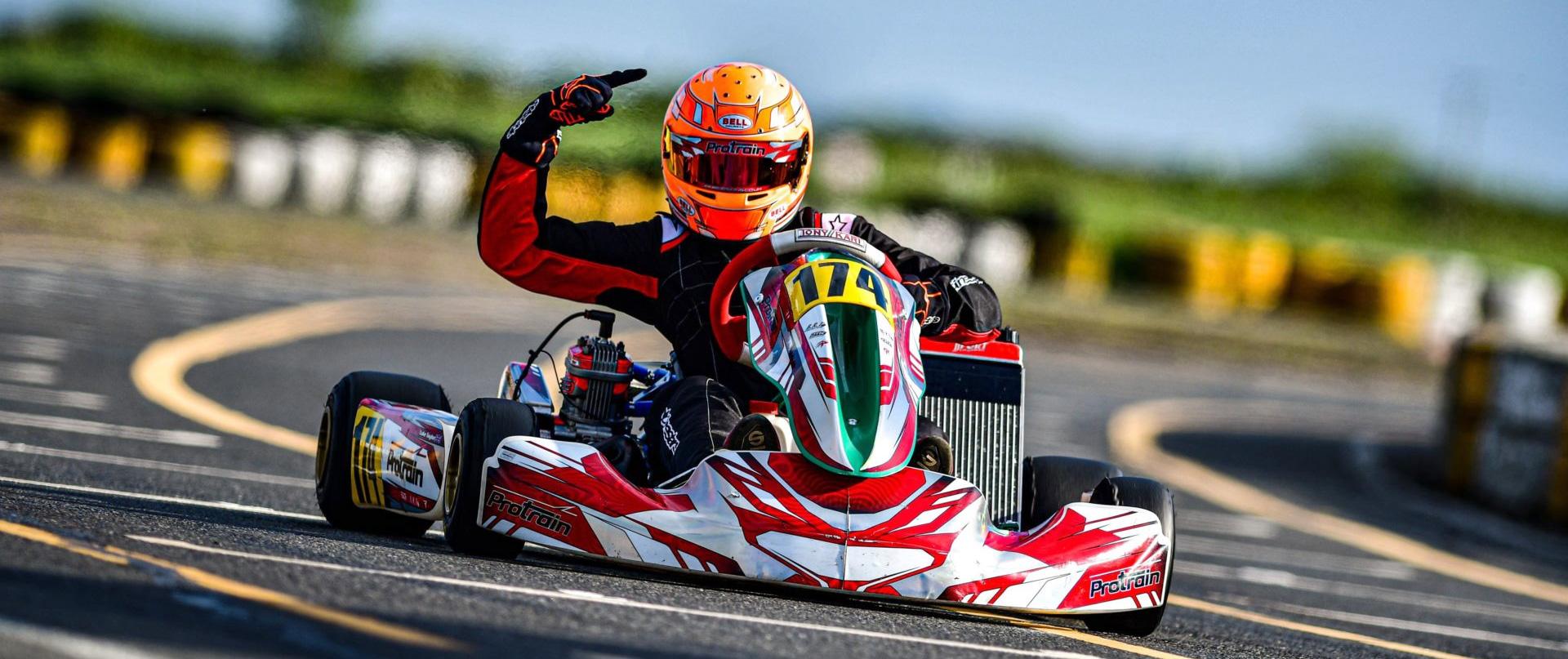
Formula 1 race suits represent far more than driver uniforms. They are engineered garments that balance protection, mobility, and visual identity at the highest level of motorsport. In the United States, interest in F1 race suits has grown rapidly among motorsports fans, sim racers, collectors, and racing-inspired fashion enthusiasts. This demand is driven by a deeper appreciation of how these suits integrate safety engineering, performance-driven construction, and distinctive design.
Understanding what makes F1 race suits unique helps explain why they have become a trusted symbol of elite motorsport culture.
Safety Engineering: Built for Extreme Conditions
Safety is the foundational purpose of any Formula 1 race suit. These garments are designed for environments where drivers face intense heat, friction, and physical stress. The structure of an F1 race suit is the result of decades of research in textile science and motorsport safety protocols.
Key safety-focused elements include:
-
Multi-layer construction designed to create thermal insulation between the driver and external heat sources
-
Advanced seam placement that minimizes pressure points and reduces the risk of tearing under stress
-
Fire-resistant textile blends engineered to maintain integrity under extreme temperatures
Rather than relying on a single protective feature, F1 race suits use a system-based approach. Each layer plays a role in slowing heat transfer while maintaining flexibility. For U.S. motorsports fans, this engineering credibility is a major reason these suits are viewed as authentic performance gear rather than novelty apparel.
Performance Fit: Designed for Precision and Control
Beyond protection, performance is the defining characteristic of professional racing suits. Formula 1 drivers operate in cockpits that demand millimeter-level precision. Any restriction in movement can affect steering, braking, or reaction time.
Performance-oriented design features include:
-
Pre-curved sleeves and legs that match the natural driving posture
-
Lightweight fabric structures that reduce overall suit mass
-
Breathable zones placed strategically to help manage body temperature
This focus on ergonomics is why F1 race suits feel different from standard racing or costume apparel. The suit moves with the driver rather than against them. For American racing enthusiasts involved in track days, karting, or simulator racing, this construction philosophy directly translates into comfort and control.
Material Innovation: Where Technology Meets Wearability
Modern F1 race suits are the result of continuous material innovation. Textile manufacturers work closely with motorsport teams to develop fabrics that meet performance demands without sacrificing durability.
Common material characteristics include:
-
High tensile strength fibers that resist abrasion
-
Moisture management properties to reduce sweat buildup
-
Soft inner linings designed for extended wear during long race sessions
These material choices also influence how the suit feels off the track. In the U.S. market, where F1 race suits are increasingly worn for events, exhibitions, and brand activations, wearability is just as important as technical credibility.
Visual Identity: Motorsport Style with Purpose
Style in Formula 1 is never accidental. Every color, logo placement, and panel design serves a functional or branding purpose. This visual precision has made F1 race suits iconic far beyond the racetrack.
Design elements typically reflect:
-
Team identity and sponsorship hierarchy
-
High-contrast color blocking for visibility under broadcast conditions
-
Clean, aggressive silhouettes that reinforce speed and professionalism
For modern motorsports fans in the USA, this aesthetic bridges the gap between racing heritage and contemporary fashion. F1 race suits are now recognized as statement pieces that represent allegiance, performance culture, and technical excellence.
Adaptation for the U.S. Market
The growing popularity of Formula 1 in the United States has reshaped how race suits are perceived and used. While professional drivers rely on certified gear, fans and collectors seek suits that preserve authentic design language while adapting to everyday use.
In the U.S. market, F1 race suits are commonly used for:
-
Motorsport events and paddock experiences
-
Sim racing and esports environments
-
Promotional appearances and car shows
-
Private collections and display purposes
This versatility explains why manufacturers now focus on balancing realism with comfort, ensuring that suits remain true to Formula 1 design standards while meeting the expectations of non-professional users.
Why Authentic Construction Matters to Fans
American motorsports audiences are increasingly knowledgeable. Buyers look beyond surface-level design and ask informed questions about construction, materials, and craftsmanship.
A well-made F1 race suit demonstrates:
-
Respect for motorsport engineering principles
-
Attention to long-term durability
-
Consistency with professional racing standards
This credibility is what separates high-quality race suits from generic replicas. For fans, owning a properly constructed suit is a way to connect with the technical discipline that defines Formula 1.
The Future of F1 Race Suits in the USA
As Formula 1 continues to expand its footprint across the United States, demand for authentic motorsport apparel will continue to grow. Race suits sit at the intersection of safety technology, performance engineering, and visual culture.
Future developments are likely to focus on:
-
Even lighter material systems
-
Improved ventilation and comfort technologies
-
Greater customization options for fans and teams
What will remain constant is the core philosophy: F1 race suits are purpose-built garments that reflect the highest standards of motorsport design.
Conclusion
F1 race suits are not simply racing outfits. They are engineered systems that combine safety, performance, and style in a way few garments can match. For modern motorsports fans in the USA, they represent authenticity, technical excellence, and a direct connection to the world’s most advanced racing series.
As appreciation for Formula 1 continues to rise, so does respect for the craftsmanship behind its most recognizable piece of equipment—the race suit.
- Managerial Effectiveness!
- Future and Predictions
- Motivatinal / Inspiring
- Fitness and Wellness
- Medical & Health
- Manufacturing
- Education
- Real-Estate
- Food Industry
- Hospitality
- Online Games
- Sports
- Home Services
- Civil Engineering
- Safety and Protection
- Software Products & Services
- Fashion and Jewellery
- Artificial Intelligence
- Entrepreneurship
- Mentoring & Guidance
- Marketing
- Networking
- HR & Recruiting
- Literature
- Shopping
- Career Management & Advancement