

 SkillClick
The Bottleneck Breaker: Optimizing Your Filling & Capping Line for Customized Mason Jars
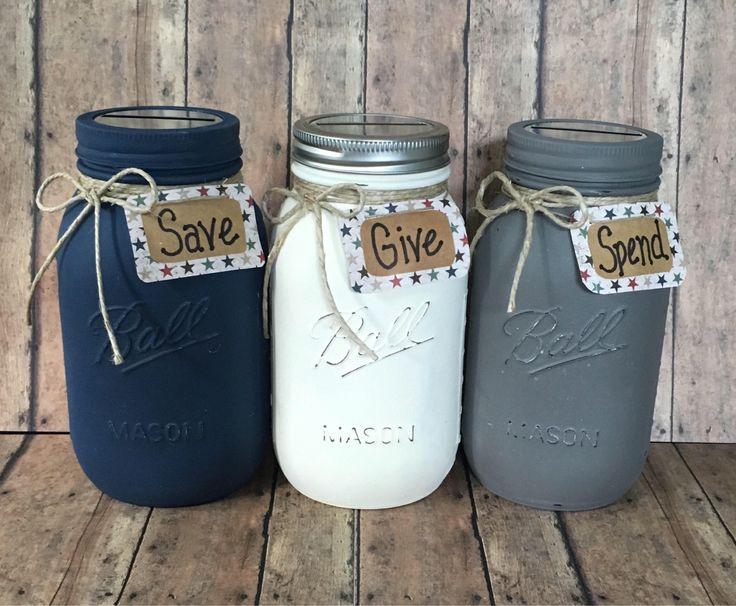
The efficiency of any production line is critical to its success. In industries where packaging is crucial, such as food, cosmetics, or pharmaceuticals, every step in the process needs to be optimized. A bottleneck in the filling and capping process can result in delays, increased costs, and reduced overall productivity. This article focuses on optimizing the filling and capping line for customized mason jars, an essential step in ensuring seamless production flow.
Understanding the Importance of Optimizing Filling and Capping Lines
In many industries, mason jars are used to package a variety of products, including jams, sauces, cosmetics, and more. Ensuring that the filling and capping process runs smoothly is crucial for maintaining product quality and meeting customer demands. Bottlenecks, or slowdowns, in these processes can cause significant delays in production timelines. Therefore, it's essential to address these bottlenecks and optimize the filling and capping line.
The filling and capping line refers to the part of the production process where containers are filled with products and sealed with caps or lids. In the case of customized mason jars, this process needs to be highly accurate to ensure the right amount of product is filled and the jar is properly sealed. If the process is inefficient or errors occur, it can lead to wasted materials, poor product quality, and delayed shipments.
Identifying Common Bottlenecks in the Filling Process
The first step in addressing any bottleneck is identifying where the problem lies. The filling process is where the product is dispensed into the mason jar. Several factors can contribute to a bottleneck in this stage, including:
- Filling speed: If the filling machine is slow or not calibrated correctly, it can delay the entire production line.
- Accuracy issues: Incorrect measurements of the product can lead to overfilling or underfilling, both of which result in wasted product and potentially unsellable jars.
- Equipment malfunctions: Mechanical issues with the filling equipment, such as clogged nozzles or leaks, can cause delays.
Addressing these issues requires a combination of technological improvements, regular maintenance, and process monitoring to ensure everything is running efficiently.
Improving Filling Speed Through Automation
One of the most effective ways to optimize the filling process is by incorporating automation. Automated filling machines can increase speed, improve accuracy, and reduce human error. There are various types of automated filling systems available, depending on the product being packaged and the requirements of the production line.
For customized mason jars, automated filling machines can be customized to handle the specific jar sizes, product types, and filling volumes. Automated systems can be programmed to adjust for different jar shapes and sizes, ensuring consistency across the production line.
By automating the filling process, companies can increase throughput, reduce labor costs, and minimize errors. Furthermore, automated systems often come equipped with monitoring and diagnostic features that can detect issues before they lead to significant delays.
Ensuring Accurate Filling for Customized Mason Jars
Accuracy in filling is critical, especially for customized mason jars where each product's size and weight must be exact. A significant bottleneck in the filling process occurs when the amount of product dispensed is not consistent across jars. This leads to rework, waste, and potential customer dissatisfaction.
To ensure accurate filling, it’s important to:
- Calibrate filling equipment regularly: Ensuring that machines are calibrated according to industry standards helps to maintain accuracy in the dispensing process.
- Use weight-based filling systems: These systems measure the weight of the product being filled into the jar and adjust as needed to ensure the correct amount is dispensed.
- Integrate sensors and cameras: Sensors can be used to monitor the filling process, providing real-time feedback and making adjustments automatically when discrepancies are detected.
- Accurate filling helps reduce waste and ensures that each mason jar is filled with the right amount of product, which is crucial for customer satisfaction.
Speeding Up the Capping Process with Advanced Technology
The capping process is another area where bottlenecks can occur. After the mason jar is filled, it must be sealed properly to ensure the product remains fresh and secure during storage and transport. Capping can be a time-consuming process if the machinery is slow or if the caps are not applied correctly.
To speed up the capping process and eliminate bottlenecks, consider the following strategies:
- Automated capping machines: These machines can apply caps quickly and consistently, significantly improving the speed of the process.
- Cap alignment systems: These systems ensure that caps are properly aligned before they are applied, preventing jams and ensuring proper sealing.
- Quality control checks: Implementing automated quality control systems to inspect the caps can catch any misapplications before the jars move down the line.
With these advancements, companies can reduce downtime and improve throughput while maintaining the quality of the capping process.
Integrating the Filling and Capping Lines for Better Flow
Optimizing the filling and capping lines independently is important, but integrating them for better overall flow is crucial. If the filling and capping processes are not well-coordinated, delays in one area can cause backups in the other.
To improve flow between these two stages, businesses can:
- Install conveyors: A well-designed conveyor system can ensure that jars move seamlessly between the filling and capping stations, reducing downtime and minimizing handling.
- Synchronize machine speeds: The filling and capping machines should operate at speeds that complement each other, ensuring that jars are filled and capped efficiently without delays.
- Implement real-time monitoring: Integrating sensors and monitoring systems into both the filling and capping lines helps track production in real-time, allowing managers to quickly address any issues that arise.
By synchronizing these two critical stages, companies can improve the overall efficiency of their production lines.
Regular Maintenance to Prevent Downtime
One of the most common causes of bottlenecks in both filling and capping processes is equipment failure. Regular maintenance is essential to keep machines running smoothly and prevent unexpected breakdowns that can halt production.
- Scheduled maintenance: Establishing a routine maintenance schedule helps ensure that equipment is checked regularly for wear and tear.
- Spare parts inventory: Having a stock of critical spare parts on hand ensures that any necessary repairs can be made quickly, minimizing downtime.
- Preventative maintenance software: Using software to monitor machine performance and schedule maintenance tasks can help detect potential issues before they cause significant problems.
A proactive maintenance approach helps reduce the risk of equipment failures, keeping the filling and capping lines running smoothly.
Training Operators for Efficiency
Even the best machinery can become inefficient if operators are not properly trained to use it. Inadequate training can lead to mistakes, slowdowns, and equipment misuse, all of which contribute to bottlenecks in the production line.
To optimize the filling and capping process, companies should invest in:
- Comprehensive training programs: Ensure that all operators are well-versed in the use of the equipment and understand the importance of maintaining a smooth flow on the production line.
- Regular refresher courses: As technology evolves, it's important to keep operators up to date with new features and techniques.
- Cross-training: Operators who are trained to handle multiple parts of the production process can step in when necessary, reducing delays and ensuring that the line keeps moving.
Well-trained operators contribute to more efficient production, reducing errors and helping to prevent bottlenecks.
Continuous Improvement and Optimization
Finally, optimizing the filling and capping line is an ongoing process. To stay competitive and meet changing customer demands, businesses must continuously evaluate and improve their processes.
- Monitor performance metrics: Tracking key performance indicators (KPIs) such as cycle time, fill accuracy, and production throughput helps identify areas for improvement.
- Test new technologies: As new technologies emerge, companies should explore how they can be incorporated into the production process to improve efficiency and reduce costs.
- Engage employees in problem-solving: Employees who work on the production line often have valuable insights into where bottlenecks occur and how they can be addressed. Encouraging their input can lead to effective solutions.
By focusing on continuous improvement, companies can ensure that their filling and capping lines remain efficient, reducing bottlenecks and boosting overall productivity.
Conclusion
In conclusion, optimizing the filling and capping line for customized mason jars requires a multifaceted approach that includes automation, accurate filling, advanced capping technology, integration, maintenance, and operator training. By implementing these strategies, companies can eliminate bottlenecks, improve efficiency, and ensure high-quality products that meet customer expectations.
Source Link: https://ibexpackaging.com/mason-jars/
- Managerial Effectiveness!
- Future and Predictions
- Motivatinal / Inspiring
- Fitness and Wellness
- Medical & Health
- Manufacturing
- Onderwijs
- Real-Estate
- Food Industry
- Hospitality
- Online Games
- Sports
- Home Services
- Civil Engineering
- Safety and Protection
- Software Products & Services
- Fashion and Jewellery
- Artificial Intelligence
- Entrepreneurship
- Mentoring & Guidance
- Marketing
- Networking
- HR & Recruiting
- Literature
- Shopping
- Career Management & Advancement