

 SkillClick
Which Professional Privacy Trees Are Right for Your Property in Alpharetta, GA?
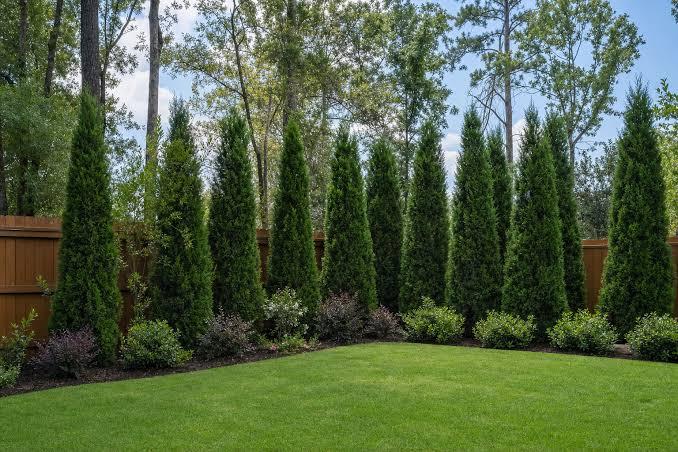
Creating a private outdoor space does not always require building a taller fence or installing an expensive outdoor enclosure. The right trees can provide natural screening, improve curb appeal, and make patios, gardens, and backyards feel more comfortable. However, choosing privacy trees requires more than selecting plants that grow quickly. Mature size, foliage density, sunlight, soil drainage, and ongoing maintenance all influence how well a living privacy screen performs.
For homeowners considering Professional privacy tree in Alpharetta, GA, the goal should be to select trees that suit the property's layout and provide practical, long-term screening. A well-planned planting design can balance privacy with attractive landscaping instead of creating an overcrowded row of trees that becomes difficult to maintain.
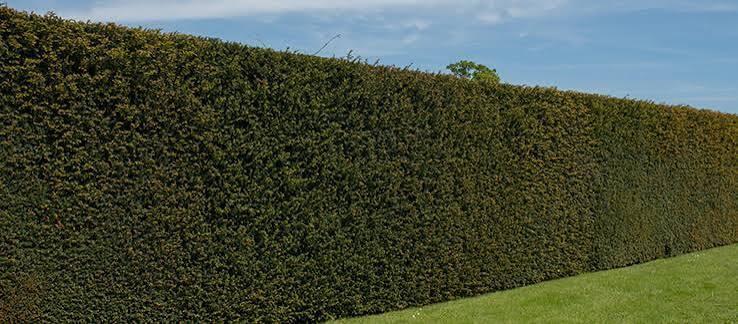
Why Are Privacy Trees a Smart Landscaping Choice?
Privacy trees create a natural barrier between outdoor living areas and nearby properties. They can screen windows, patios, swimming pools, and garden seating areas while adding greenery throughout the landscape.
Evergreen privacy trees are particularly useful when year-round coverage is important because they retain their foliage during winter. Deciduous trees may provide seasonal screening, shade, and visual interest, but their leafless branches offer less privacy during colder months.
Another advantage is design flexibility. Trees can soften fence lines, frame outdoor spaces, and create a layered landscape with shrubs and ornamental plants. When selected carefully, they can also provide habitat for birds and other wildlife.
The most suitable choice depends on what you want to conceal, how much planting space is available, and how much maintenance you are prepared to handle.
Which Privacy Trees Should Alpharetta Homeowners Consider?
Different tree varieties offer different combinations of growth habits, screening density, mature dimensions, and maintenance requirements. Consider these options before making a planting decision.
1. Green Giant Arborvitae
Green Giant arborvitae is a popular option for homeowners seeking a tall, evergreen privacy screen. Its upright, pyramidal form and dense foliage can create a green boundary around larger yards and outdoor living spaces.
It may be suitable for screening neighboring views or creating a backdrop for a patio. However, its eventual height and width require careful planning. It is not automatically the right choice for a narrow side yard or a location close to overhead utilities.
Before planting, evaluate available sunlight, soil drainage, and the space needed for mature growth.
2. Leyland Cypress
Leyland cypress is known for relatively rapid growth and dense evergreen foliage. It can create substantial visual screening along long property boundaries where sufficient room is available.
Its fast growth can be appealing when homeowners want privacy sooner rather than later. However, rapid growth also means the trees may outgrow poorly planned spaces. Air circulation, suitable spacing, and monitoring for plant health problems are important considerations.
Rather than planting a continuous row without evaluating the site, consider whether a mixed evergreen screen would provide a better balance of appearance and resilience.
3. Nellie Stevens Holly
Nellie Stevens holly is an evergreen option with glossy leaves and a dense, upright growth habit. It can work well in residential landscapes where year-round screening and a more formal appearance are desired.
Its foliage adds structure to the garden, while female plants can produce red berries when suitable pollination conditions are met. This makes it an attractive option for homeowners who want privacy planting that also contributes seasonal interest.
Allow sufficient room for mature growth, and avoid positioning trees where their eventual size will obstruct paths or crowd nearby plants.
4. American Holly
American holly is another evergreen tree worth considering for a natural privacy screen. Its dense foliage and distinctive leaves can complement traditional and naturalistic landscapes.
Compared with some faster-growing screening trees, it generally takes longer to develop substantial coverage. Nevertheless, it may be appropriate for homeowners who value a longer-term landscape feature rather than choosing exclusively for rapid growth.
Its mature size, sunlight exposure, and soil conditions should guide placement.
How Do You Choose the Right Privacy Tree for Your Yard?
The most successful privacy planting starts with a clear understanding of the property. Before purchasing trees, consider the following factors.
Identify the View You Want to Block
Walk around your yard and identify the specific sightlines that affect your privacy. You might want to screen a neighboring window, reduce views into a seating area, or create a green boundary beside a fence.
A tall tree may not be necessary if the unwanted view comes from a low window or a nearby patio. In some cases, combining medium-height trees with shrubs can provide more effective screening at different levels.
Measure the Available Planting Space
One common landscaping mistake is choosing trees based on their nursery size rather than their mature dimensions. A small tree may eventually grow several feet wider and taller than the space can comfortably accommodate.
Measure the planting bed and consider nearby structures, property boundaries, driveways, utility lines, and underground services. Appropriate spacing allows trees to develop without excessive competition or repeated corrective pruning.
Evaluate Sunlight and Drainage
Alpharetta's warm summers and seasonal rainfall make site assessment important. Some evergreen species tolerate a range of conditions, while others perform poorly in persistently wet soil or unsuitable light.
Heavy or compacted soil can also affect root development. Before installation, determine whether the planting area drains adequately and whether grading or other site preparation is needed.
University of Georgia Cooperative Extension's Landscape Plants for Georgia is a useful resource for comparing plant characteristics and regional suitability.
Why Does Professional Privacy Tree Installation Matter?
Choosing an appropriate tree is only part of the process. Correct installation helps establish healthy roots and reduces the risk of avoidable problems. Homeowners seeking professional privacy tree installation in Alpharetta, GA can benefit from expert guidance on selecting suitable tree varieties, planning proper spacing, and creating an effective natural privacy screen.
A professional planting plan should account for mature tree dimensions, spacing, root-ball depth, drainage, and the condition of the existing soil. Trees should be planted at an appropriate depth, with the root flare positioned correctly, and watered thoroughly after installation.
Mulch can help conserve soil moisture and moderate soil temperature. However, it should not be piled against tree trunks because excessive moisture around the trunk can contribute to problems.
During the establishment period, consistent watering is particularly important. Newly planted trees may need supplemental water during dry weather, even when established trees in the same landscape require less frequent irrigation.
Professional guidance is especially valuable for larger trees, sloped yards, drainage concerns, and planting locations near structures or utilities. Proper installation and ongoing care can help Alpharetta homeowners develop a healthy, attractive privacy screen that enhances their outdoor space for years to come.
Can a Mixed Privacy Screen Work Better Than a Single Row?
A mixed privacy screen combines trees and shrubs with different heights, shapes, and foliage characteristics. Instead of creating one uniform line, it can produce a more natural landscape.
For example, taller evergreen trees can provide upper-level screening, while hollies or other suitable shrubs fill lower gaps. Ornamental grasses may add texture in front of the planting bed where space permits.
This layered approach can help address several sightlines while introducing visual interest. It may also reduce reliance on a single tree species, although every plant still needs appropriate growing conditions.
The main consideration is available space. A layered design typically requires a wider planting area than a single row of trees.
How Can You Maintain Privacy Trees Over Time?
Regular care helps privacy trees remain attractive and functional as they mature.
· Water consistently: Monitor soil moisture, especially during the establishment period and dry weather.
· Apply mulch correctly: Maintain a suitable mulch layer while keeping it away from trunks.
· Prune selectively: Remove dead or damaged branches and follow species-appropriate pruning practices.
· Monitor tree health: Watch for discoloration, thinning foliage, unusual spots, or declining branches.
· Maintain suitable spacing: Avoid unnecessary crowding that restricts airflow and increases competition.
· Inspect drainage: Address standing water or erosion that could affect root health.
Before selecting a tree, also consider maintenance costs over its expected lifespan. A fast-growing variety may provide quicker screening but require more frequent management if planted in a restricted area.
What Should You Ask Before Hiring a Privacy Tree Professional?
When comparing landscaping providers, request recommendations based on your actual site rather than a generic list of popular trees.
Ask which species are suitable for the available sunlight and soil conditions, how much space each tree needs at maturity, and how the installation will address drainage. Request a written estimate that identifies the tree varieties, approximate sizes, quantities, planting locations, and establishment-care expectations.
If the design involves major grading, work near utility lines, or changes to existing drainage, clarify how those issues will be assessed before installation.
A well-documented plan makes it easier to compare proposals based on plant suitability and installation quality rather than price alone.
Frequently Asked Questions
1. What are the best privacy trees for Alpharetta, GA?
Green Giant arborvitae, Leyland cypress, Nellie Stevens holly, and American holly are options worth evaluating. The best selection depends on mature size, soil drainage, sunlight, available space, and desired screening.
2. Which evergreen trees provide year-round privacy?
Evergreen trees such as arborvitae, Leyland cypress, and suitable holly varieties retain foliage throughout the year. Their screening performance depends on their growth habit, planting location, and overall health.
3. How far apart should privacy trees be planted?
Spacing depends on the species, mature width, desired coverage, and planting design. Follow species-specific recommendations instead of planting trees too close together for immediate coverage.
4. When should privacy trees be planted in Alpharetta?
Fall and spring are often suitable planting periods because temperatures may be more moderate. The appropriate timing also depends on the tree species, root-ball type, soil moisture, and local weather conditions.
5. How long does it take privacy trees to create a screen?
The timeline varies with species, initial tree size, growing conditions, and spacing. Larger installed trees may provide more immediate visual screening, while smaller trees generally need additional time to fill in.
6. Are privacy trees better than fences?
Trees offer natural greenery and can complement existing fencing, but they require growing space and ongoing care. Fences provide more immediate and predictable screening. Some properties benefit from combining both.
7. Do privacy trees require professional maintenance?
Not every tree needs ongoing professional care. However, expert assistance may be helpful for large trees, structural pruning, disease concerns, and screening plants that are difficult to maintain safely.
Conclusion
Privacy trees can make outdoor spaces feel more secluded while improving landscape structure and curb appeal. The most effective planting plan considers mature tree size, evergreen coverage, soil conditions, drainage, and maintenance requirements before installation begins.
For homeowners researching Professional privacy tree in Alpharetta, GA, comparing species and planning the planting layout carefully can help avoid overcrowding and unsuitable tree selections. A site-specific approach creates a more practical path toward a healthy, attractive privacy screen that complements the property over time.
Article Written By: Rank Business Listings
- Managerial Effectiveness!
- Future and Predictions
- Motivatinal / Inspiring
- Fitness and Wellness
- Medical & Health
- Manufacturing
- Education
- Real-Estate
- Food Industry
- Hospitality
- Online Games
- Sports
- Home Services
- Civil Engineering
- Safety and Protection
- Software Products & Services
- Fashion and Jewellery
- Artificial Intelligence
- Entrepreneurship
- Mentoring & Guidance
- Marketing
- Networking
- HR & Recruiting
- Literature
- Shopping
- Career Management & Advancement