

 SkillClick
What Should Las Vegas Property Owners Know About High-Solids Silicone Roof Coating?
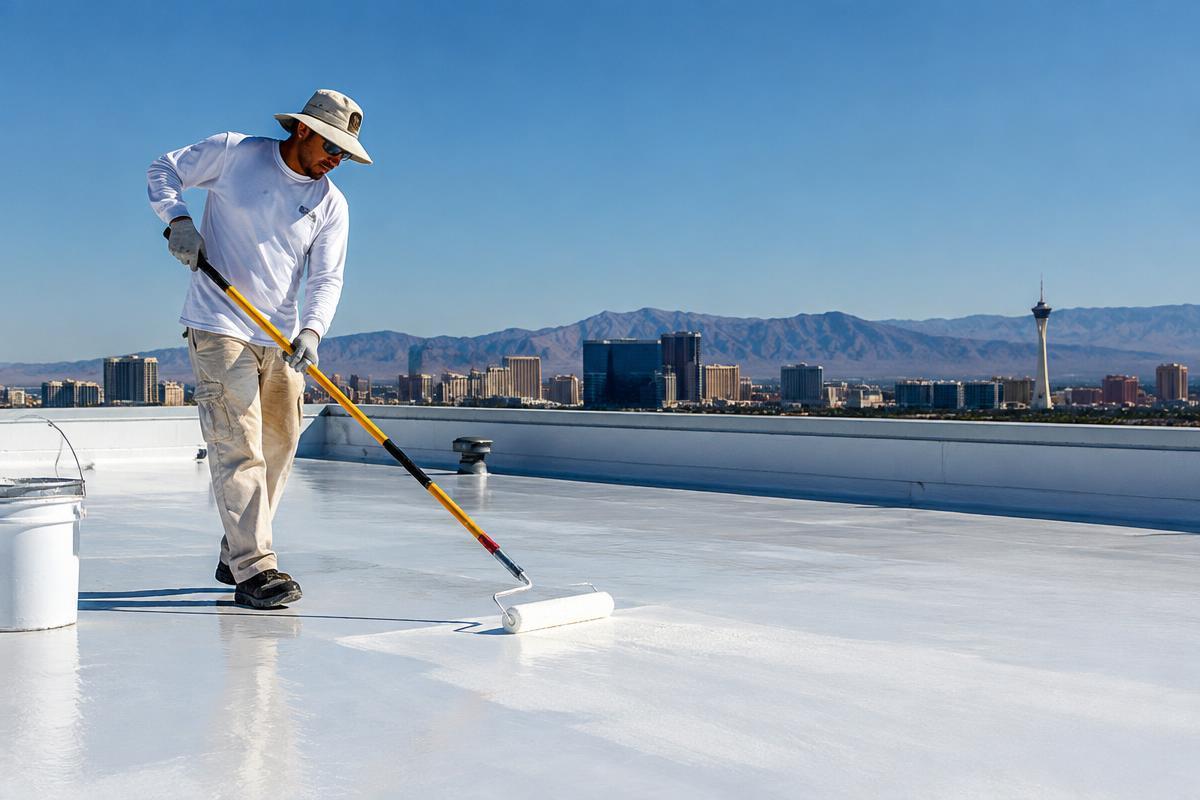
A commercial or residential roof must withstand changing temperatures, intense sunlight, and occasional heavy rain without compromising the building beneath it. In Las Vegas, Nevada, prolonged sun exposure and desert heat can make roof maintenance particularly important. Property owners need to understand how roofing materials respond to these conditions and which maintenance options may help protect an existing roof.
High-solids silicone roof coating is one option worth evaluating when a roof remains structurally sound but needs additional weather protection. This type of coating creates a continuous, water-resistant surface and can help reduce the effects of prolonged moisture exposure. Its suitability depends on the existing roofing material, surface condition, drainage, and installation requirements.
Understanding how silicone coatings work, where they are most useful, and what to evaluate before installation can help property owners make informed decisions about their roofing investments.
What Is High-Solids Silicone Roof Coating?
High-solids silicone roof coating is a liquid-applied roofing material formulated with a high proportion of solid components relative to its volatile content. Once applied and properly cured, it forms a flexible, protective membrane over a compatible roof surface.
The coating is designed to resist water exposure and maintain flexibility as temperatures change. Unlike a complete roof replacement, a coating application generally works with the existing roofing assembly rather than removing and rebuilding the entire system.
However, a coating is not a universal solution for every roofing problem. Its performance depends on the condition of the roof underneath it, proper preparation, product compatibility, and application according to the manufacturer's specifications.
How Does the Coating Protect a Roof?
After application and curing, silicone coating creates a continuous surface that helps limit water penetration through the coated areas. Its water resistance can be particularly valuable on roofs that experience standing moisture, provided the system is appropriate for those conditions and existing drainage problems are addressed.
Many silicone coatings also offer resistance to ultraviolet radiation. This characteristic can help the coated surface withstand prolonged sunlight exposure without the same degradation experienced by some less UV-resistant roofing materials.
The coating's flexibility allows it to accommodate certain normal movements in the roofing assembly. Nevertheless, it should not be expected to repair major structural damage, eliminate active movement problems, or replace properly installed flashing and drainage components.
Why Does This Roofing Option Matter in Las Vegas?
Las Vegas presents several environmental challenges for roofing systems. Extended periods of sunshine, high summer temperatures, and significant daily temperature changes can place ongoing stress on exposed roof surfaces.
Over time, weather exposure may contribute to aging, surface deterioration, and weakening of certain roofing materials. The actual effects vary according to the roof's construction, age, maintenance history, and exposure.
A properly selected silicone coating may provide an additional protective layer for an eligible roof. Its value comes from matching the coating system to the building's actual needs rather than assuming every roof in a desert climate requires the same treatment.
Resistance to Intense Sunlight
Ultraviolet radiation can gradually affect roofing materials, particularly when their protective surfaces deteriorate. Silicone coatings are generally valued for their UV resistance, which can make them useful for exposed roofing applications.
Reflective properties also matter when evaluating a product. Some coating formulations can reflect a portion of the sunlight reaching the roof, potentially reducing the amount of solar heat absorbed by the surface. Actual performance depends on the product's reflectance, roof construction, insulation, and other building characteristics.
Property owners should review product documentation rather than assume every silicone coating delivers identical energy-saving benefits.
Protection Against Water Exposure
Although Las Vegas receives relatively little annual precipitation compared with many other regions, roofs must still handle rainstorms and changing weather conditions. Poor drainage, deteriorated seams, and vulnerable roof penetrations can create opportunities for water intrusion.
Silicone coatings can help protect suitable roof surfaces against moisture exposure. Their effectiveness, however, depends on a complete roofing system that includes functional drains, secure flashing, properly treated penetrations, and an appropriately prepared substrate.
A professional assessment should identify these details before any coating is applied.
Which Roofs May Benefit From Silicone Coating?
High-solids silicone coating may be appropriate for several types of low-slope and flat roofing systems. The best candidate is generally a roof that remains structurally sound but would benefit from a compatible protective coating.
Commercial Flat Roofs
Commercial buildings frequently use low-slope roofs that require careful attention to seams, penetrations, and drainage. Warehouses, offices, and retail properties may have extensive roof areas exposed to sunlight throughout the day.
For a suitable commercial roof, silicone coating may offer a way to extend the useful service life of the existing roofing system without immediately undertaking a complete replacement. The decision should account for the roof's age, moisture conditions, existing membrane, and any previous repairs.
Existing Roofing Membranes
Certain existing membrane systems may be candidates for silicone coating when the coating manufacturer confirms compatibility. The roof must be inspected for damaged seams, trapped moisture, loose materials, and other conditions that could interfere with adhesion or performance.
Not every membrane can be coated successfully using the same preparation method. Some surfaces require specialized primers, while others may not be appropriate candidates at all.
Metal and Other Compatible Roof Surfaces
Metal roofs can develop problems around fasteners, seams, joints, and flashing as materials age and weather exposure continues. A compatible coating system may help protect suitable metal surfaces when preparation and detailing are performed correctly.
Other roofing substrates may also be eligible, but compatibility must be verified for each application. Applying a coating without confirming the substrate's condition can lead to adhesion problems and disappointing results.
How Can Property Owners Evaluate a Roofing Contractor?
Selecting the right contractor is an important part of any roof coating project. Even a quality coating product may perform poorly when the underlying roof has unresolved defects or the application process does not follow the manufacturer's requirements.
Property owners comparing roofing professionals should evaluate their inspection process, preparation methods, product knowledge, and approach to documenting the work.
For those researching Specialized High-Solids Silicone Roof Coating in Las Vegas, NV, the practical starting point is to determine whether the existing roof is suitable for restoration and what preparation the proposed system requires. A clear assessment should distinguish between conditions that can be addressed through coating and defects that require separate repairs.
Questions Worth Asking Before Work Begins
Before approving a project, consider asking the contractor:
-
What is the existing roof made of, and is the proposed coating compatible with it?
-
Has the roof been inspected for trapped moisture, deteriorated materials, and drainage issues?
-
What cleaning, surface preparation, and primer application will be necessary?
-
How will seams, penetrations, flashing, and other vulnerable areas be treated?
-
What coating thickness and application method does the manufacturer specify?
-
What maintenance will the roof require after installation?
-
Which product documentation and applicable warranty terms will be provided?
The answers should explain the proposed work in understandable terms. Property owners should also request a written scope of work that identifies the preparation, repairs, coating system, and relevant exclusions.
A detailed proposal makes it easier to compare contractors on the quality and completeness of their plans rather than on price alone.
What Happens During a Roof Coating Project?
A successful coating project involves more than applying material to the roof. Each stage helps establish the conditions needed for the finished system to perform as intended.
Inspection and Surface Preparation
The contractor first evaluates the roof's overall condition, including visible damage, existing coatings, seams, penetrations, drainage, and signs of moisture intrusion. If the roof contains saturated insulation or significant structural deterioration, coating alone may not be an appropriate solution.
The surface must then be prepared according to the selected product's instructions. This may include removing dirt, debris, loose material, and contaminants that could interfere with adhesion.
Repairs should be completed before the coating is applied. Depending on the roof, this may involve addressing seams, flashing, fasteners, or other vulnerable areas.
Application and Curing
Once the roof is ready, the contractor applies the coating at the specified coverage rate and thickness. Certain areas may require additional detailing or reinforcement, depending on the roof design and manufacturer requirements.
Weather conditions also influence application. Surface temperature, ambient temperature, humidity, and the possibility of rain can affect the installation process and curing time. Las Vegas heat should not be treated as an automatic advantage because excessively hot surfaces may create application challenges for particular products.
The contractor should follow the manufacturer's stated environmental limits and curing instructions.
Final Inspection
After application, the completed roof should be reviewed for coverage, detailing, and visible deficiencies. The contractor should explain any remaining maintenance needs and provide relevant product information.
Property owners should retain project records, including the product specifications, scope of work, and applicable warranty documents. These records can help guide future inspections and maintenance.
Is Silicone Roof Coating Better Than Roof Replacement?
Coating and replacement serve different purposes, so neither option is automatically better in every situation.
A coating may be worth considering when the existing roof is structurally sound, compatible with the product, and free of underlying problems that require extensive reconstruction. In these circumstances, restoration may reduce the disruption associated with removing an entire roofing system.
Replacement may be necessary when the roof has widespread deterioration, significant trapped moisture, extensive insulation damage, or structural problems. Covering these issues with a new surface does not resolve their underlying causes.
The most useful comparison considers the roof's current condition, expected remaining service life, repair requirements, installation costs, and long-term maintenance needs. Property owners should evaluate the complete scope of work instead of choosing a coating simply because it appears less expensive initially.
How Should a Coated Roof Be Maintained?
Roof coating is not a substitute for ongoing maintenance. Periodic inspections help property owners identify developing issues before they lead to more extensive damage.
A practical maintenance approach includes checking drains and scuppers for obstructions, looking for visible damage, examining flashing and penetrations, and monitoring areas that have previously experienced leaks. Inspections after significant storms can also help identify problems that may require attention.
Any roof access should follow appropriate safety procedures. Property owners should avoid walking on roofing surfaces unless access is safe and permitted by the roofing system's requirements.
Cleaning and repairs should follow the coating manufacturer's recommendations. Incompatible cleaning products, unsuitable repair materials, or careless maintenance work can compromise the protective surface.
It is also important to understand that silicone coatings can accumulate dirt and experience physical wear. Their condition should be evaluated periodically rather than assuming the original application will remain effective indefinitely.
What Should Las Vegas Property Owners Consider Before Deciding?
Choosing a roofing solution starts with understanding the actual problem. A roof showing surface aging may be a candidate for restoration, while a roof with persistent leaks or extensive deterioration may require more substantial work.
High-solids silicone roof coating offers useful characteristics, including moisture resistance and UV durability, when the product is appropriate for the roofing system and correctly installed. Its effectiveness depends on careful assessment, preparation, application, and continuing maintenance.
For Las Vegas property owners, the sensible approach is to obtain a professional roof inspection, ask for a clearly documented proposal, and compare restoration with replacement based on the roof's condition. Making a decision from reliable information can help protect the building and support more responsible long-term maintenance planning.
Ultimately, the goal is not simply to add another layer to the roof. It is to select a suitable solution that addresses existing conditions, respects the roofing system's limitations, and provides a practical path toward maintaining the property.
- Managerial Effectiveness!
- Future and Predictions
- Motivatinal / Inspiring
- Fitness and Wellness
- Medical & Health
- Manufacturing
- Education
- Real-Estate
- Food Industry
- Hospitality
- Online Games
- Sports
- Home Services
- Civil Engineering
- Safety and Protection
- Software Products & Services
- Fashion and Jewellery
- Artificial Intelligence
- Entrepreneurship
- Mentoring & Guidance
- Marketing
- Networking
- HR & Recruiting
- Literature
- Shopping
- Career Management & Advancement